
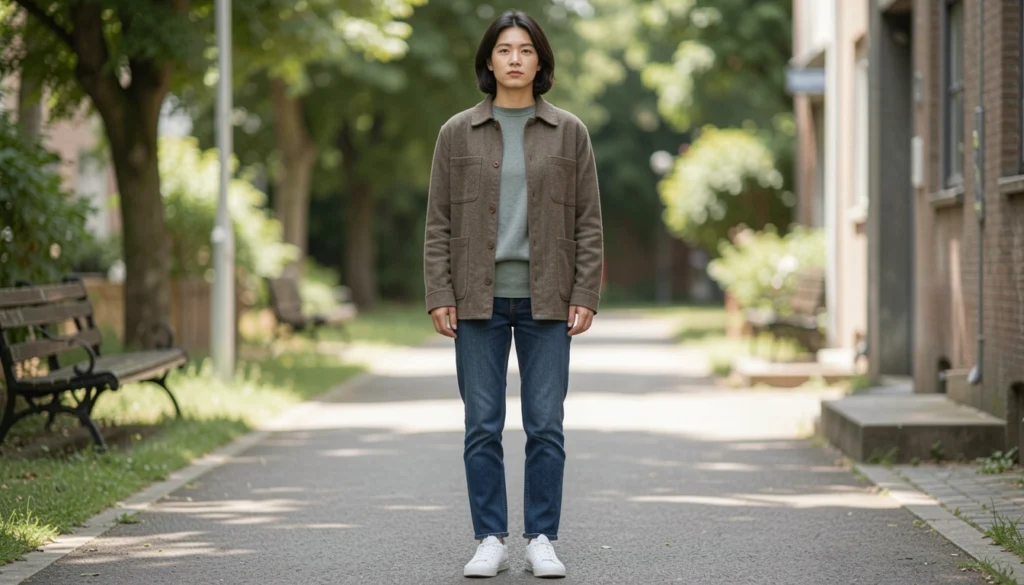
I stand in front of my closet and panic: trousers look fine but the outfit feels blah.
I’ve been there—awkward hems, unbalanced tops, a missing anchor.
I learned small adjustments change everything. This guide shows how I fix trousers for work so they look intentional and easy.
No gimmicks, just practical choices.
How To Style Trousers For The Office In Fresh And Modern Ways
I’ll show simple, repeatable ways to make office trousers feel modern and deliberate. You’ll get balanced proportions, cleaner lines, and outfits that actually sit right on your body — without extra shopping or fuss.
What This Solves
I’m tired of trousers that read sloppy or overly formal. This method makes trousers feel current, comfortable, and office-appropriate.
You won’t need a full wardrobe overhaul. Just a few placement and proportion decisions that change how the whole outfit reads.
You’ll end the “something’s missing” hesitation and leave the house with confidence.
What You’ll Need
- Tailored wool trousers — slim or straight-leg, neutral color
- Slim tailored blazer — structured, classic fit
- Fitted knit top — lightweight crew or thin turtleneck
- Leather belt — medium-width, simple buckle
- Sleek leather loafers — low heel, polished finish
- Ankle boots — leather, block heel, ankle height
- Lightweight trench coat — classic beige, knee length
- Minimal gold hoop earrings — small to medium size
Step 1: Get the length right so the trouser reads intentional
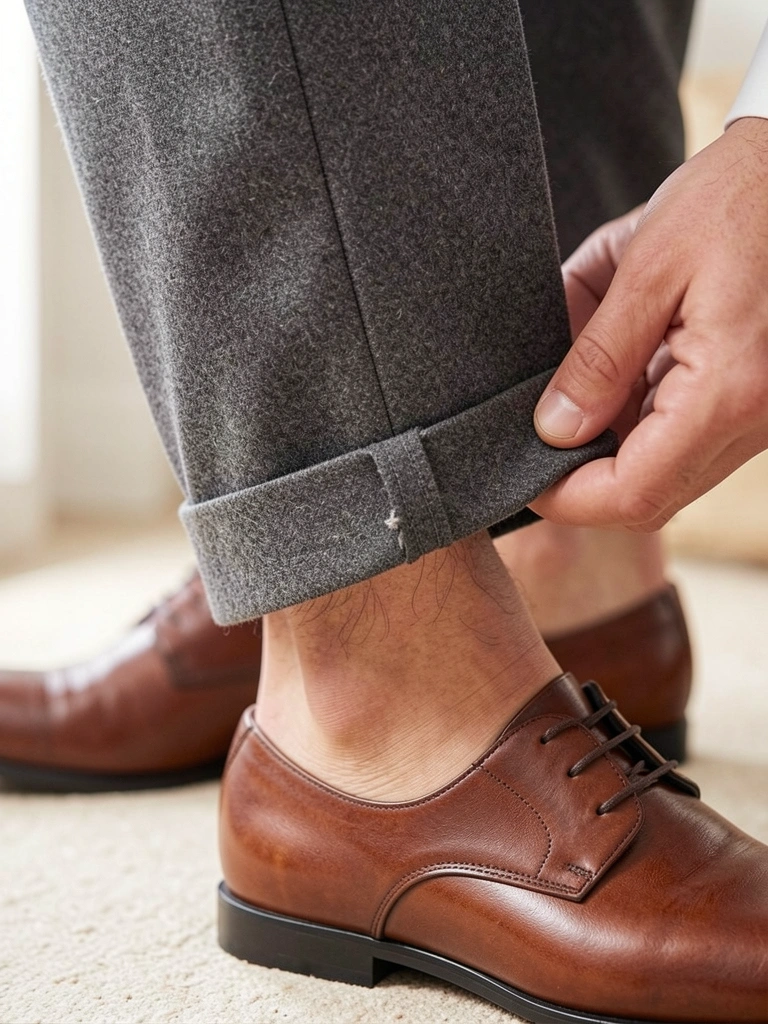
I start by checking the hem against the shoe. If trousers are cropped, I want a clear ankle break; if they’re full length, a slight break over the shoe is fine. This changes the outfit’s rhythm and how long my legs look.
Most people miss how a tiny ankle gap adds polish. It creates a deliberate edge between shoe and pant.
Avoid letting fabric puddle at the ankle. Too-long trousers read unstructured. Either hem, cuff, or choose a different shoe to balance the length.
Step 2: Tuck strategically to define your waist and line
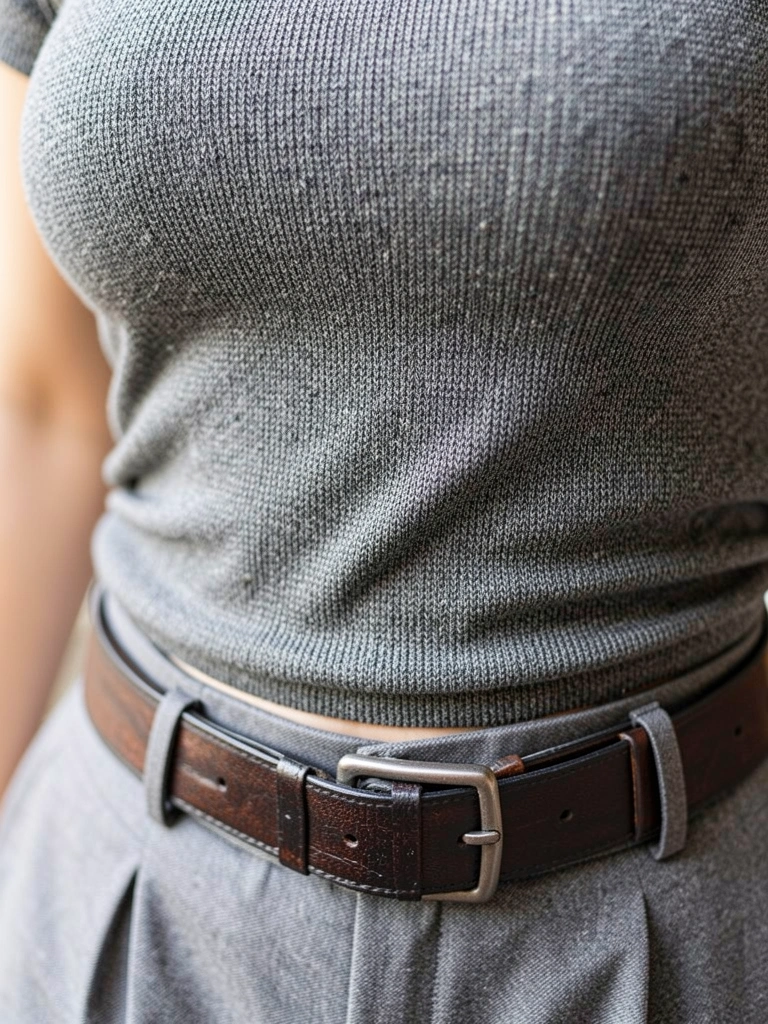
I use a light front-tuck or a half-tuck to signal where my waist is without bulk. The tuck gives a vertical line and keeps proportions tidy when wearing a blazer. Visually, it shortens the torso and lengthens the leg—simple but effective.
People often either over-tuck or leave everything out; both can look lazy. The right tuck looks casual and intentional, not fussy.
Don’t tuck heavy fabric; it creates lumps. Save tucks for thinner knits or shirts that slide easily into the waistband.
Step 3: Choose the right jacket length to balance proportions
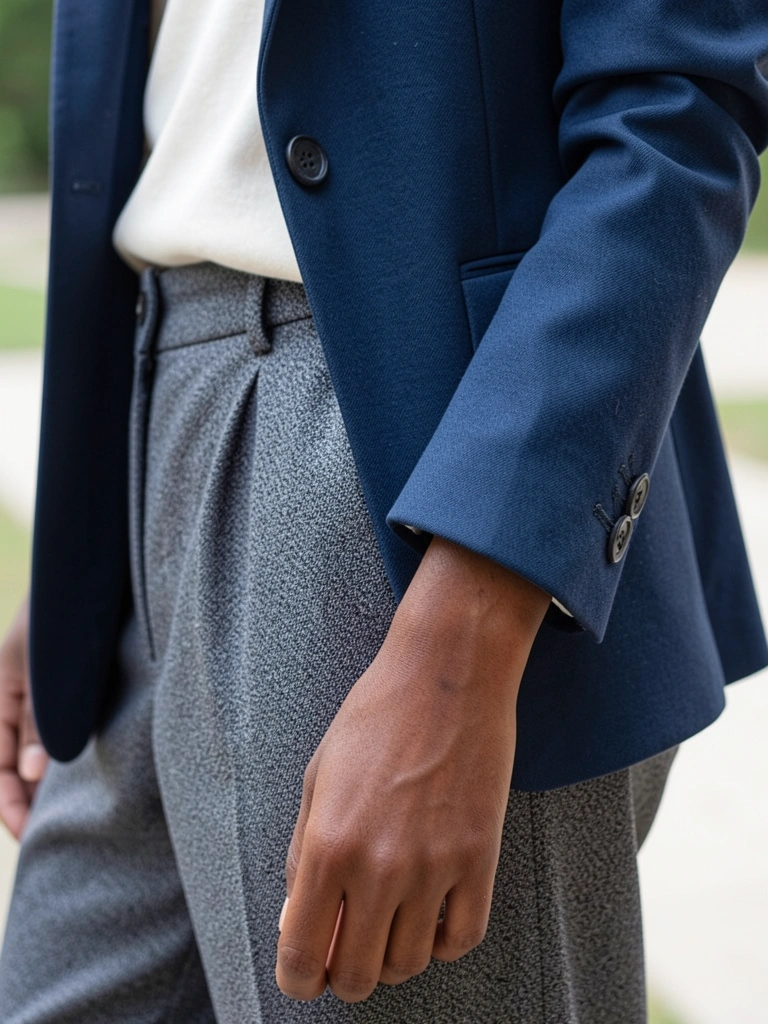
I pick a blazer length that complements the trouser rise. For high-waist trousers I like a cropped blazer or one that hits at or above the hip. For lower rises, a longer blazer smooths the line. The jacket changes the outfit’s scale and posture instantly.
Most people default to whatever blazer they own, but sleeve and hem length make or break the silhouette.
Avoid a blazer that’s too boxy for slim trousers—it can swallow your shape. If it’s oversized, add structure with a belt or a sleeker layer underneath.
Step 4: Anchor with shoes and a belt that match the outfit’s weight
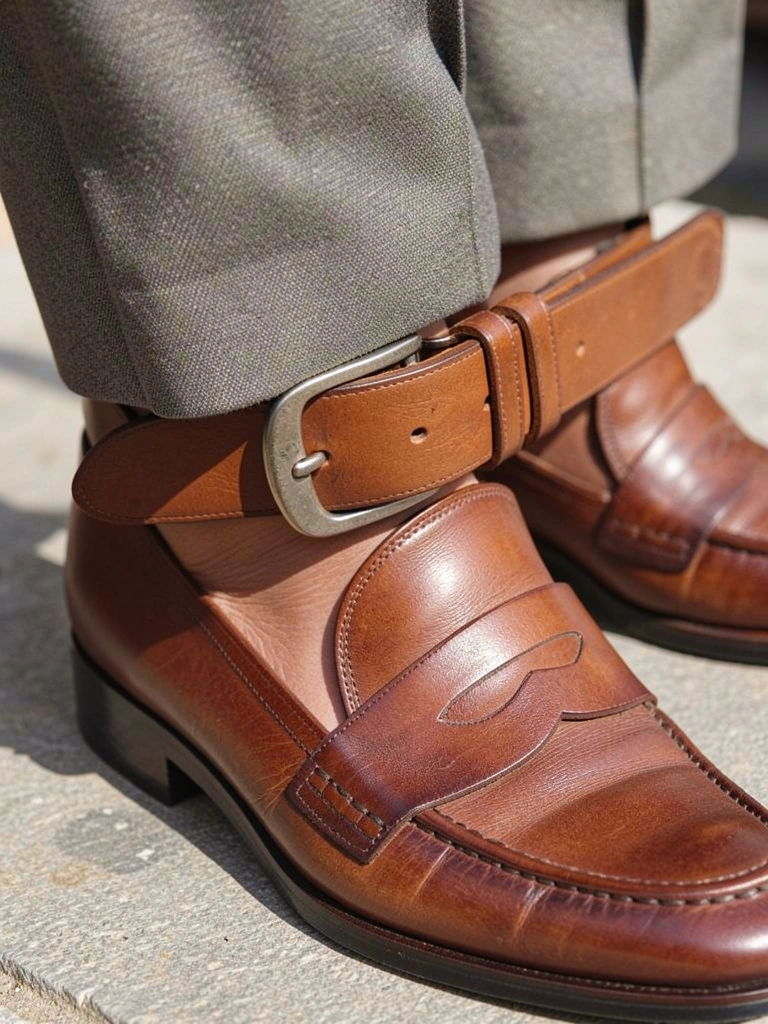
I pick shoes that match the trouser width: slim trousers call for sleeker shoes; wide trousers pair well with chunkier soles or low heels. A belt ties the look together and gives a defined center. This anchors the eye and keeps the outfit feeling cohesive.
A subtle insight: shoe color can shorten or lengthen your leg visually—match shoes to trousers for a longer line.
One mistake is mixing highly casual shoes with tailored trousers without balancing the top. If you wear sneakers, soften the look with a polished blazer.
Step 5: Finish with texture and small details that read professional
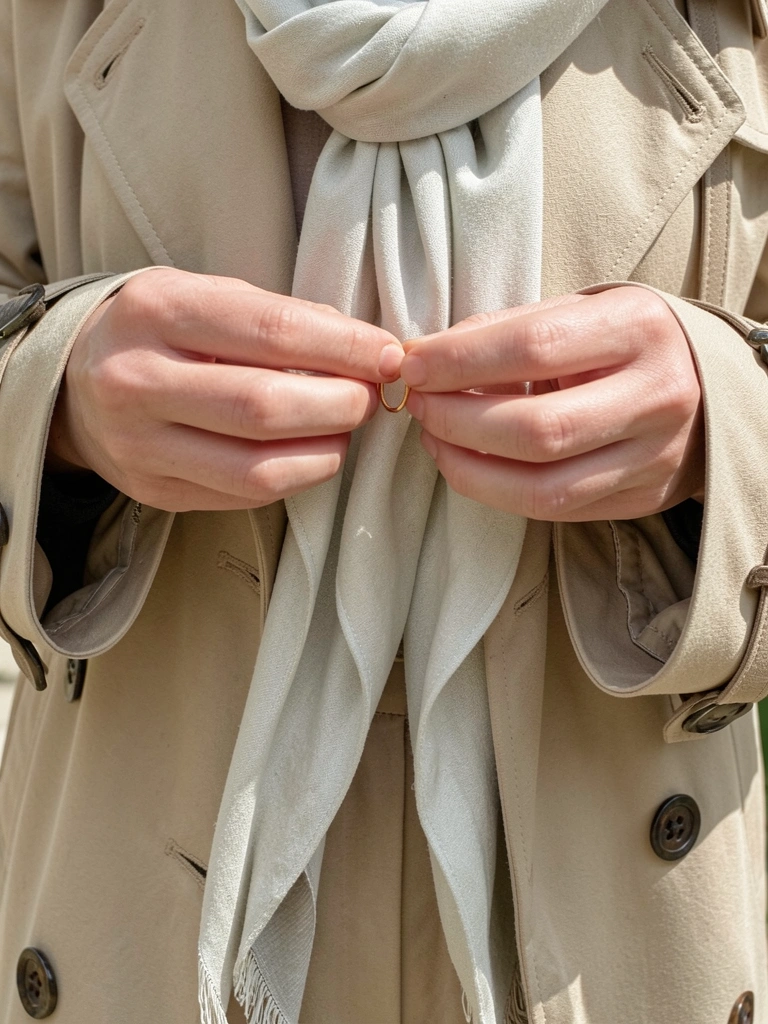
I add one or two small details: a silk scarf, a minimal earring, or a textured knit. These elements give the outfit depth and keep it from feeling flat on camera or in a meeting. Texture signals care without complicating the outfit.
People often pile on accessories thinking more equals interest. Instead, I pick one focal detail and keep the rest simple.
Avoid heavy statement jewelry with high-neck fitted tops; it competes with the neckline and can feel overdone.
Quick Outfit Templates
I use a handful of templates to get dressed fast. They’re repeatable and reliable.
- Slim trousers + fitted knit + cropped blazer + loafers + small hoop. Clean and modern.
- Wide-leg trousers + tucked blouse + longer blazer + ankle boots + belt. Comfortable and polished.
Rotate the textures and your shoes, and the outfits feel new without much thought.
Troubleshooting Fit Issues
If trousers feel too wide at the waist, a slim belt plus a tuck usually fixes the silhouette. If they gape at the back, try a different rise or a light tailoring adjustment.
If proportions feel off, step back and look at three zones: shoulders, waist, hem. Adjust one zone at a time rather than everything at once. Small moves create big visual changes.
Final Thoughts
Start with one change: length, tuck, or shoe. See how it affects the whole outfit.
I keep the edits small and repeat what works. That’s how I stop outfits feeling unfinished.
Trust the proportions, not trends. Comfortable, deliberate choices win every morning.