
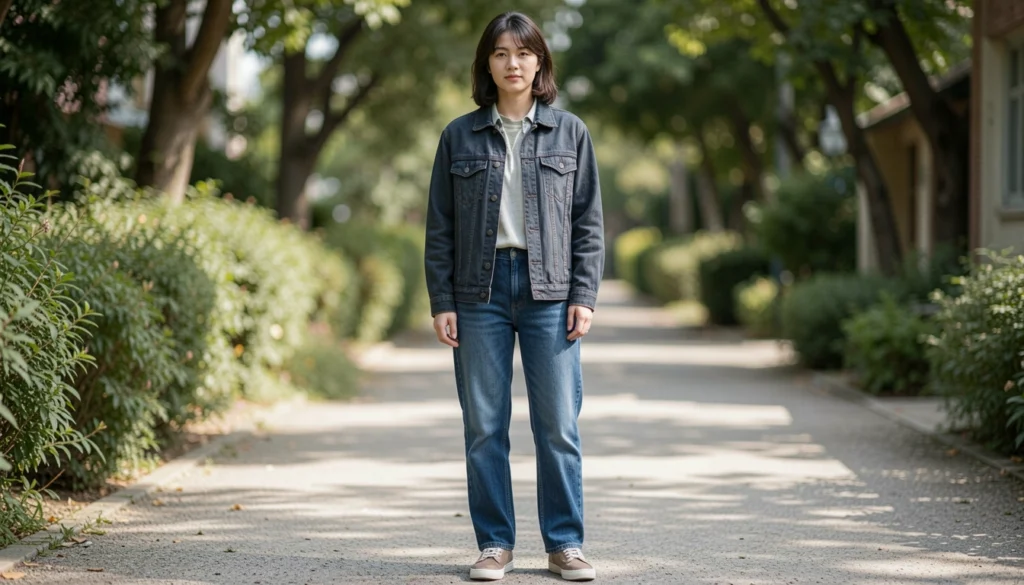
I stand in front of my closet and feel stuck. I like the pieces, but the outfit reads sloppy or incomplete. I used to assume I needed something expensive to fix it.
Now I tweak fit, proportions, and a few low-cost finds. Small edits make outfits look intentional. I’ll show the approach I use when I want an aesthetic look on a budget.
How To Dress Aesthetic On A Budget With Thrifted And Affordable Picks
You’ll learn to combine thrifted pieces and cheap basics into looks that read cohesive and considered. This method focuses on fit and proportion so outfits feel balanced, not busy. The end result is wearable, calm, and clearly intentional without a big spend.
What You’ll Need
- Fitted basic cotton tee (white or black)
- High-waist straight jeans (rigid denim, medium wash)
- Oversized denim jacket (reworked fit, light wash)
- Boxy neutral blazer (linen blend, beige)
- Chunky knit sweater (neutral tone)
- Slim leather belt (brown or black)
- Minimal platform sneakers (white canvas)
- Layered necklace set (gold-tone)
Step 1: Build a clean foundation with well-fitting basics
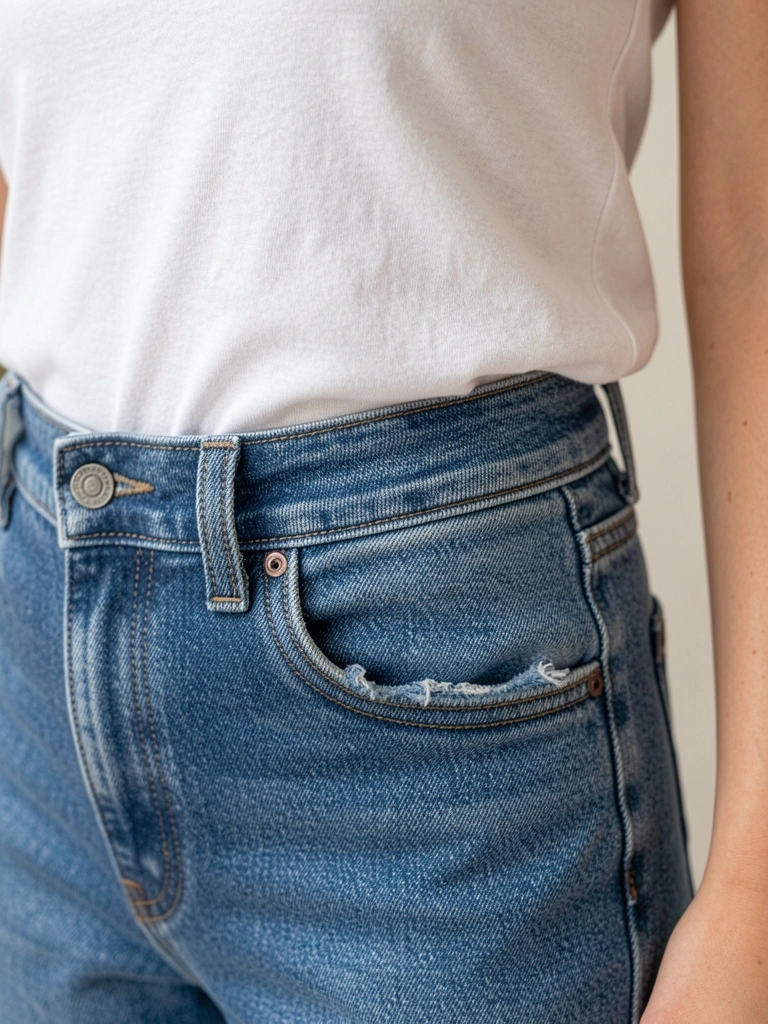
I start with fit, not labels. I choose a tee that follows my shoulders and a high-waist jean that sits at my natural waist. This simple base gives a straight, clean line.
Visually, the tuck or slight front-tuck lengthens my legs. People often miss how much shoulder fit changes the whole look. Avoid buying a tee that's skin-tight or droopy—either extreme flattens the silhouette.
Small adjustments—tucking more on one side, blousing a bit—make it feel intentional, not like you tried too hard.
Step 2: Add a thrifted outer layer to create shape
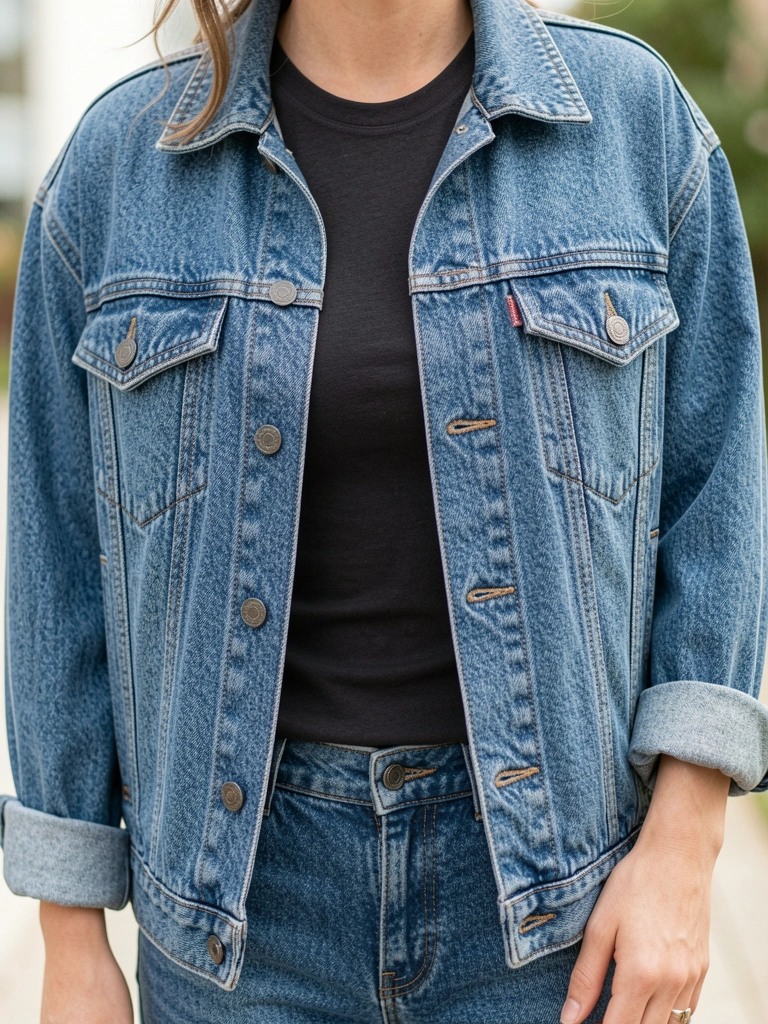
I pick one outer piece: a boxy blazer or an oversized denim jacket. I let the shoulders or structure contrast the slim base. This adds intention and frames the body.
What changes is proportion. A slightly big jacket makes my waist read smaller. Many miss the power of sleeve styling—rolling or pushing sleeves breaks bulk and looks practiced. Don’t add a second bulky layer on top; that’s how outfits get lost and heavy.
One strong outer layer keeps the whole outfit coherent and thrift-friendly.
Step 3: Define the waist with a belt or tuck
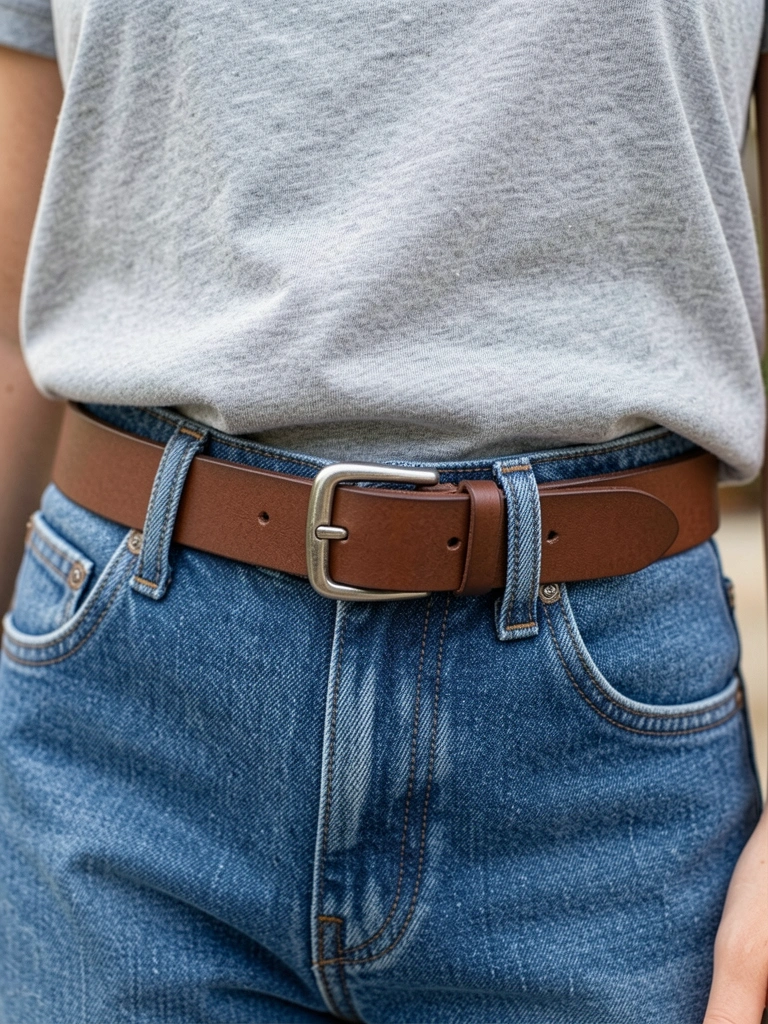
I use a slim belt or an intentional tuck to show where my waist sits. It’s a simple move that creates a clear focal point and balances top and bottom.
Visually, this turns an unshaped silhouette into something deliberate. People often forget scale: a thin belt suits a delicate frame; a chunkier belt suits larger proportions. Avoid heavy buckles with small frames—they dominate.
That small line across the waist reads polished, even when everything else is thrifted.
Step 4: Layer texture, not pattern
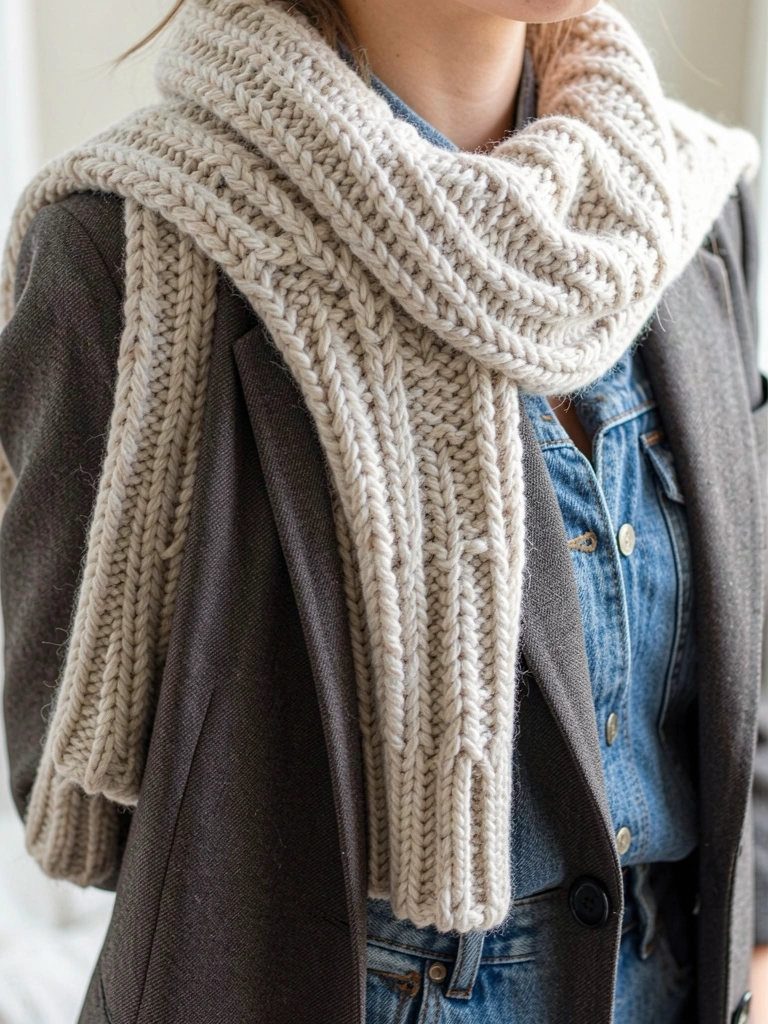
I mix materials—denim, knit, linen—to keep looks interesting without loud prints. Muted, related tones tie pieces together and feel calm.
The visual change is depth. Texture reads expensive in photos and real life. People miss tonal differences—same color family with slightly different shades keeps it cohesive. Avoid clashing prints or too many bright colors; they create noise and kill the aesthetic calm.
A textured layer makes the outfit look thoughtfully assembled.
Step 5: Finish with clean footwear and one focal accessory
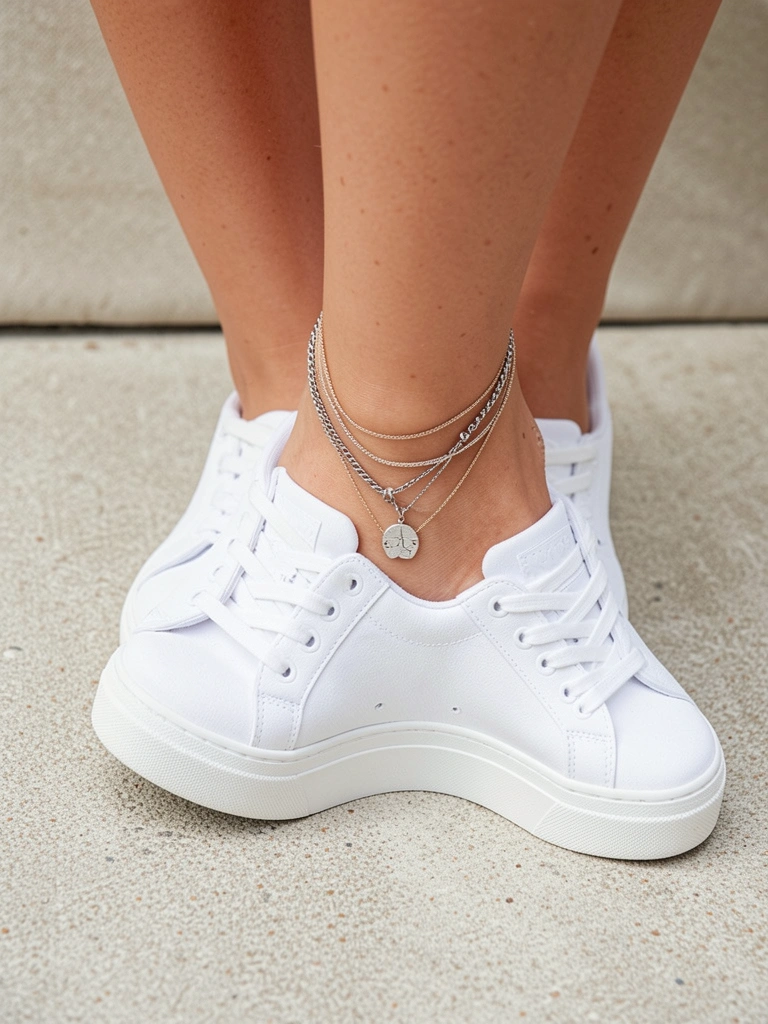
I pick shoes that balance the outfit’s proportions—platform sneakers for cropped or straight jeans, loafers for blazers. Then I add one small focal accessory: a layered necklace or a neat bag.
Shoes change the whole stance and how proportions read. The missed insight is that accessories should punctuate one area only—necklace or belt, not both flashy. A common mistake is over-accessorizing; it fragments the look.
A single, tidy accessory keeps the outfit intentional and wearable.
What This Solves
You stop throwing random thrift wins together and getting an awkward result. This method makes pieces look like they belong. It reduces outfit guesswork and helps you get dressed faster.
You’ll end with calm, wearable outfits that read aesthetic without new clothes or big spending.
Thrifting Smart: What to Look For
When I thrift, I hunt for pieces with good structure: shoulder seams that sit correctly, intact buttons, and solid fabric. Those signs mean little tailoring will go far.
Also check proportions. A jacket that’s slightly oversized in the shoulders is better than one that’s stretched at the seams. I pass on obvious stains or pilling I can’t fix.
Stretching the Budget: Mix, Mend, and Repeat
I mend small flaws—loose hems, missing buttons—rather than discarding pieces. A quick fix can make a thrift find look intentional.
I rotate the same core items. A few basic tees, one good blazer, and jeans give many combinations. Reusing thoughtfully builds a cohesive aesthetic without new shopping.
Final Thoughts
Start with fit and one strong outer layer. Small edits beat new shopping. Trust texture and a single focal accessory.
Begin with what you already own. Make tiny adjustments. You’ll get outfits that feel intentional and calm without a big bill.