

Ever found yourself pretending you’re on a music show while dancing to EXO in your bedroom? Or maybe you’ve practiced Lisa’s rap so many times, your neighbors know the lyrics too? If dreaming about Kpop stardom is your full-time hobby, you’re not the only one.
Auditioning for a Kpop company can feel confusing, overwhelming, and just a little scary but it doesn’t have to be. I’ve put together 14 easy-to-follow tips to help you get started the right way. These aren’t random hacks. They’re real tips inspired by how actual idols got noticed, how auditions work, and what agencies are really looking for.
In this post, we’ll go through the 14 audition tips you need to know from picking the right talent to nailing your intro video. So if you’re ready to take that first real step toward becoming a Kpop idol, let’s get into it. No pressure. Just progress.
1. Start with the Basics: Learn the Kpop Trainee System

Before you even submit your Kpop audition form, you need to understand the world you’re stepping into. The Kpop trainee system is intense. Think bootcamp but with high notes and sweatpants. You’ll train in dance, singing, language, and sometimes even acting, for years before debuting.
This means auditioning isn’t just about “getting picked” it’s about proving you’re ready to train hard. So before anything else, take time to learn how SM, JYP, or HYBE actually structure their trainee programs. It’ll shape how you prepare.
2. Pick Your Strength: Singing, Dancing, or Rap

You don’t need to be good at everything. But you do need to shine in something. If vocals are your thing, focus on breath control and pitch. If you’re a dancer, show off rhythm and body control. Rappers? Flow and clarity are key.
The goal isn’t to be the next Taemin overnight it’s to prove you have potential. Agencies look for that spark they can train. And yes, picking the right audition song helps. Stick with Kpop ballads or mid-tempo pop tracks that don’t overwhelm your range. Bonus if you can hit emotional tones without oversinging.
3. Practice a Killer Self-Introduction

Your self-introduction is often more important than your song. Shocking, right? But when you’re one face among thousands, your personality needs to cut through. Say your name, age, nationality, and your dream in a clear, confident tone.
Pro tip: rehearse this in front of a mirror. Record yourself and refine it until it sounds natural. No robotic rehearsed lines. Agencies want real people with real stage charm. Keep it short, sweet, and uniquely you.
4. Submit the Right Audition Form and Submit It Right

Each company has its own audition form, usually found on its official website. Don’t just wing it read the instructions. Submit the right photo sizes (clean headshot and full body), fill in the correct file names, and don’t skip the “special talent” field.
Also, always use your legal name and double-check your contact details. Companies don’t have time to chase incomplete or sloppy submissions. A well-filled audition form = a good first impression before they even see you.
5. Choose an Outfit That Shows You, Not Trends

What you wear won’t get you picked but it can help your confidence. Go with a clean, fitted outfit in solid colors that let your movement show. Avoid anything baggy, shiny, or too trendy. No heels. No hats. No distracting accessories.
Why? Agencies want to see you your figure, movement, face, and vibe. Keep it natural. If you’re auditioning via video, make sure your background is plain and lighting is decent. Looking good doesn’t mean overdoing it. It means being clear.
6. Record a Practice Audition Video First
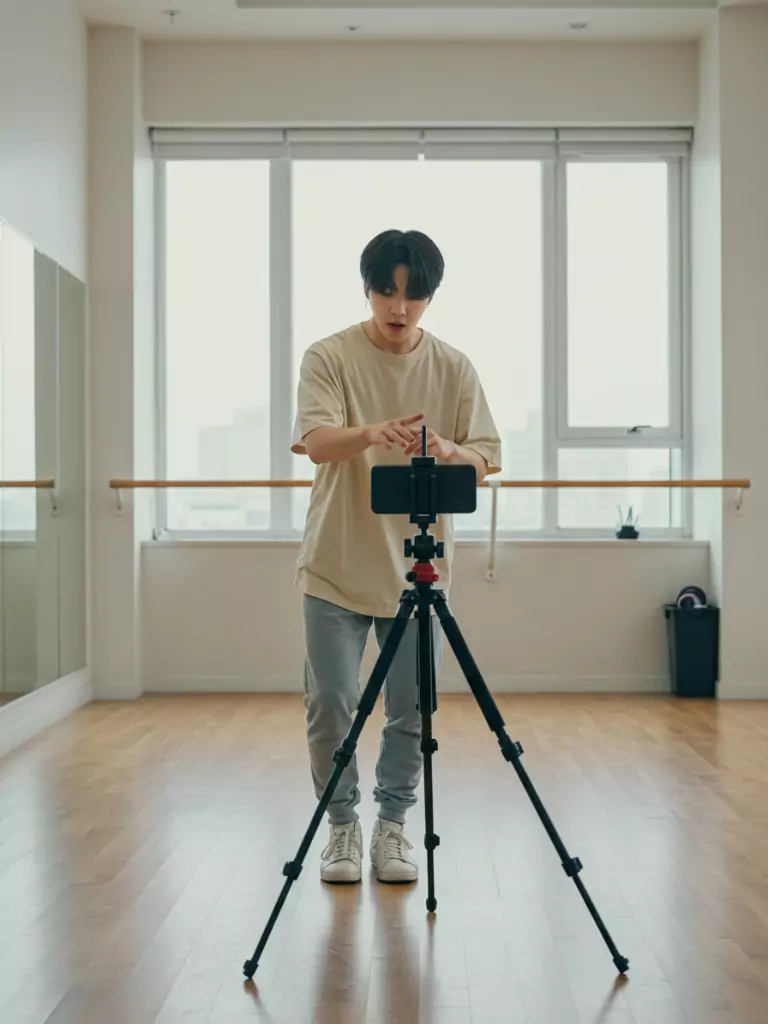
Before you send your official audition tape (or attend a live one), do a practice run. Record your intro, song, and dance on camera. Watch it back and ask: Do I look confident? Is my voice shaky? Am I overdoing facial expressions?
Sometimes we feel great performing, but the camera tells a different story. This step is low-stress and massively helpful. It also helps you catch things like bad lighting or distracting noise in the background before the company does.
7. Know the Agencies & What They Want
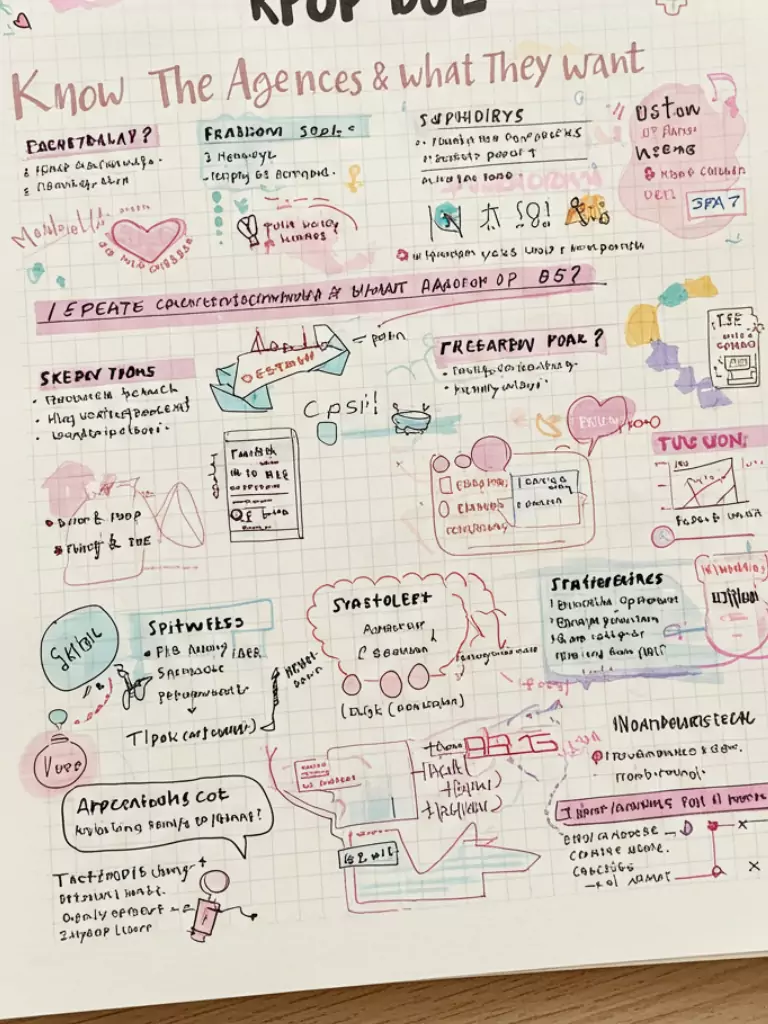
HYBE loves all-rounders. SM leans toward visual and vocal talent. JYP focuses on charm and “star quality.” Knowing what each agency values helps you choose where to audition and how to frame yourself.
If you’re bubbly and quirky, JYP might suit you. If you’re serious and fashion-forward, SM could be your stage. There’s no one-size-fits-all approach in Kpop auditions. Knowing where you belong can save you energy and guide your choices.
8. Practice Daily Like You’re Already a Trainee

Consistency matters more than crazy talent. You could have the best voice in your school, but if you don’t train like it’s your job? You’ll fall behind. Think like a trainee before you even become one.
Set daily practice blocks vocal warmups, breathing exercises, freestyle dance, or choreo copying. Not hours and hours just enough to build muscle memory. This mindset is what sets people apart. Auditions don’t reward perfection; they reward potential paired with work ethic.
9. Build Your Own Stage, Even Without One

Waiting for the perfect stage will just delay your dream. Instead, start building experience post singing covers, short dance clips, or vlog-style Kpop reels. It doesn’t need to go viral. It just needs to exist.
Perform in front of friends. Join local competitions. Film yourself singing in your backyard. The more you perform, the more confident and real you become. Agencies are impressed by people who act like idols before they even get selected. You don’t wait for permission to shine.
10. Know That Looks Matter But Not the Way You Think
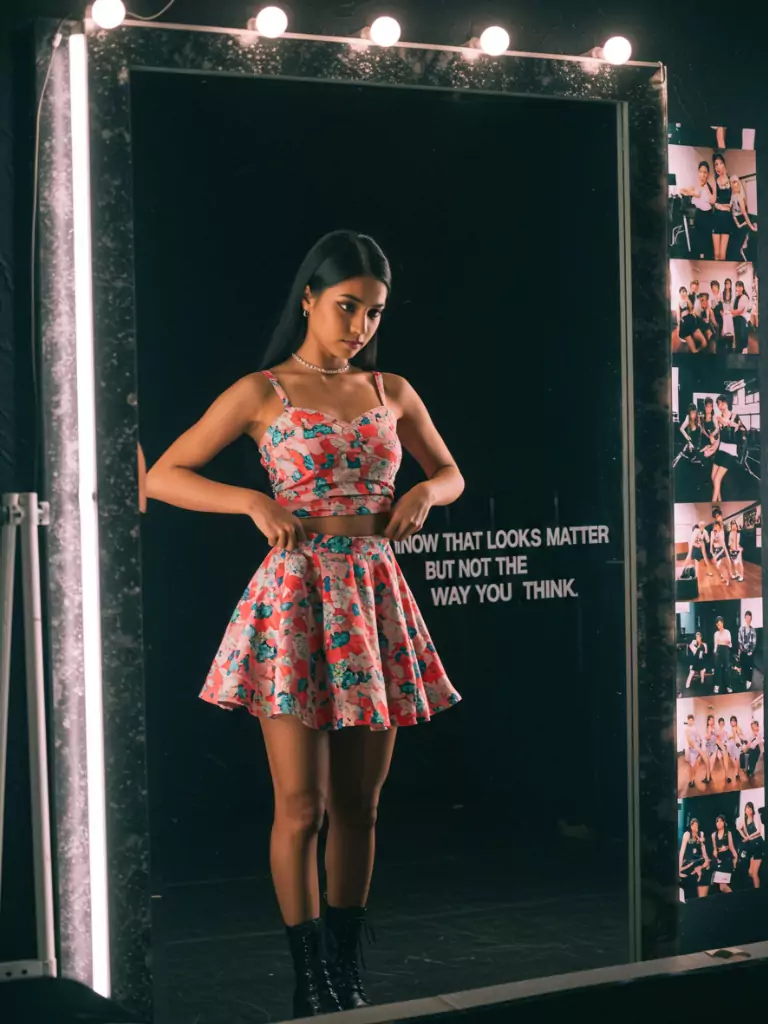
Here’s the truth: visuals do matter in Kpop. But we’re not talking about being “model-level” pretty. We’re talking about stage presence, how you hold yourself, and how photogenic you are under lighting and pressure.
Agencies want people they can shape. So instead of stressing over your jawline or height, focus on looking healthy, expressive, and confident. Work on posture, skincare, and style that highlights your natural look. You don’t need surgery or filters. You need clarity and presence.
11. Don’t Underestimate Korean Language Basics

You don’t need to be fluent to audition but knowing basic Korean helps more than people think. It shows respect for the culture, makes communication smoother, and often helps during your self-introduction or interview.
Practice greetings, numbers, and short phrases like “I’m happy to be here” or “I hope you enjoy my performance.” Bonus: you’ll feel less nervous if you’re not decoding instructions on audition day. Apps like Papago or basic beginner YouTube channels are a good start.
12. Prepare Emotionally for Rejection and Redirection

Not getting picked doesn’t mean you’re not good. It just means you’re not what they need right now. Most successful idols were rejected multiple times. Jennie trained for years before debuting. IU was rejected by over 20 companies. They didn’t stop.
Use every audition as feedback. Ask yourself: What went well? What can I tweak next time? Then go again. Auditioning for Kpop is like dating—it’s about timing, chemistry, and readiness. Stay sharp. Stay kind to yourself.
13. Research Each Audition Like It’s an Exam

Before applying to any audition, research that agency like it’s your final exam. What types of idols do they debut? What genre of music do they push? Do they want a cool rapper or a soulful singer?
Customize your performance to align with their vibe. If you’re applying to YG, go bold. If it’s SM, go clean and smooth. This doesn’t mean changing your identity it means adjusting your strategy. You wouldn’t wear a swimsuit to a job interview, right? Same logic.
14. If You Pass Train Like It’s Just the Beginning
Let’s say you’re selected (yay!) you’re now a trainee. Here’s where things really begin. Expect strict schedules, food control, no phones, dating bans, monthly evaluations, and even mental fatigue. It’s not glamorous yet it’s work.
But here’s the thing: if you’re serious about this, you’ll learn to love the grind. Training shapes you into someone who can own the stage. And if you don’t debut in the first group? Keep going. Many idols debut after years and multiple group lineups. Like, hello BTS.
Conclusion
Auditioning for Kpop isn’t just about a cool dance and a high note—it’s about who you are when no one’s watching. It’s about staying ready when the opportunity finally knocks. Whether you’re just starting vocal lessons or preparing your third audition form, the key is to keep going.
Be humble enough to improve and brave enough to show up. There’s no secret formula. Just honest practice, small wins, and the kind of confidence that doesn’t scream—it glows.
So grab that mic. Adjust that camera. Rehearse that intro one more time. Your Kpop story doesn’t start on stage.