
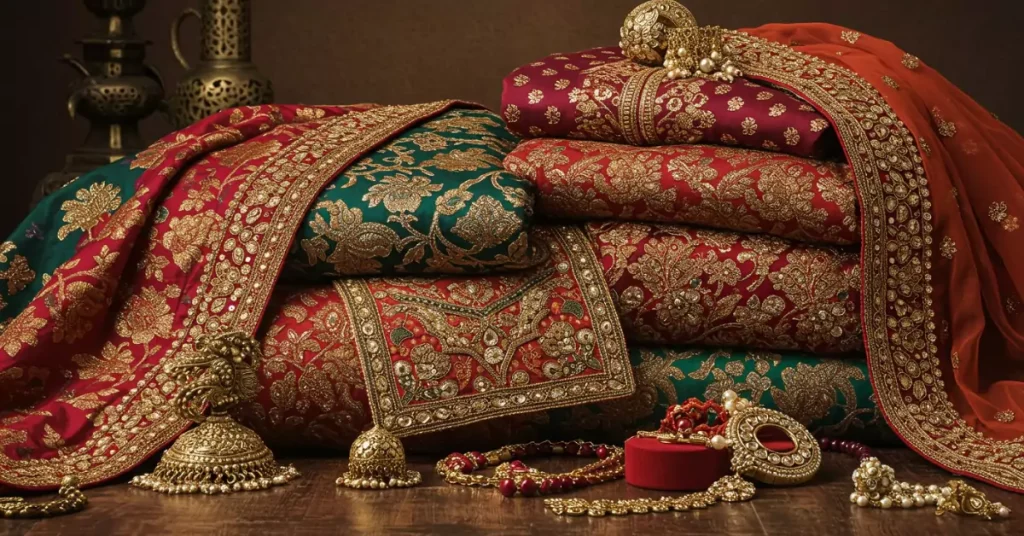
When it comes to fashion, few countries can match the diversity and beauty of India. Every region, every community, and sometimes even every festival has its own way of dressing.
Traditional Indian dresses are not just about fabric and style they carry emotions, family values, and centuries of heritage. Some outfits are meant for everyday comfort, while others are designed to sparkle on weddings and celebrations.
What’s even more fascinating is that these clothes never really go out of style. Instead, they keep evolving, blending tradition with modern taste, and yet always keeping that “Indian heart” alive.
Let’s explore 15 traditional Indian dresses and see what makes each one special.
1. Saree
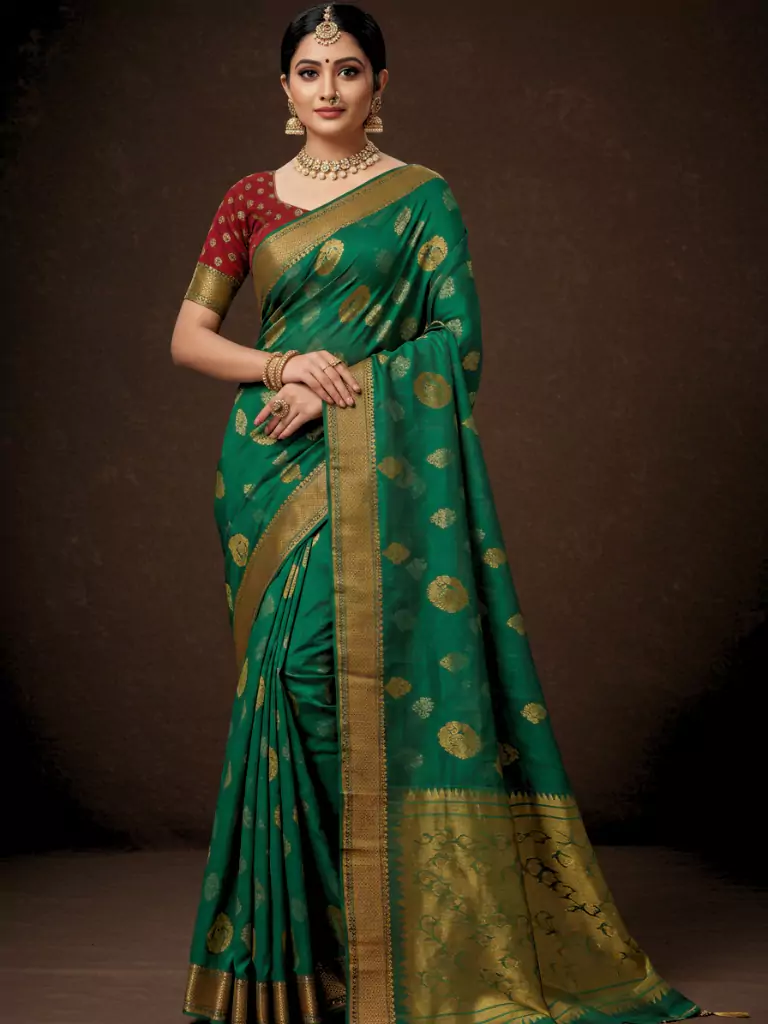
The saree is often seen as the soul of Indian clothing. It’s a long unstitched cloth, usually 5–9 yards, wrapped elegantly around the body and paired with a blouse.
What makes the saree so loved is its versatility you can wear a simple cotton saree for daily comfort, or a heavy silk saree with golden embroidery for weddings.
Each region of India has its own saree style, like Banarasi, Kanjeevaram, or Chanderi. The draping style also changes from place to place, making it a living art form. With just a piece of cloth, it transforms a woman into a symbol of grace.
2. Anarkali Suit
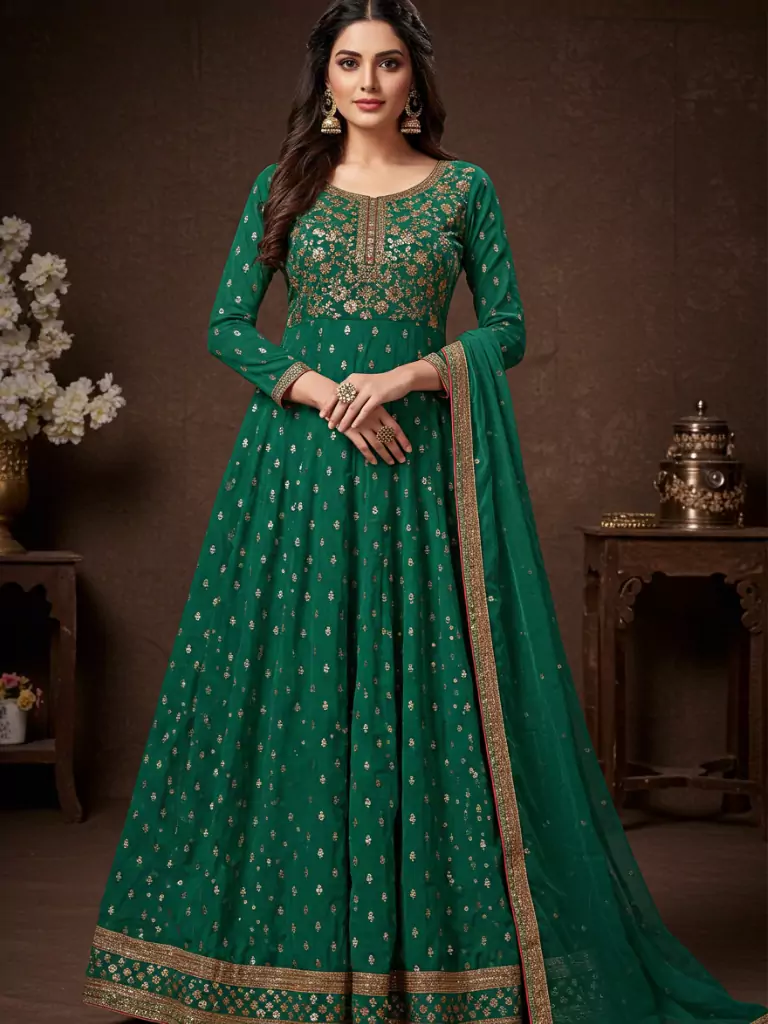
The Anarkali suit is one of the most graceful dresses inspired by Mughal fashion. It features a long, frock-style top that flares out like a gown, worn with slim churidar pants and a dupatta.
Its flowy silhouette makes it flattering for all body types. Anarkalis can be simple with cotton fabric for daily wear, or heavily embroidered with zari and sequins for weddings.
They give an elegant, royal appearance and are a favorite choice for family gatherings and festivals. This dress truly brings drama and charm to any occasion.
3. Sharara Suit
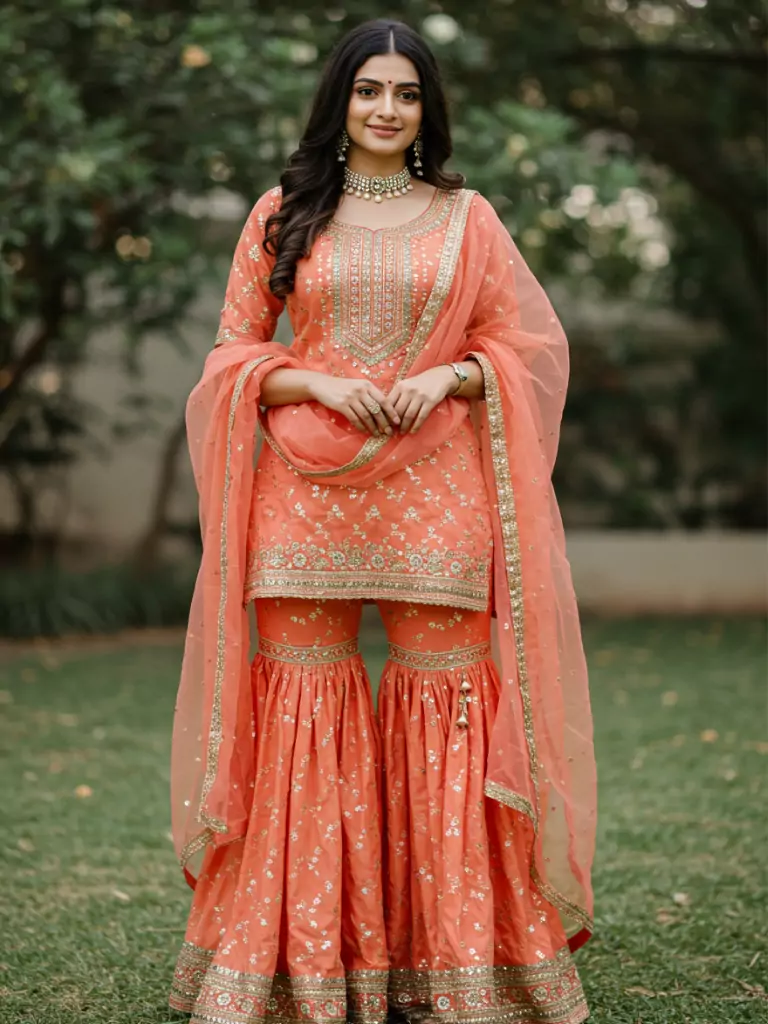
The sharara suit is all about comfort and style blended together. It includes wide-legged pants that flare out from the knees, paired with a kurti and a dupatta.
Originally worn by women in Lucknow and Hyderabad, this dress has now become a fashionable choice for weddings. The pants are usually decorated with embroidery, lace, or sequins, making them look almost like a skirt.
When paired with a short kurti and dupatta, it gives off a playful yet sophisticated vibe. Perfect for dancing at weddings, the sharara adds both glamour and ease.
4. Salwar Kameez
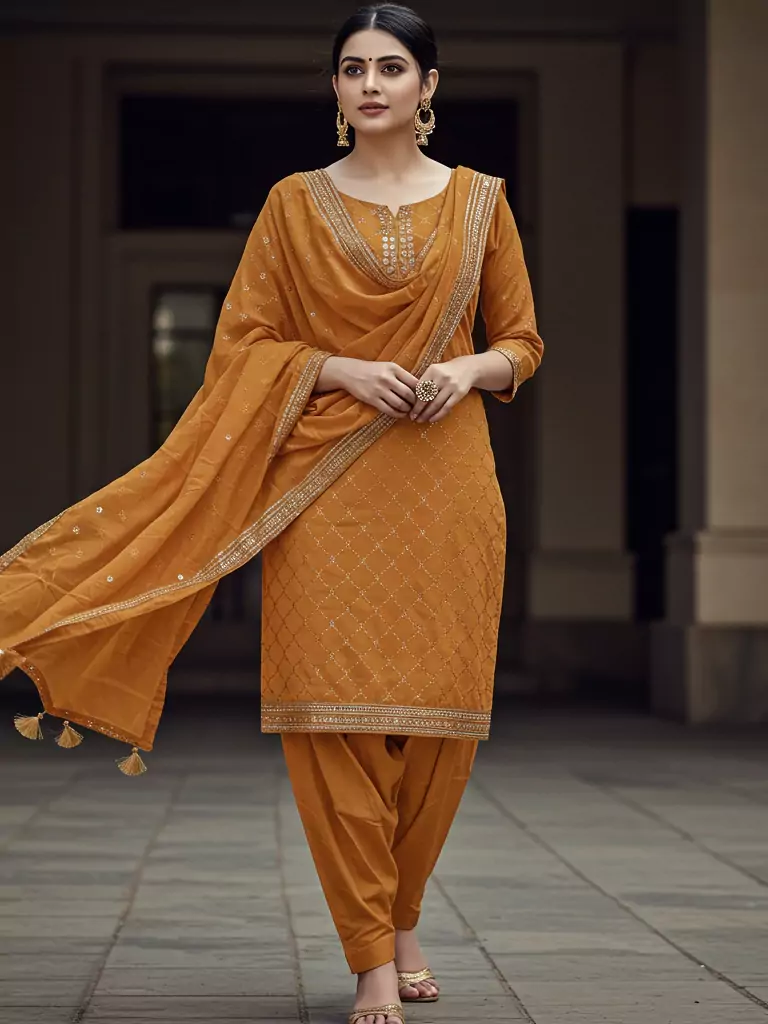
The salwar kameez is one of the most common yet timeless outfits in India. It consists of a tunic (kameez), loose pants (salwar), and a matching dupatta.
What makes it so loved is its practicality you can wear it daily for comfort, but also choose silk or designer versions for festive occasions.
The outfit allows easy movement while still looking stylish. From Punjab to Delhi, it remains the everyday dress of many women. It’s simple, beautiful, and versatile no wonder it never goes out of style.
5. Patiala Suit
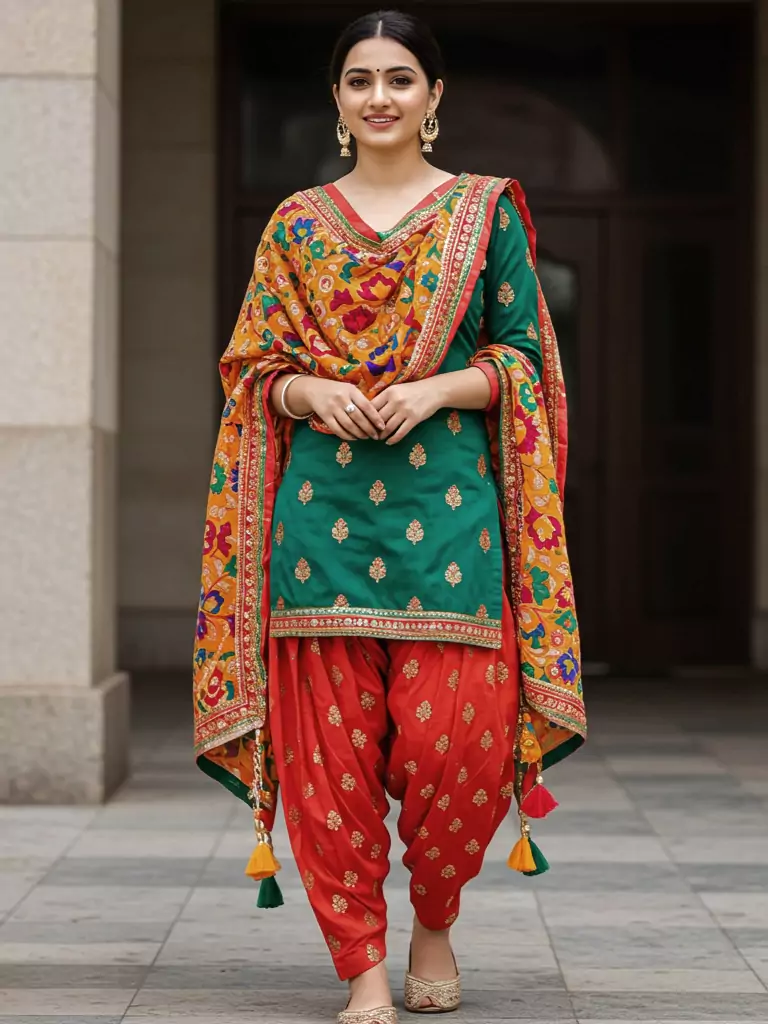
Originating from Punjab, the Patiala suit is a fun and lively version of the salwar kameez. The kameez is usually short and paired with a heavily pleated salwar that uses extra fabric, giving it a flowy and royal feel.
The outfit is often worn with a colorful dupatta, sometimes with phulkari embroidery. Patiala suits are famous for their comfort and stylish appearance, making them popular among younger women.
They are great for casual wear, but also shine in festivals and weddings with rich fabrics. This dress reflects the cheerful spirit of Punjabi culture.
6. Mekhela Sador
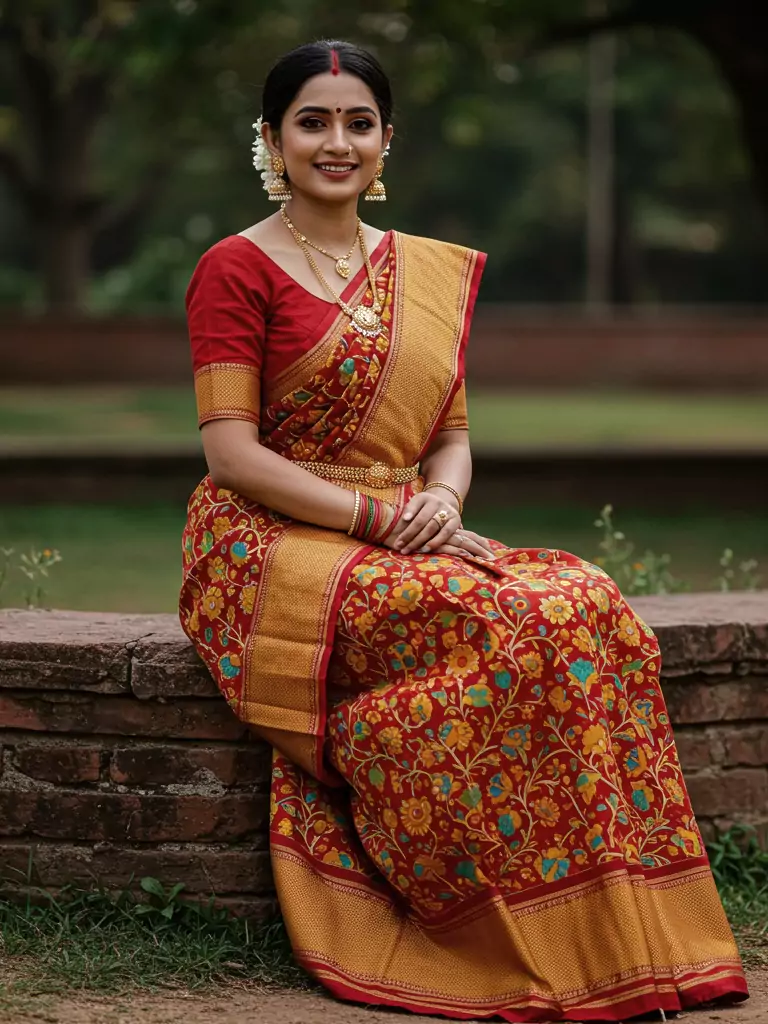
Mekhela Sador is the pride of Assam, known for its simplicity and elegance. It is a two-piece dress where the lower part, called mekhela, is a cylindrical skirt, and the upper piece, called sador, is draped around the body like a saree.
The fabric is usually made from Assamese silk, decorated with motifs inspired by nature like flowers, birds, or animals. It’s most commonly worn during traditional festivals such as Bihu and weddings.
The mekhela sador carries the warmth of Assamese culture, making the wearer look graceful yet traditional.
7. Pheran
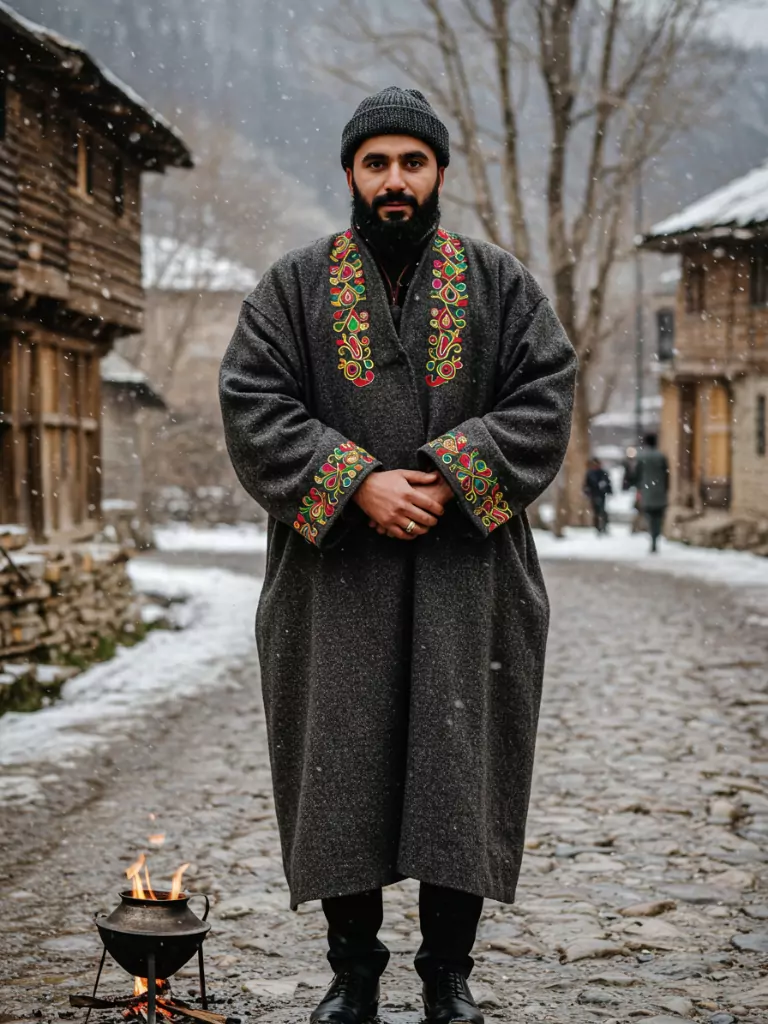
In the valleys of Kashmir, the pheran is a winter essential. It is a long, loose robe that covers the body and keeps the cold away. Traditionally, it is made of wool or tweed and often embroidered with beautiful Kashmiri needlework like tilla or sozni.
Both men and women wear pherans, making it a unisex outfit with cultural importance. Underneath, people sometimes keep a kangri (a small pot of fire) for extra warmth.
The pheran is not just clothing it’s a tradition that reflects the beauty of Kashmiri life.
8. Jodhpuri Suit (Bandhgala)
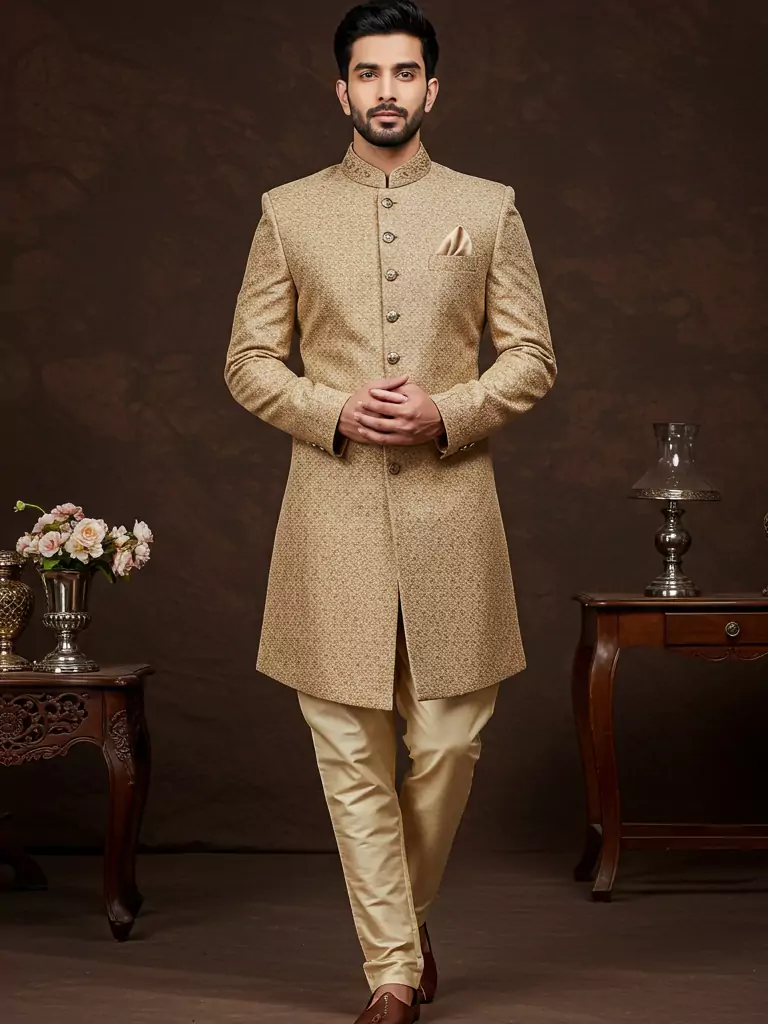
The Jodhpuri suit, also known as the bandhgala, is a royal outfit for men. It combines a tailored coat with trousers and sometimes a vest, giving a princely look.
The high collar and structured fit add a formal touch, making it perfect for weddings, receptions, or special events. This style originated in Jodhpur, Rajasthan, and quickly spread across India as a symbol of class.
Modern versions often blend western cuts with traditional embroidery. It’s the kind of outfit that makes a man look effortlessly regal.
9. Kurta Pajama
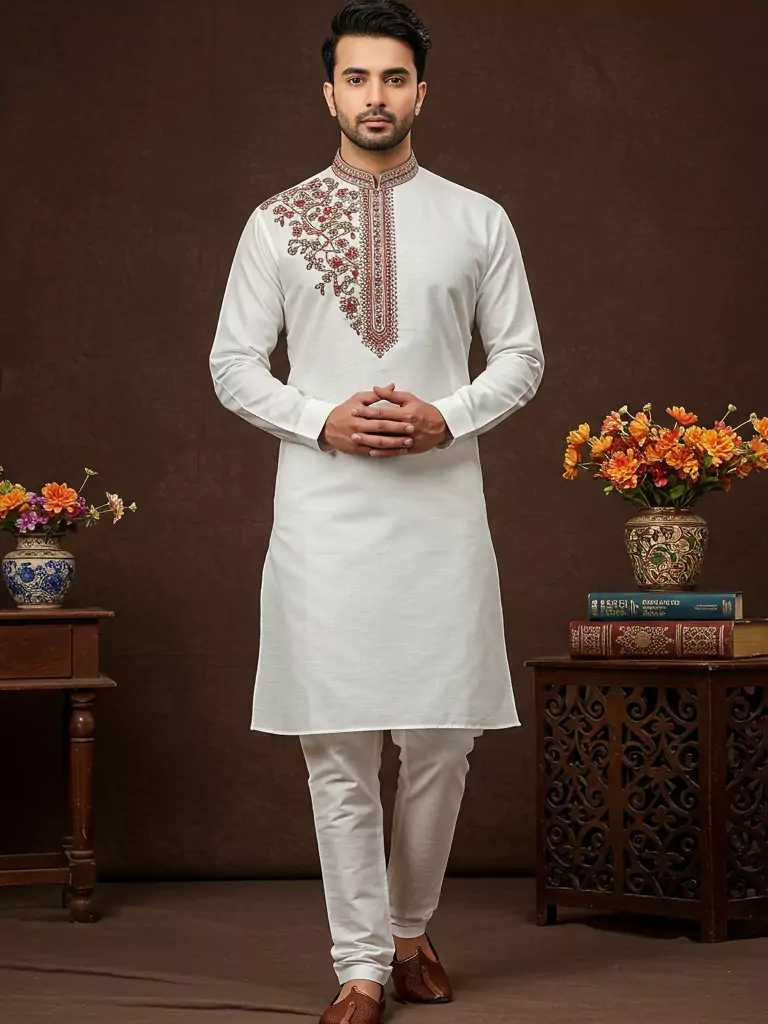
The kurta pajama is one of the simplest yet most classic men’s outfits in India. It consists of a long tunic (kurta) worn with straight pants (pajama).
The beauty of this dress lies in its versatility it can be plain cotton for daily wear or silk with embroidery for formal events. Many men also pair it with a Nehru jacket for a festive look.
It is comfortable, easy to carry, and suits all age groups. Whether it’s a religious event or a casual gathering, the kurta pajama always feels right.
10. Sherwani
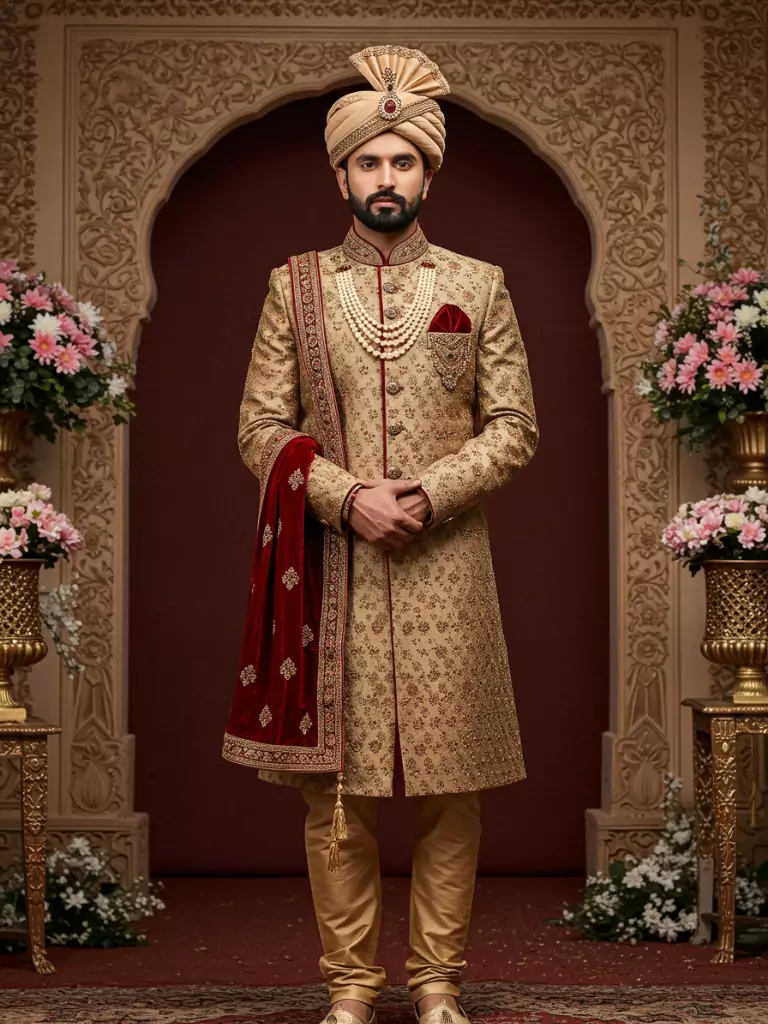
The sherwani is the ultimate groom’s outfit in India. It is a long, coat-like garment worn over a kurta and churidar or pajama. Sherwanis are usually made of silk or brocade, heavily embroidered with zari, sequins, or stones.
They often come with a matching stole or dupatta and are paired with mojari shoes. This outfit gives a majestic and royal touch, making weddings unforgettable.
Even today, a well-designed sherwani reflects tradition while keeping modern style alive.
11. Bandhgala / Nehru Jacket
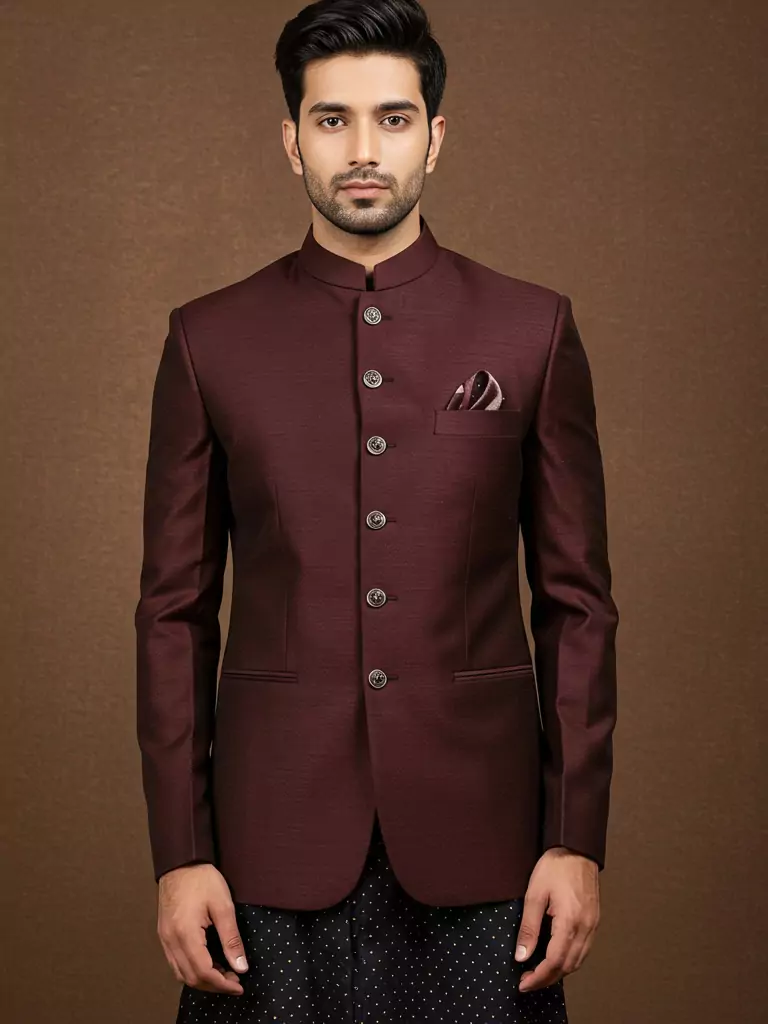
The Nehru jacket or bandhgala is a structured, hip-length coat with a mandarin collar. It is often worn over a kurta or shirt, paired with trousers or churidar.
This jacket adds instant elegance and is a favorite choice for formal occasions. It can be plain for a sophisticated look or embroidered for a festive vibe.
Though named after India’s first Prime Minister, Jawaharlal Nehru, it has become a global fashion piece. It’s simple, smart, and incredibly stylish.
12. Langa Voni / Half Saree
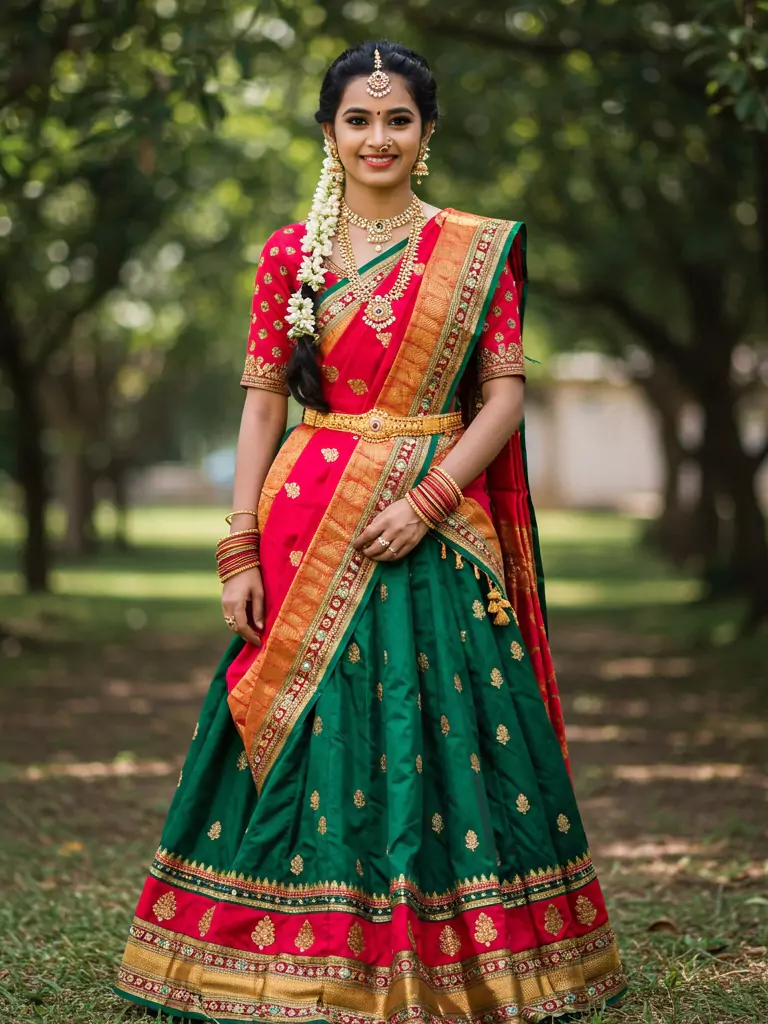
In South India, young girls often wear the langa voni, also called the half saree. It consists of a long skirt (langa), a blouse, and a dupatta draped like a saree.
The outfit is colorful and vibrant, often worn during coming-of-age ceremonies and festive occasions. Unlike a saree, it is easier to manage, making it perfect for teenagers.
With embroidery and silk fabric, it looks festive and elegant. It beautifully represents tradition while keeping youthfulness alive.
13. Sindhi Cholo and Shalwar
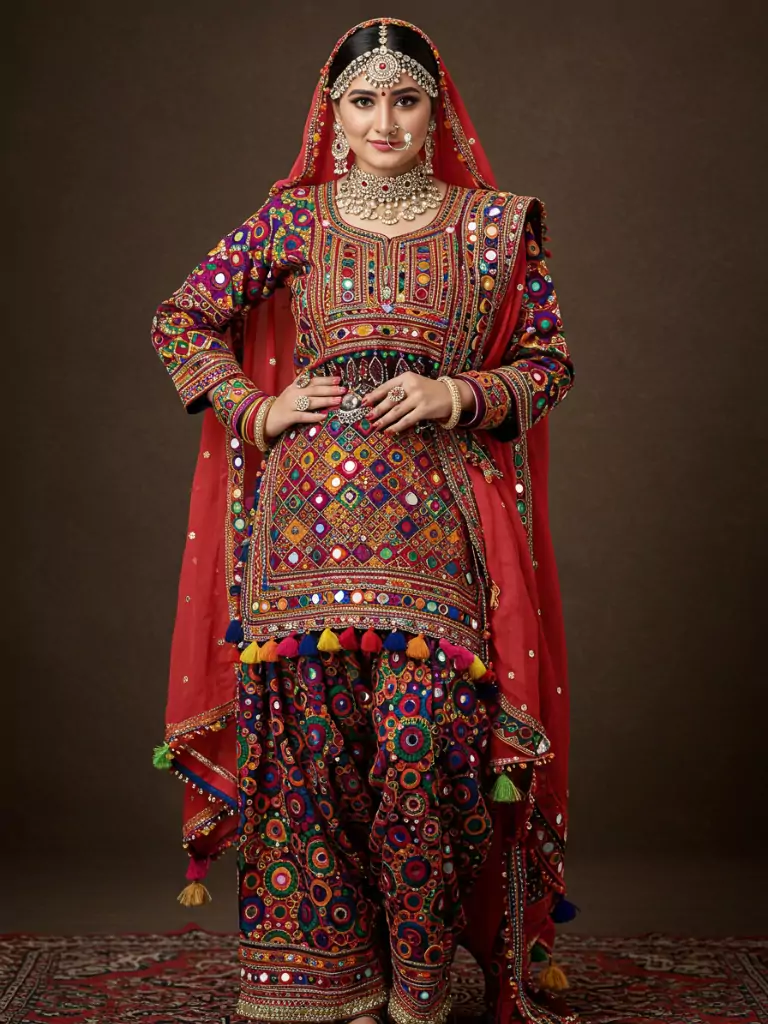
The traditional dress of Sindhi women is the cholo and shalwar. The cholo is a decorated blouse, often covered with mirror work and embroidery, while the shalwar is a loose-fitting pant.
The outfit is completed with a long veil or dupatta, also decorated with colorful patterns. It is especially worn during cultural festivals and weddings.
Bright colors and bold designs are its key features, symbolizing Sindhi vibrance. This outfit is not just clothing it’s a cultural identity.
14. Luanchari
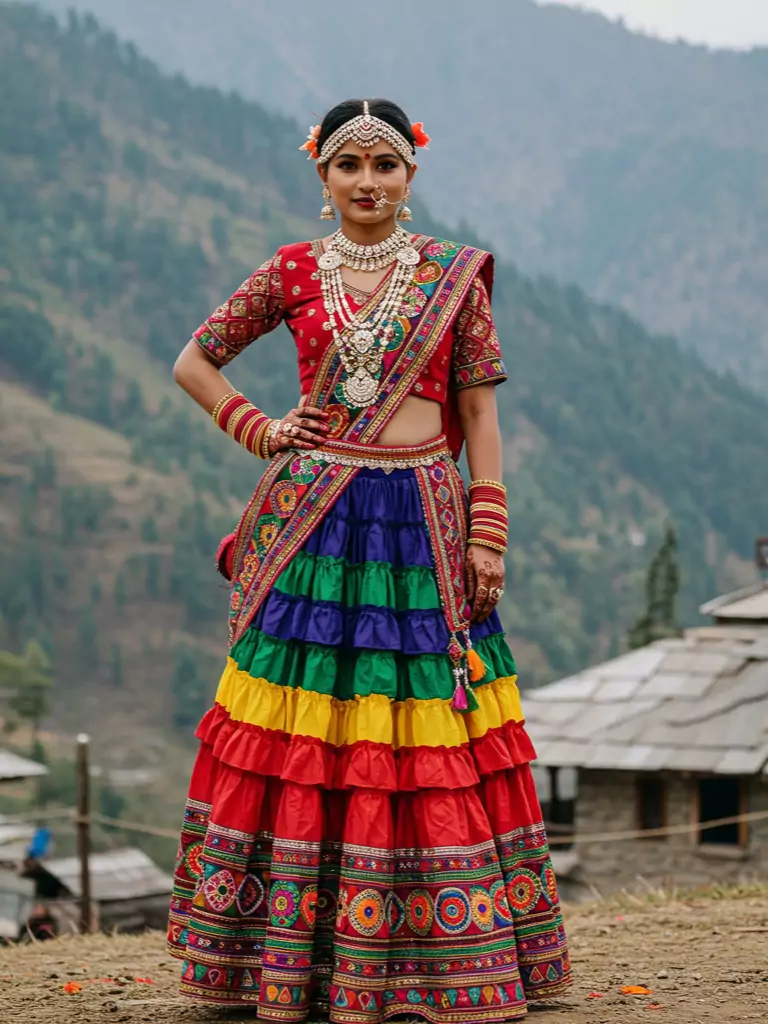
The luanchari is a unique traditional dress worn by women in Himachal Pradesh. It is a one-piece outfit where the blouse is stitched directly with the skirt.
Usually made of bright colors and layered fabric, it is worn with a waistband and a dupatta. Women often accessorize it with heavy jewelry, making it look even more festive.
It is mostly seen during weddings and cultural events in the hills. The luanchari is a beautiful reminder of mountain traditions and elegance.
15. Kasavu Saree
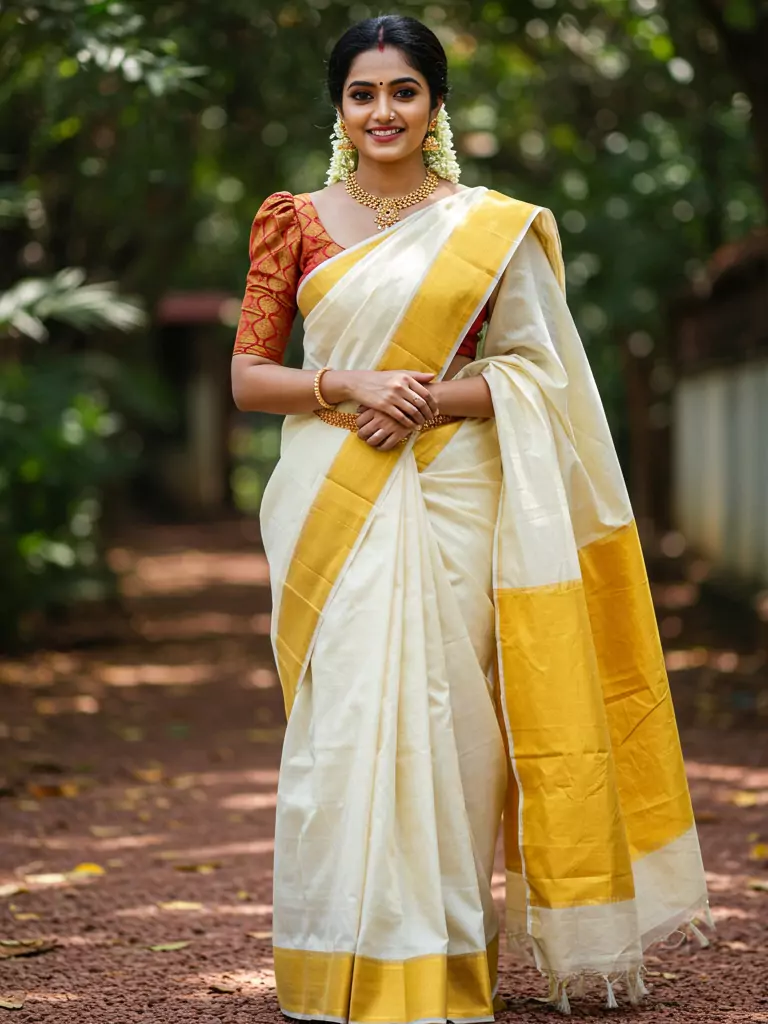
The kasavu saree is Kerala’s pride, known for its simplicity and beauty. It is usually white or cream in color, with a golden border that shines under sunlight.
Women wear it during Onam, temple visits, and weddings. The beauty of the kasavu saree is in its minimalism there’s no heavy embroidery, just pure elegance.
When paired with gold jewelry, it creates a heavenly look. This saree is proof that simplicity can sometimes be more powerful than extravagance.
Which Traditional Indian Dress Matches You?
Your Perfect Traditional Dress Is:
Conclusion
Traditional Indian dresses are more than just outfits they are pieces of history stitched with culture, emotion, and artistry. From the elegance of a saree to the grandeur of a sherwani, each garment tells a unique story of the people who wear it.
These dresses are versatile, meaningful, and timeless, making them loved across generations. No matter how much fashion changes, Indian traditional wear always holds its place with pride. Wearing them is like carrying a piece of India’s soul with you.