

Fashion in 2026 focuses on clothing that works for daily life instead of rare occasions. People want outfits that feel comfortable, easy to repeat, and simple to style without overthinking.
Trends now center on flexible pieces, calm colors, and practical shapes that fit real routines.
This list highlights wearable fashion trends that are already shaping how people dress every day, with ideas that feel realistic, affordable, and easy to apply using items you may already own.
1. Relaxed Tailored Sets
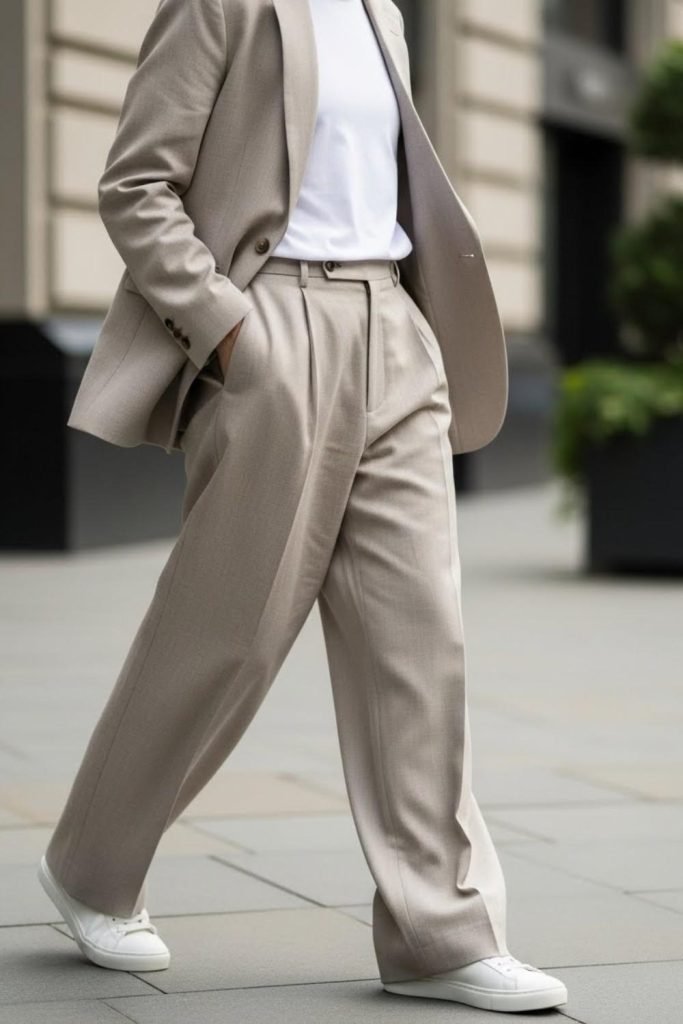
Relaxed tailored sets bring structure without stiffness. These outfits include soft blazers and loose trousers that allow movement throughout the day. The fit feels calm and wearable, not restrictive.
Many people wear the pieces together or separately, which stretches their use across multiple outfits. A blazer can work with jeans, while the pants pair easily with simple tees.
Budget-friendly versions often appear in local stores and thrift shops, especially oversized blazers that already fit this trend. Look for lightweight fabrics that drape instead of stiff materials.
Small changes like rolling sleeves or swapping buttons can refresh older pieces. Neutral shades work best since they mix well with basics. This trend suits workdays, travel, and casual plans while keeping dressing simple and repeatable.
2. Everyday Utility Details
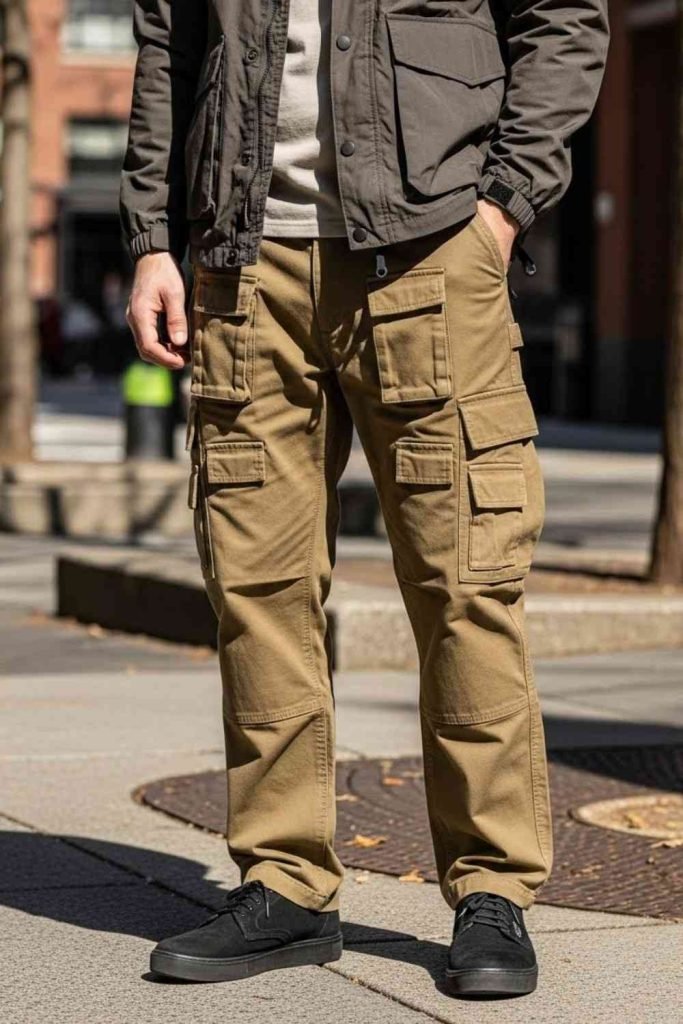
Utility details focus on function without heavy styling. Pockets, adjustable ties, and simple fastenings appear on pants, jackets, and shirts. These features make clothing more practical for daily routines like errands or commuting.
Modern utility pieces feel lighter and softer than older cargo styles. Affordable options often use cotton blends instead of thick canvas, making them easier to wear year-round.
Utility pants pair well with basic tops to keep outfits balanced. You can also add function at home by attaching patch pockets or using iron-on designs.
Earthy tones like khaki and muted green remain popular because they hide wear. This trend supports busy lifestyles where comfort and practicality matter more than sharp detailing.
3. Soft Layering Pieces
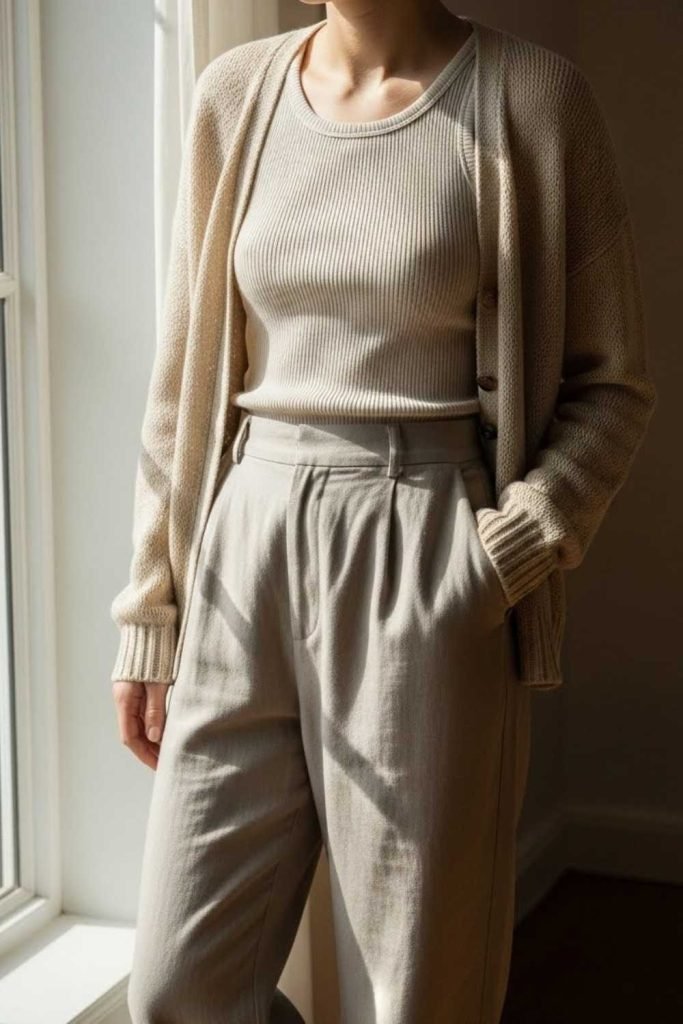
Soft layering pieces allow outfits to adapt throughout the day. Lightweight cardigans, wrap tops, and thin pullovers add warmth without bulk. These items layer easily over tanks or tees and can be removed when needed.
The goal is comfort without looking heavy. Many people rely on neutral shades so layers blend naturally with other clothing. Budget options often appear in jersey or ribbed knits, which are easy to wash and maintain.
Styling tricks like belting a cardigan or tying it differently create variety without buying more items. Soft layers help stretch seasonal wardrobes and make everyday outfits feel intentional while staying relaxed.
4. Wide-Leg Everyday Pants
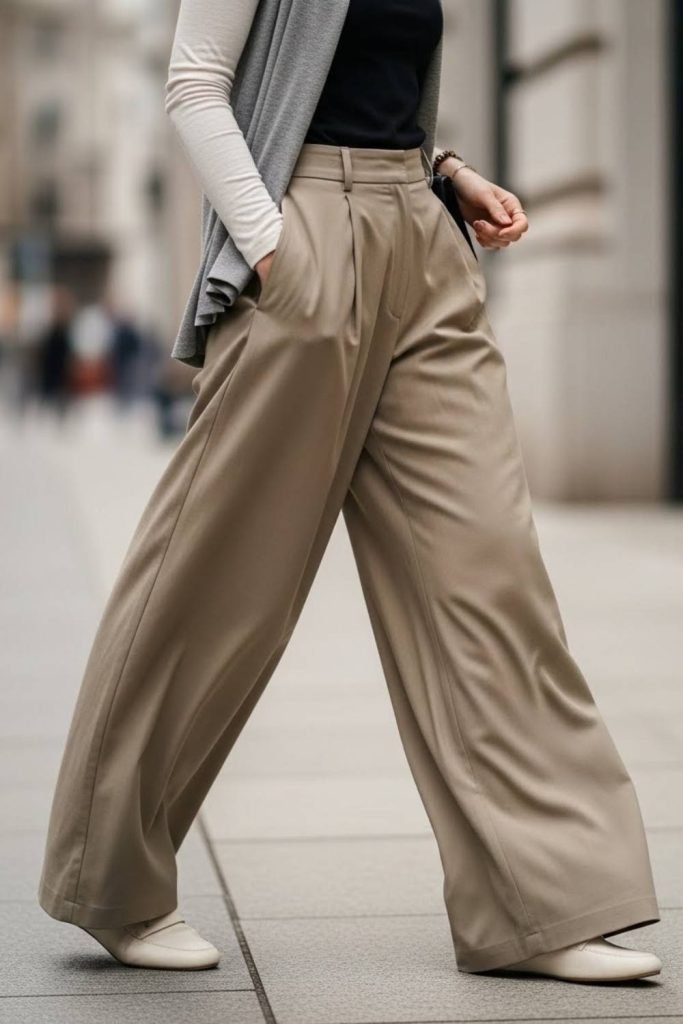
Wide-leg pants remain a strong everyday choice in 2026. They allow airflow, ease of movement, and a relaxed fit that works across body types. Many designs include elastic waistbands or adjustable ties, which increase comfort.
These pants pair best with fitted or simple tops to keep balance. Budget-friendly pull-on styles are easy to find and often more forgiving in fit.
You can update older pairs by shortening hems slightly for a modern shape. Neutral colors work well for repeat wear. This trend helps replace restrictive silhouettes with options that feel wearable all day.
5. Neutral Color Dressing
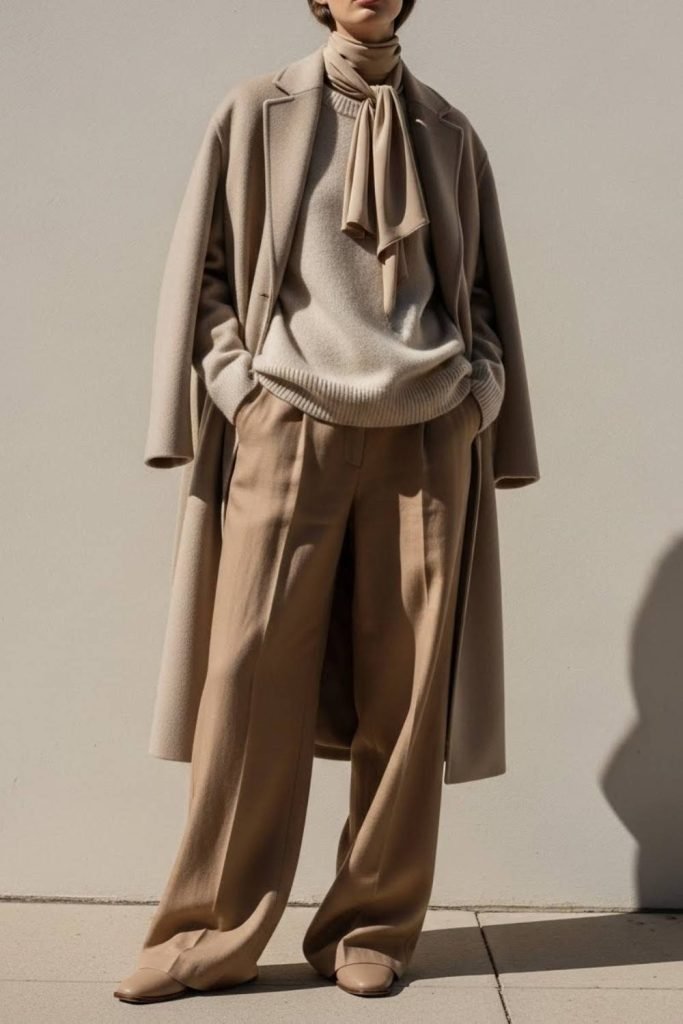
Neutral color dressing reduces outfit stress. Shades like beige, gray, black, and soft brown mix easily and work well together. Many people build wardrobes around one or two main neutrals to simplify choices.
This approach supports repeat wear and reduces unnecessary shopping. Budget-wise, neutral pieces are easier to re-style across seasons. You can refresh older white items by dyeing them into warmer tones.
Texture becomes important, so mixing knits, cotton, and linen keeps outfits interesting. Neutral dressing focuses on ease and longevity rather than constant change.
6. Comfortable Statement Footwear
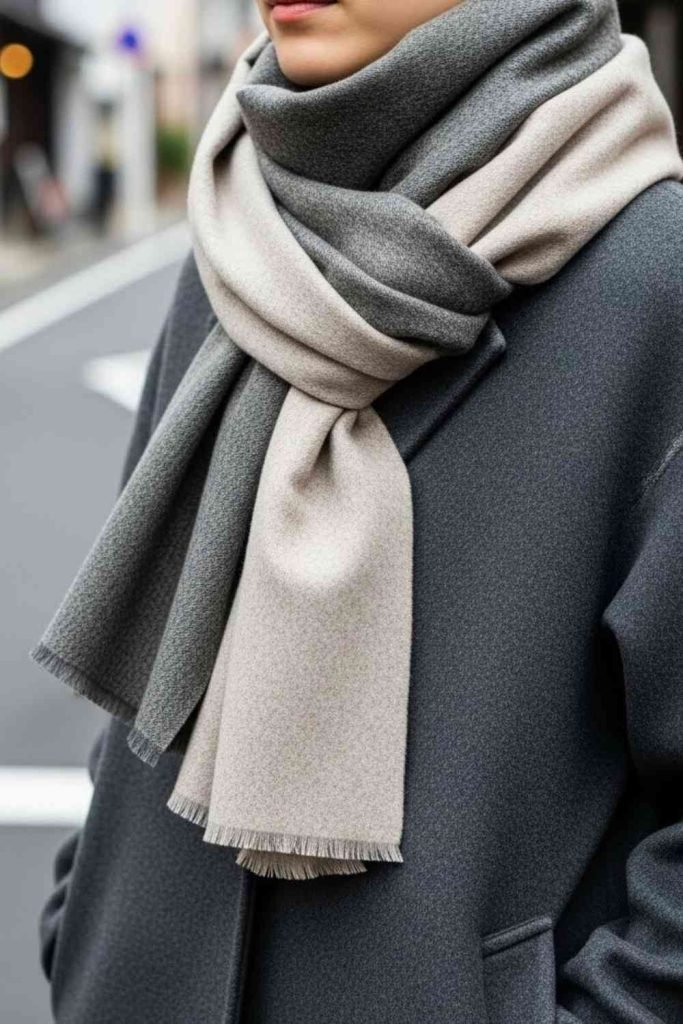
Footwear in 2026 combines comfort with personality. Chunky soles, padded straps, and flexible materials dominate daily wear. Shoes are made for walking, standing, and long hours without discomfort.
Affordable options focus on cushioned insoles instead of brand labels. Adding gel inserts can extend the life of older pairs. Colors stay mostly neutral with subtle accents.
These shoes pair easily with pants, dresses, and skirts, making them versatile for daily routines. Comfort drives choices more than trend-driven designs.
7. Easy Matching Separates
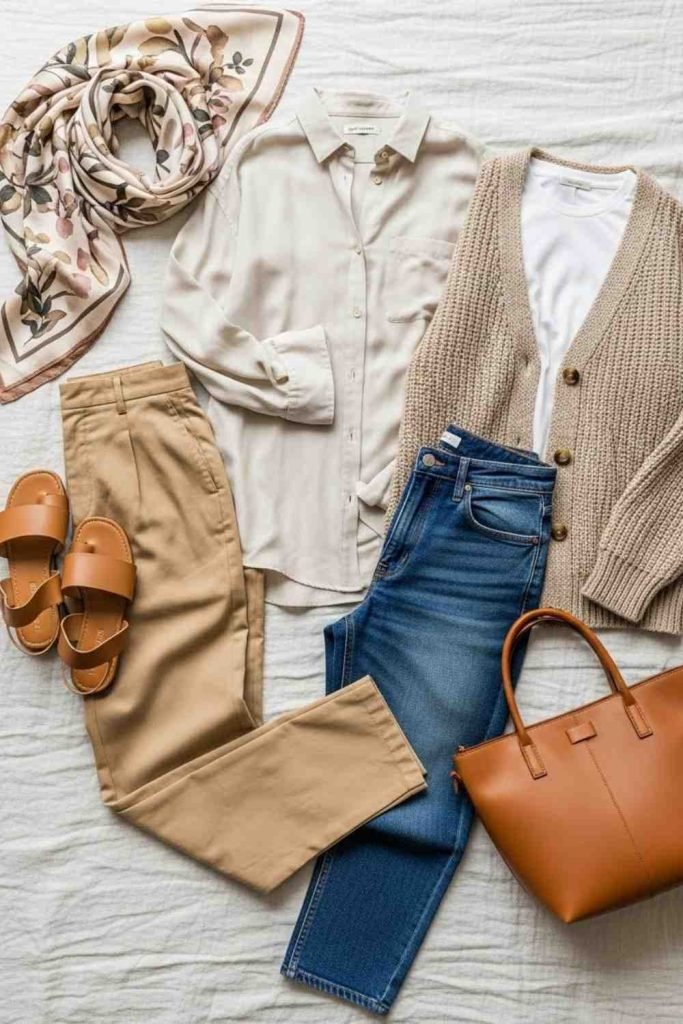
Matching separates simplify getting dressed. These pieces share color tones or textures, making them easy to pair together or style separately. They create quick outfits without effort.
Buying sets during sales often costs less than purchasing items individually. You can also create your own sets by mixing similar shades from different brands.
This trend helps stretch wardrobes while keeping outfits coordinated and practical for daily wear.
8. Light Denim Shapes
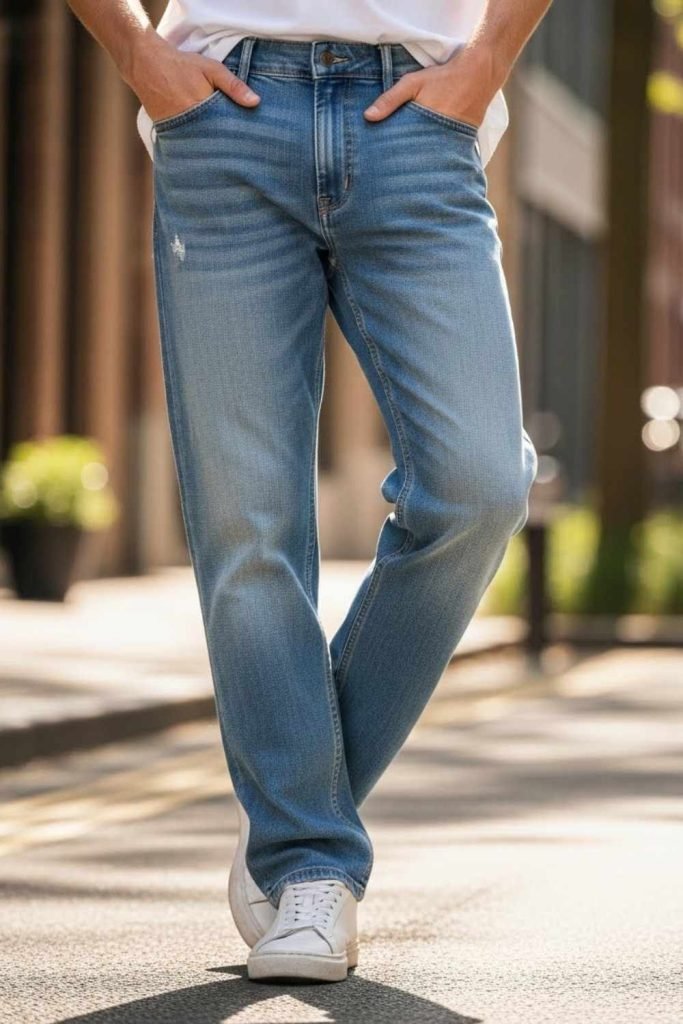
Denim in 2026 feels softer and looser. Straight-leg and relaxed fits replace tight styles. Comfort improves while durability remains.
Thrifted denim often offers better fabric quality at lower prices. Raw hems or light fading refresh older jeans easily. These shapes work well with both casual and slightly polished outfits, making denim more flexible for everyday wear.
9. Layer-Friendly Dresses
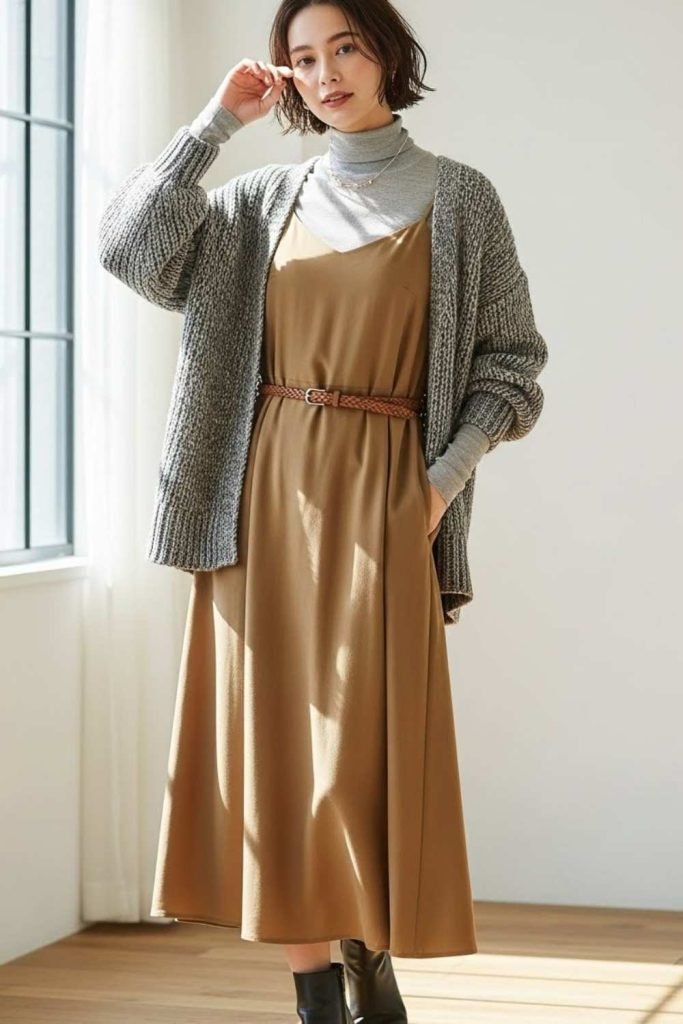
Layer-friendly dresses work across seasons. Sleeveless or simple-cut dresses pair easily with cardigans, jackets, and scarves. This allows one piece to serve multiple looks.
Elastic or relaxed fits keep comfort central. Belts or ties change the silhouette without tailoring. These dresses support repeat wear and easy styling throughout the year.
10. Everyday Texture Mixing
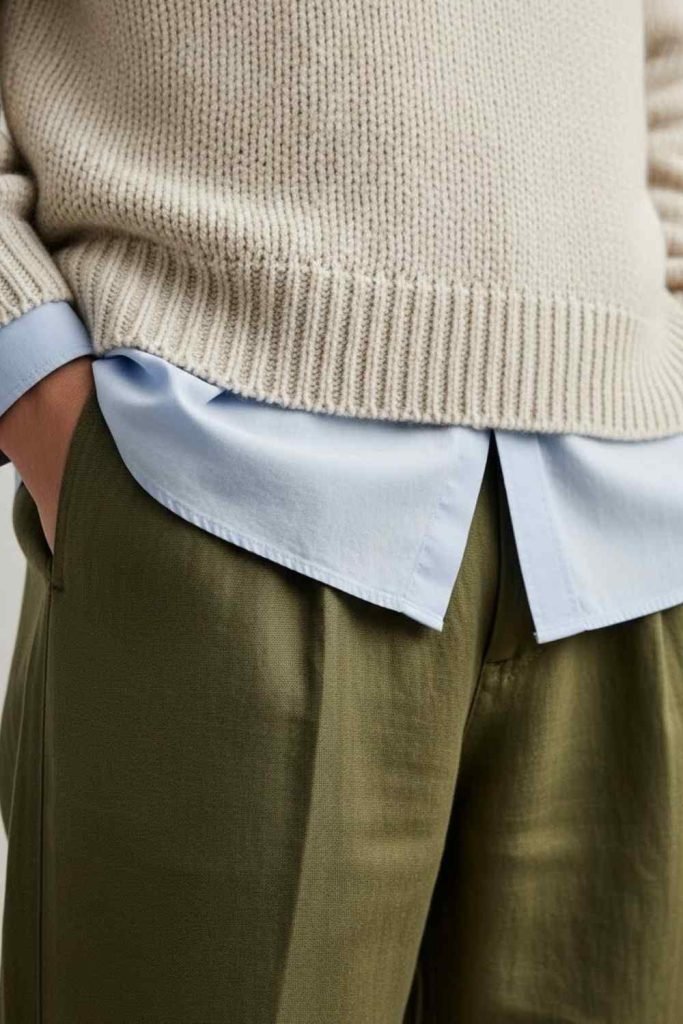
Texture adds interest without loud patterns. Mixing knit tops with cotton pants or linen layers creates depth while staying simple.
This trend relies on items already in many wardrobes. Adding textured accessories like scarves or bags enhances outfits without spending much. Texture-focused styling keeps neutral outfits from feeling flat.
11. Simple Waist Definition
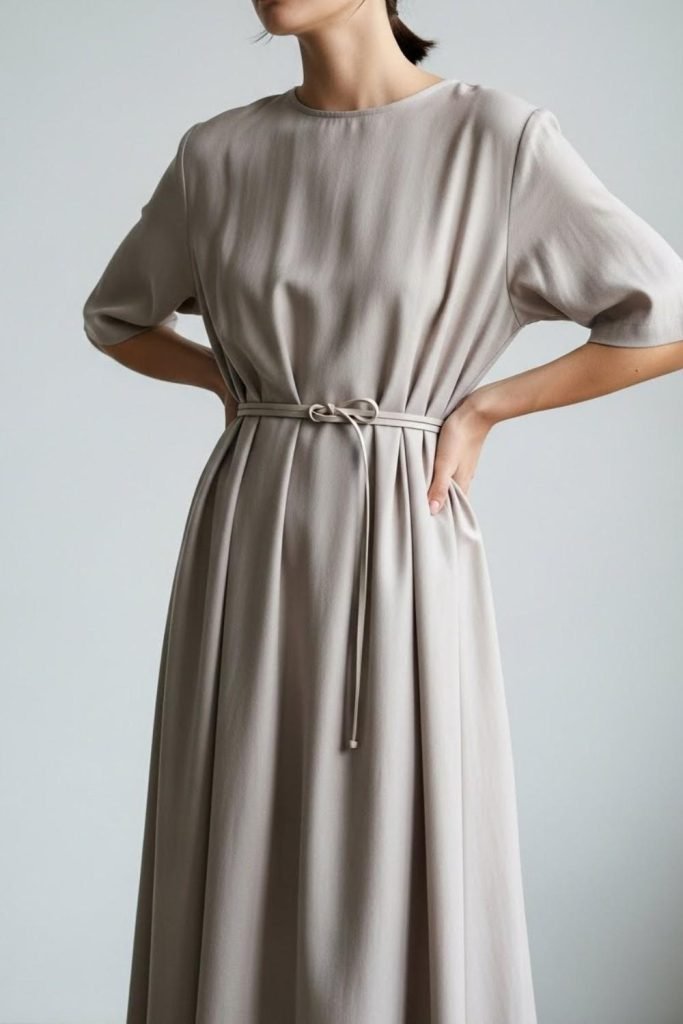
Waist definition returns in a relaxed way. Soft belts, ties, and drawstrings shape outfits gently without tight fits.
Scarves work well as budget-friendly belts. You can also sew side ties into tops for flexible shaping. This trend adds structure while maintaining comfort.
12. Casual Skirt Styling
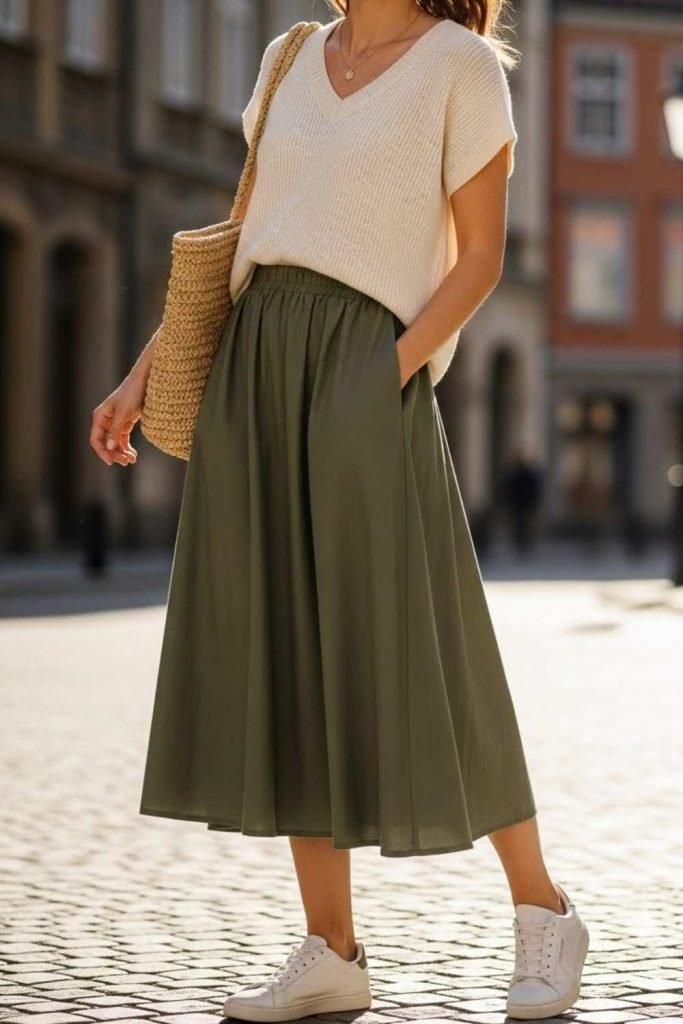
Skirts now pair with casual tops and flat shoes. Comfort leads styling choices. Elastic waistbands make skirts easier to wear daily.
Shortening hems slightly can update older styles. This trend allows skirts to fit naturally into everyday outfits without feeling dressed up.
13. Soft Outer Layers
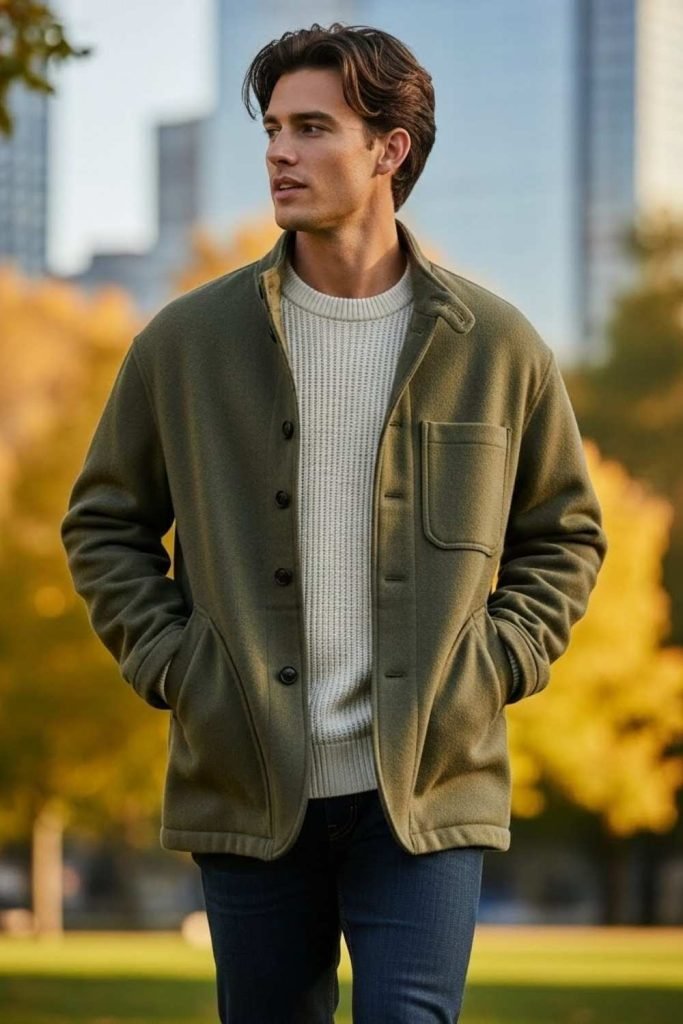
Light jackets replace heavy coats. These layers work well across seasons and store easily.
Thin fabrics keep outfits flexible. Rolling sleeves or open styling adds variation. Soft outer layers support everyday movement and comfort.
14. Repeat Outfit Confidence
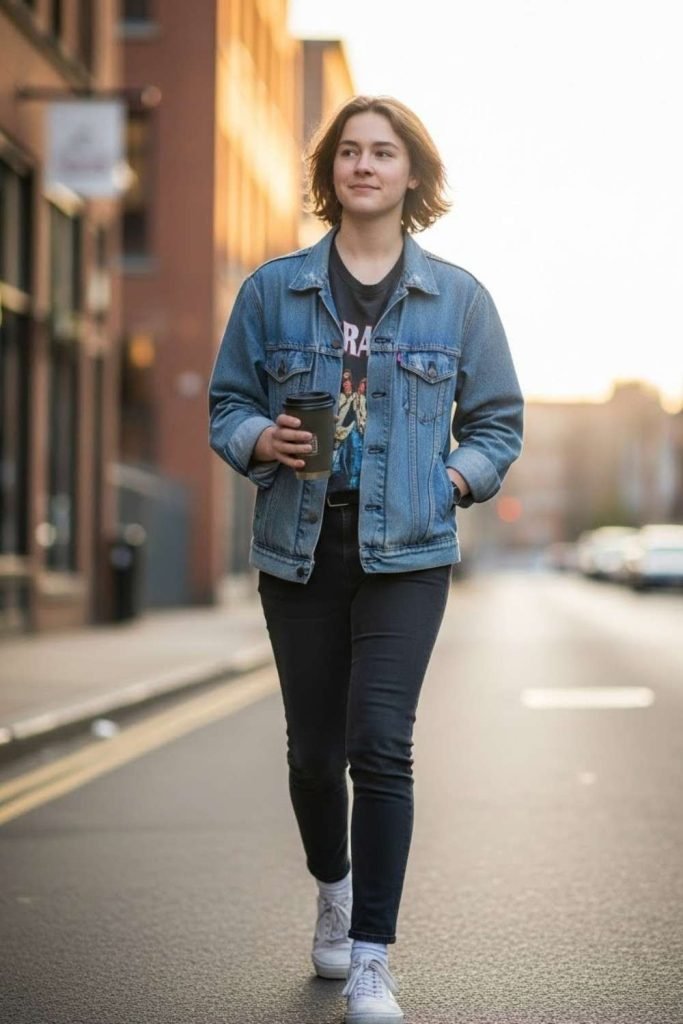
Repeating outfits becomes normal in 2026. People focus on comfort and familiarity instead of constant change.
Accessories refresh repeated looks without buying more clothes. This mindset supports intentional shopping and simpler wardrobes.
15. Relaxed Accessories
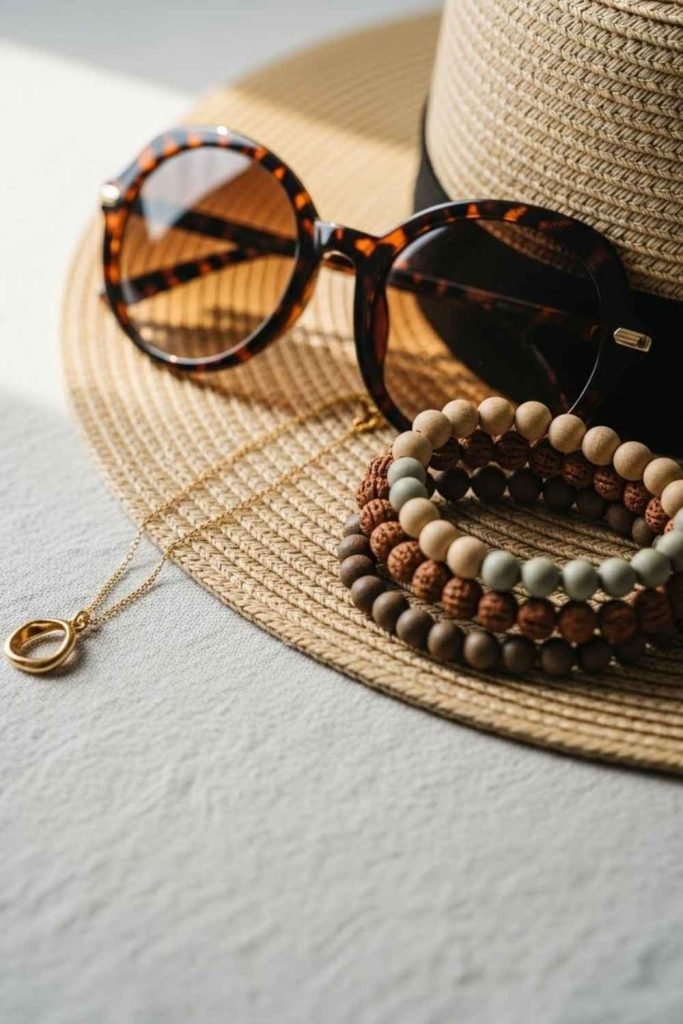
Accessories stay functional and understated. Crossbody bags, soft totes, and simple jewelry dominate daily wear.
Canvas and fabric bags offer budget-friendly options. Small charms or keychains add personality without clutter.
16. Personal Uniform Dressing
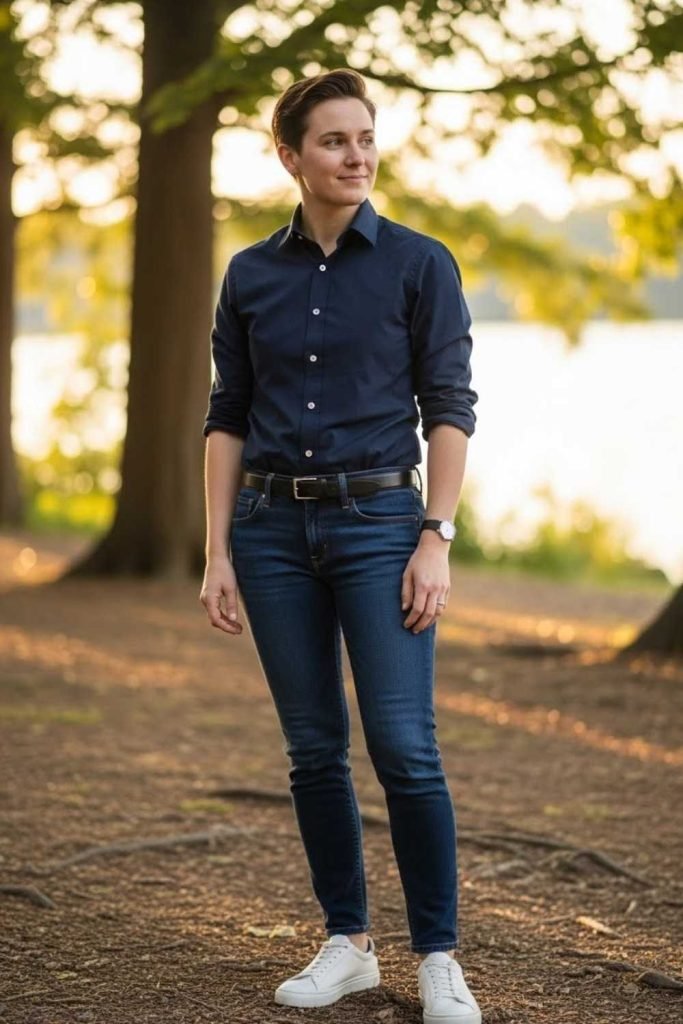
Personal uniforms simplify mornings. People stick to shapes and colors that feel right and repeat them confidently.
Rotating colors within the same silhouettes keeps outfits familiar but not boring. This trend supports ease, comfort, and consistency.
What’s Your 2026 Everyday Fashion Style?
Your Wearable Fashion Match Is:
Conclusion
Wearable fashion trends in 2026 reflect real routines and everyday comfort. These ideas focus on simple shapes, calm colors, and practical styling that fits daily life.
By choosing flexible pieces and repeating what works, getting dressed becomes easier, more affordable, and more personal.