
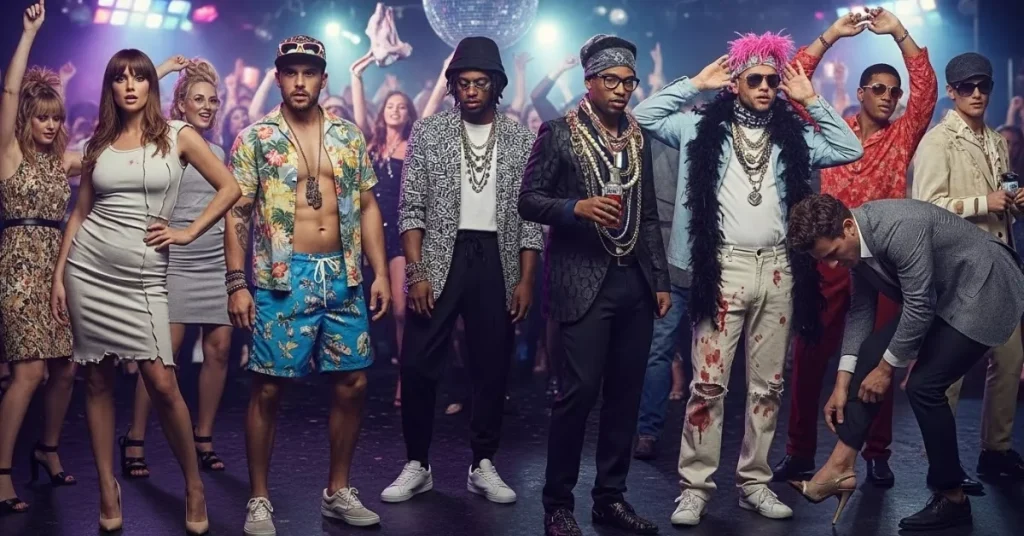
A party outfit can look stylish on a hanger but feel completely wrong once you step out the door. Small styling errors often make an outfit appear rushed or mismatched, even when the clothes themselves are nice.
The good news is that most party outfit mistakes are easy to fix without spending extra money.
This guide focuses on practical choices that help you look put-together, relaxed, and confident. The remaining five will follow when you ask for the second section.
1. Wearing Clothes That Don’t Fit Properly
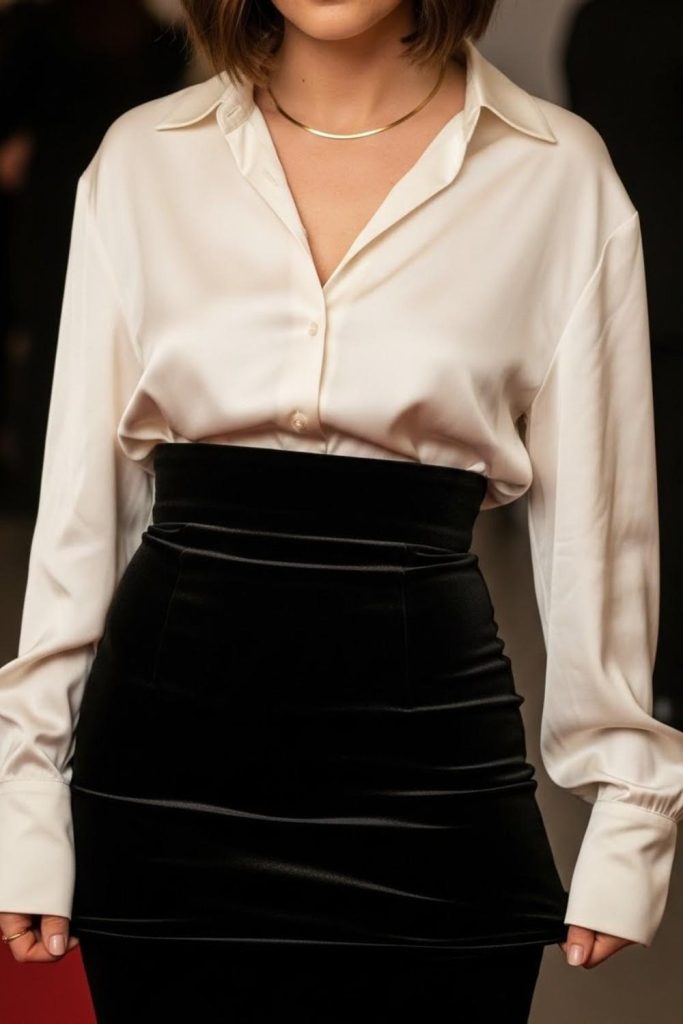
Fit matters more than brand or price. Clothes that are too tight can look uncomfortable, while oversized pieces may seem careless. A simple mirror check often reveals pulling, bunching, or slipping straps.
These small issues stand out more at parties where photos are taken. A budget-friendly fix is basic tailoring. Shortening hems or adjusting the waist costs little and changes everything.
If tailoring isn’t an option, choose pieces that already follow your body shape. Stretch fabrics help when sizes feel tricky. Belts can define shape on loose dresses or blazers. Safety pins work in emergencies for gaping tops.
When shopping, move around in the fitting room. Sit, raise your arms, and walk. Comfort shows in posture. A well-fitting outfit helps you relax, smile more, and enjoy the event without constant adjusting.
2. Overdoing Accessories
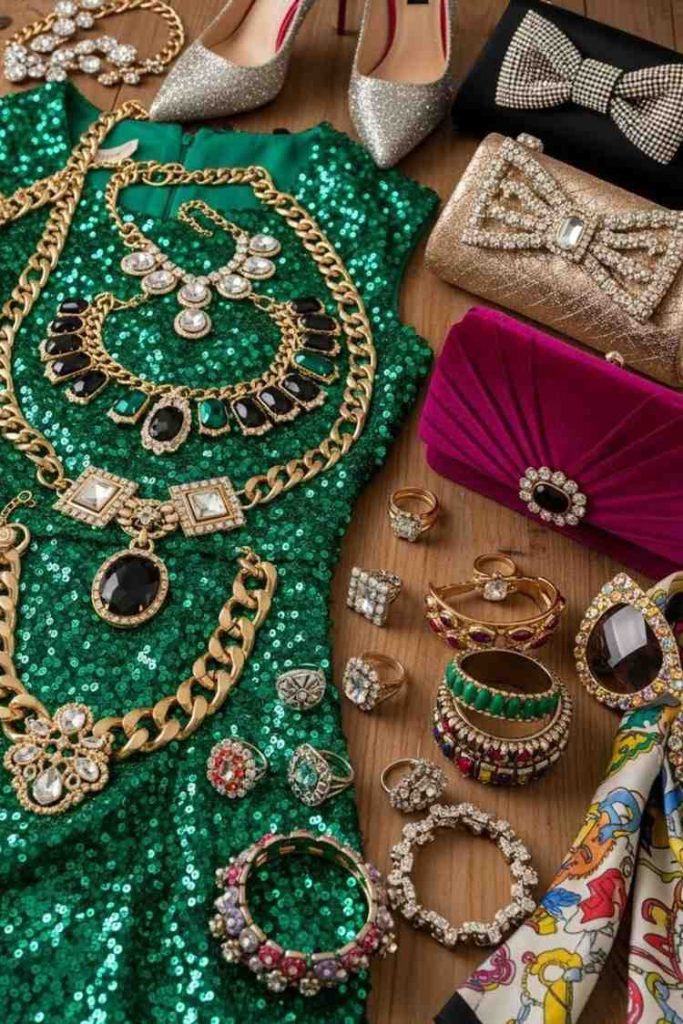
Accessories can improve an outfit, but too many create visual noise. Large earrings, layered necklaces, bold bags, and statement shoes competing at once can feel messy.
A simple rule helps: pick one main accessory and keep the rest quiet. If your dress shines, wear subtle jewelry. If your bag stands out, skip heavy earrings. Budget tip: rotate accessories you already own instead of buying new ones.
Try styling the outfit twice and compare in the mirror. One version will look calmer. Neutral shoes and bags balance bright outfits well.
Hair accessories also count, so avoid stacking clips and headbands together. Clean styling lets your outfit speak clearly. Photos turn out better when details don’t fight each other.
3. Ignoring the Dress Code
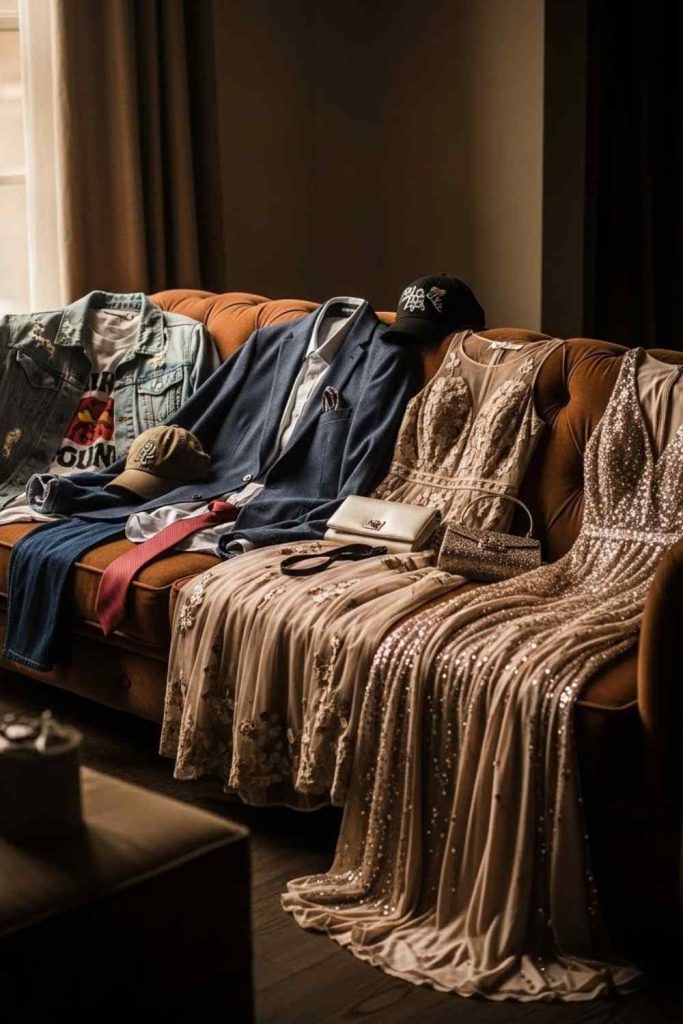
Skipping the dress code often leads to feeling out of place. Being overdressed can feel awkward, while being too casual may seem careless.
Always check the invite details. Words like “cocktail,” “casual,” or “formal” matter. When unsure, aim slightly dressy rather than too relaxed. Budget tip: adjust one piece to match the vibe.
Swap sneakers for flats. Add a blazer to a simple dress. Darker colors often feel more dressed-up without extra cost. Fabric choice also helps.
Satin, crepe, or structured cotton looks party-ready compared to jersey. When your outfit matches the event, confidence comes naturally. You spend less time worrying and more time enjoying conversations.
4. Choosing Style Over Comfort
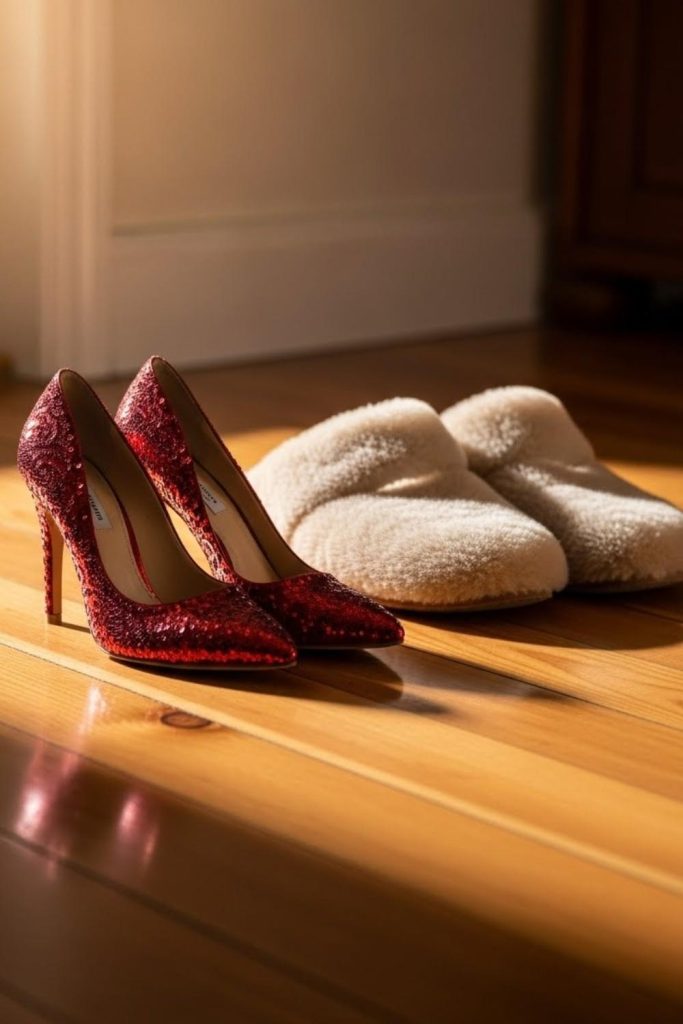
Uncomfortable outfits show quickly. Tight shoes, scratchy fabrics, or slipping straps distract you all night. Parties involve standing, walking, and socializing, so comfort matters.
A smart approach is testing outfits at home for at least 30 minutes. Sit, stand, and walk. Budget fix: gel insoles make heels easier to wear. Double-sided tape keeps necklines in place.
Soft linings feel better on skin than stiff materials. If heels hurt, block heels or dressy flats still look polished. Comfort allows better posture and relaxed movement. When you feel good physically, it reflects in how you interact with others.
5. Wearing Wrinkled or Poorly Prepped Clothes
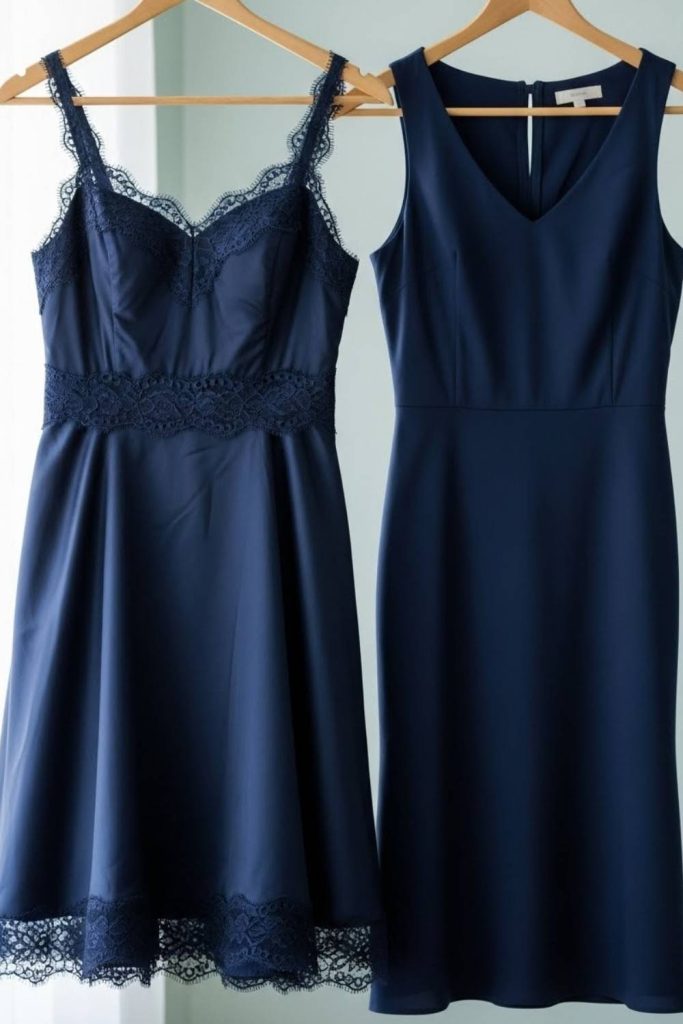
Wrinkles can make even expensive outfits look unfinished. Last-minute rushing often causes this mistake. Always check clothes under proper lighting before leaving.
Steamers are affordable and faster than ironing. A hot shower can help release light wrinkles in a pinch. Lint rollers remove dust, pet hair, and threads that cameras catch easily.
Check buttons, zippers, and hems for quick fixes. Keep a small prep kit with safety pins and stain wipes. Clean shoes and bags matter just as much as clothing.
These small steps take minutes but change the overall look. Prepared outfits appear intentional and calm.
6. Mixing Too Many Trends at Once
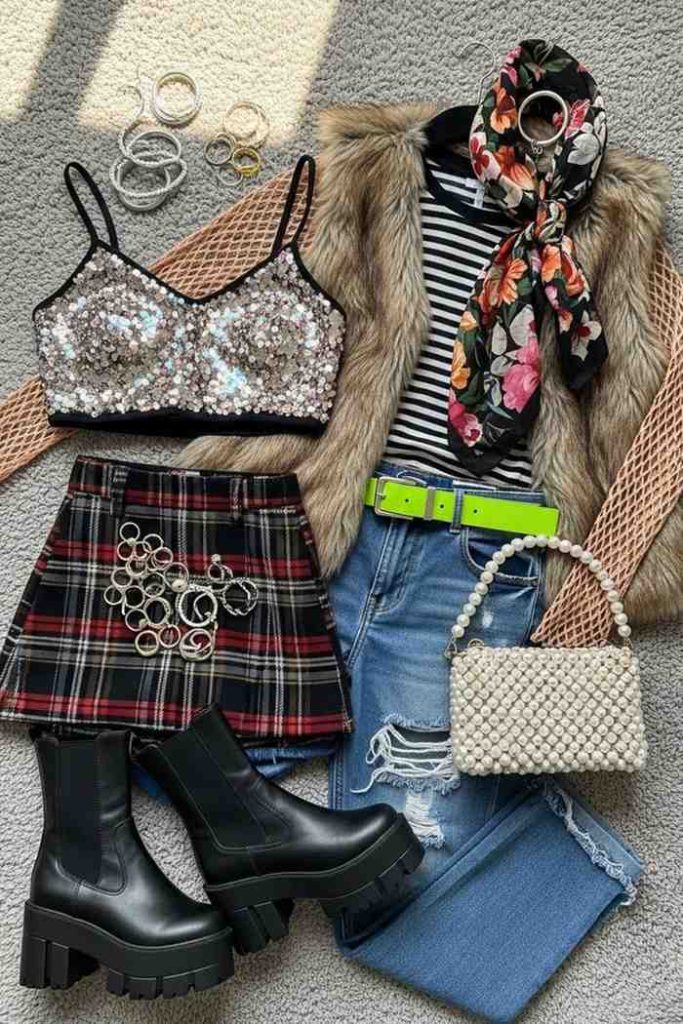
Trends change quickly, and wearing several at the same time can overwhelm your outfit. When everything stands out, nothing feels balanced.
A better approach is choosing one trend and keeping the rest simple. For example, pair wide-leg pants with a plain top, or wear a trendy color with classic shoes. Budget-friendly tip: use trends through accessories instead of clothing.
Trendy bags, earrings, or shoes cost less and feel easier to replace later. Neutral basics already in your wardrobe help ground bold items.
Check the mirror and remove one piece if the outfit feels loud. Simple outfits often look more put-together at parties. Clear styling helps others notice you, not just your clothes.
7. Wearing the Wrong Shoes for the Venue
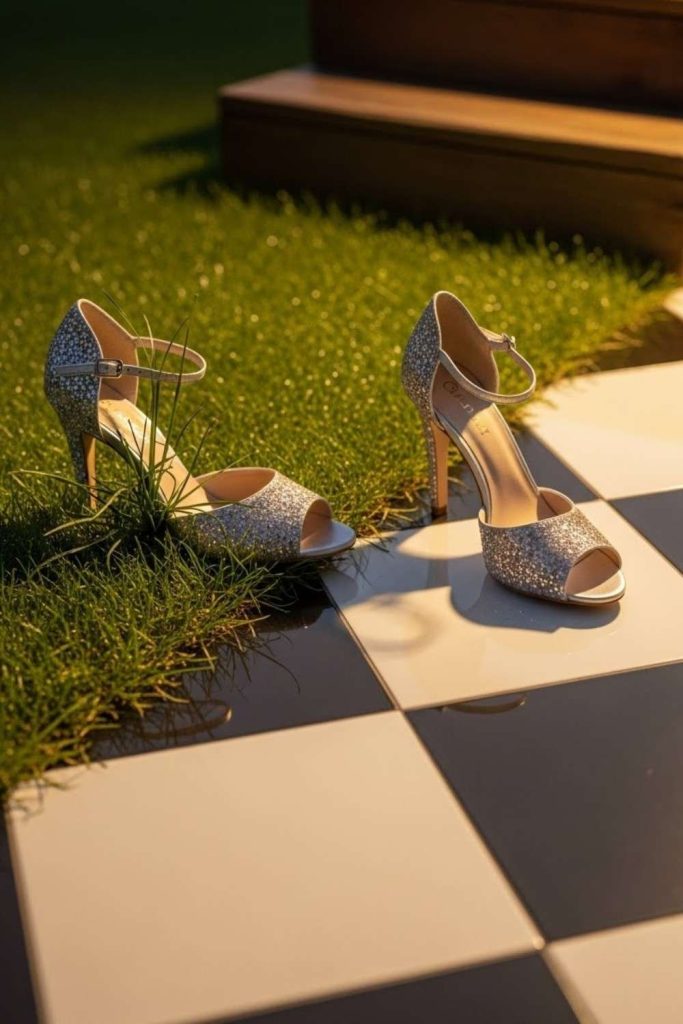
Shoes can quietly ruin an outfit if they don’t match the setting. Thin heels struggle on grass. Slippery soles feel unsafe on polished floors. Always think about the venue before picking footwear.
Budget fix: block heels, wedges, or dressy flats work for most events. Neutral shoes match more outfits, reducing the need to buy many pairs. Test shoes at home by walking for a few minutes.
If they hurt early, they won’t improve later. Carry foldable flats in your bag for long events. Clean soles and scuff-free heels matter too. Comfortable, venue-appropriate shoes help you move confidently and enjoy the party without distractions.
8. Wearing Colors That Clash Under Party Lighting
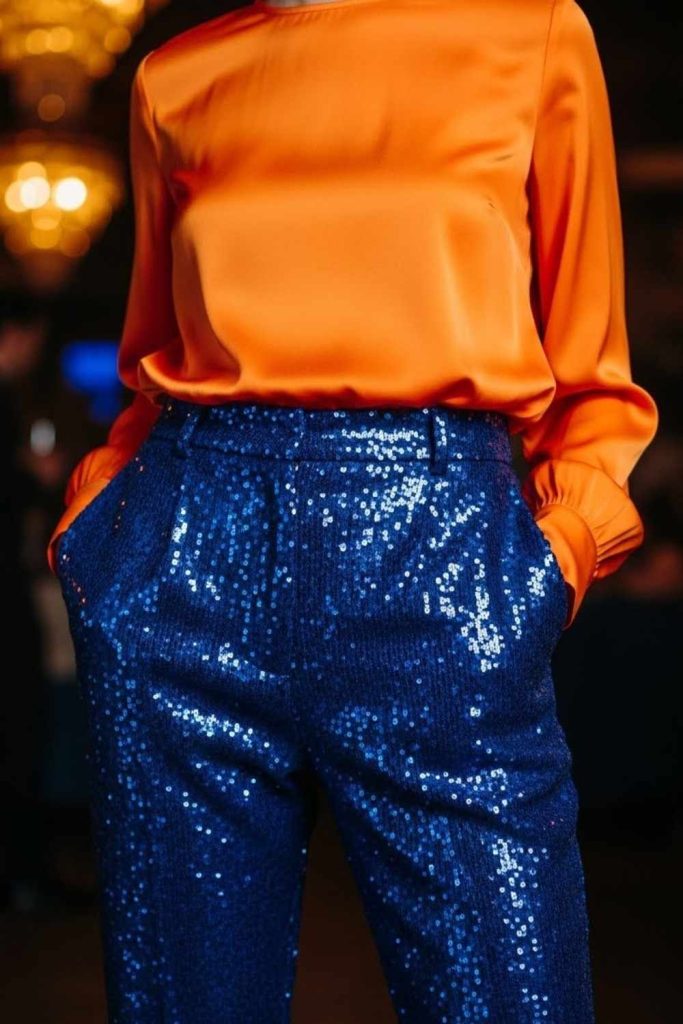
Party lighting changes how colors appear. Bright lights can wash out pale shades, while dark rooms may dull certain tones. Always check your outfit under indoor lighting, not just daylight.
Budget tip: darker neutrals like navy, charcoal, or deep green perform well in most settings. Shiny fabrics reflect light and draw attention, while matte fabrics feel calmer.
Avoid mixing too many strong colors together. One bold color paired with softer tones feels balanced. If unsure, take a quick phone photo indoors.
Cameras reveal color issues clearly. Thoughtful color choices help your outfit look consistent in real life and photos.
9. Forgetting About Hair and Makeup Balance
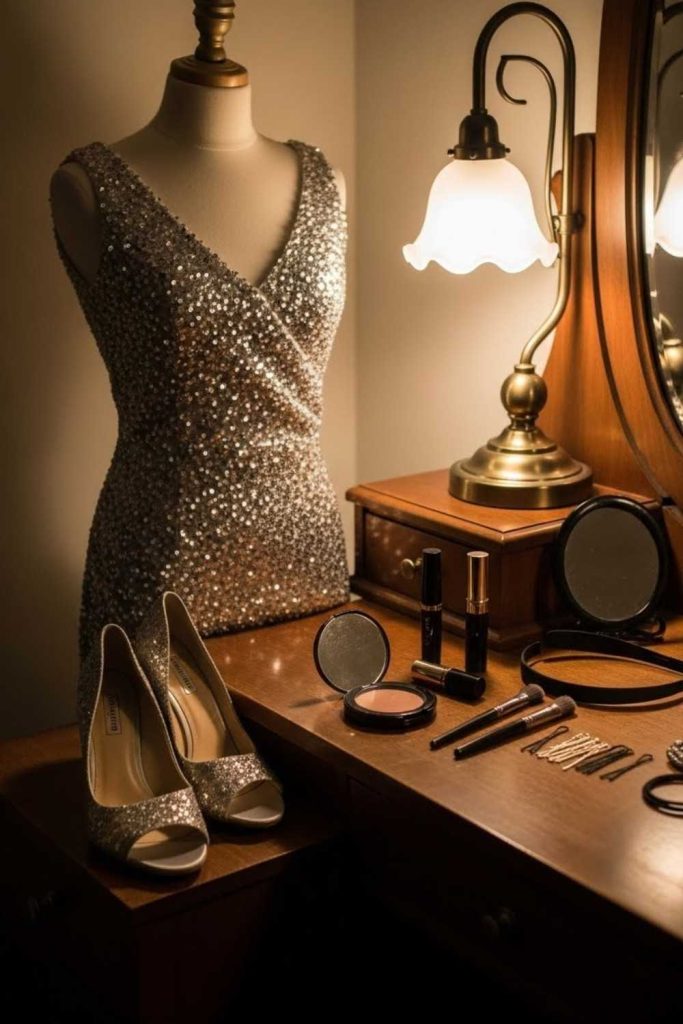
Outfits don’t stand alone. Hair and makeup affect the overall look. Heavy makeup with a bold outfit can feel excessive, while minimal makeup with a dramatic dress may feel unfinished.
Aim for balance. If your outfit stands out, keep hair simple. If clothes are minimal, add interest through makeup or hairstyle. Budget tip: neat hair matters more than complex styles.
A clean ponytail or soft waves work well. Use products you already own. Blotting papers and lip balm keep things tidy during the event. Balanced styling looks calm and intentional, helping your outfit feel complete.
10. Not Doing a Full Outfit Test Before Leaving
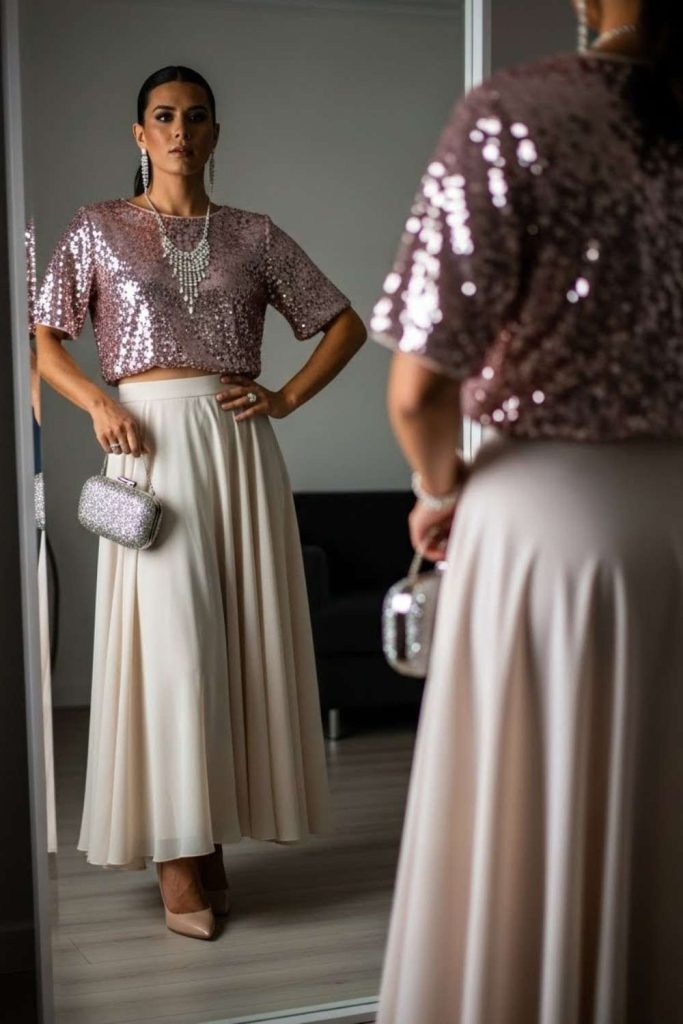
Skipping a full outfit test causes last-minute stress. Always try everything together, including shoes, bag, and accessories. Walk around, sit down, and check mirrors from different angles.
Budget fix: take photos instead of relying only on mirrors. Cameras reveal fit issues and styling gaps. Look for slipping straps, awkward lengths, or clashing colors.
Adjust early rather than rushing before the event. Keep backup options ready, like neutral shoes or a simple jacket. A tested outfit saves time and confidence. You arrive calm, prepared, and ready to enjoy the party.
Conclusion
Party outfits don’t fail because of price or trends. They fail due to small, avoidable choices. By fixing these last five mistakes, your look becomes cleaner, calmer, and more confident.
Simple planning, comfort checks, and balanced styling make a visible difference. Use these tips before your next event, and your outfit will feel ready the moment you step out the door.