
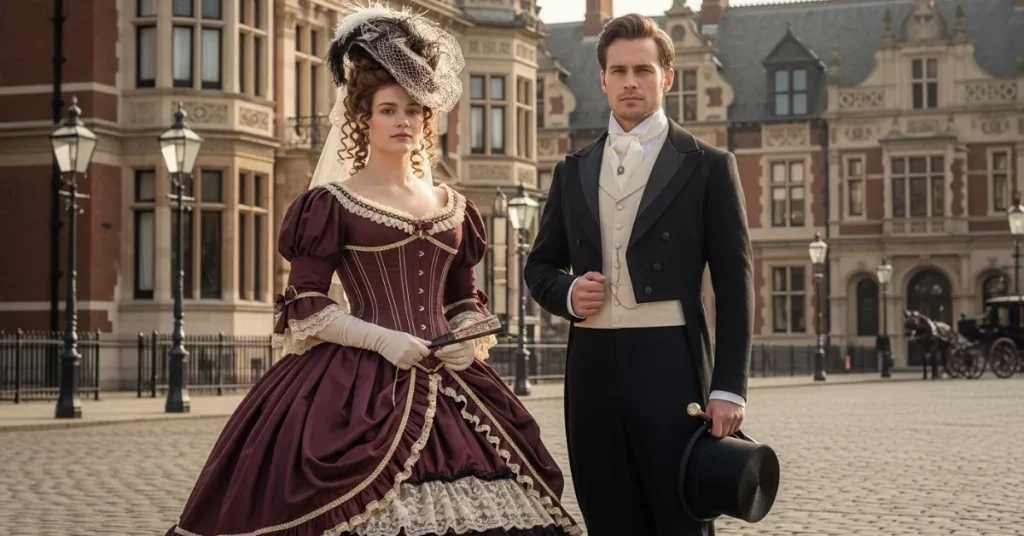
Victorian fashion shaped how people dressed, moved, and even behaved during the 19th century. When I study these outfits, I don’t just see clothing. I see social rules, class signals, and daily life stitched into every seam.
From dramatic corseted gowns to sharply tailored men’s coats, Victorian style was structured and expressive at the same time. In this guide, I’ll walk you through the first seven key styles and influences that defined the era for both women and men.
1. Early Victorian Day Dresses
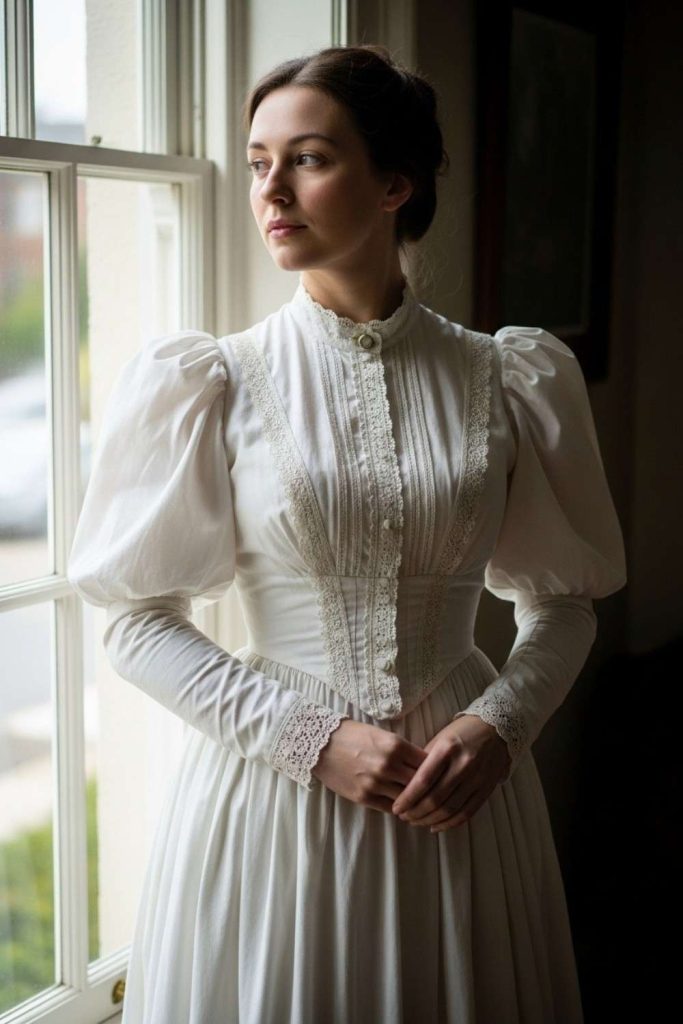
Early Victorian dresses were modest but detailed. I notice how the bodice fits closely while the skirt falls wide and full. Women often wore layers underneath to create that shape. Cotton and wool were common for everyday wear. Lace collars and brooches added small decorative touches.
If I wanted to recreate this look on a budget, I would start with a long A-line skirt and a fitted blouse. Adding a detachable lace collar instantly gives a historical feel. Thrift stores are great for finding high-neck blouses.
The key feature is structure. Sleeves were slightly puffed at the shoulders. Waistlines were natural, not dropped. The look feels romantic but controlled. It reflects how society valued modesty and order during this period.
2. The Corset Silhouette
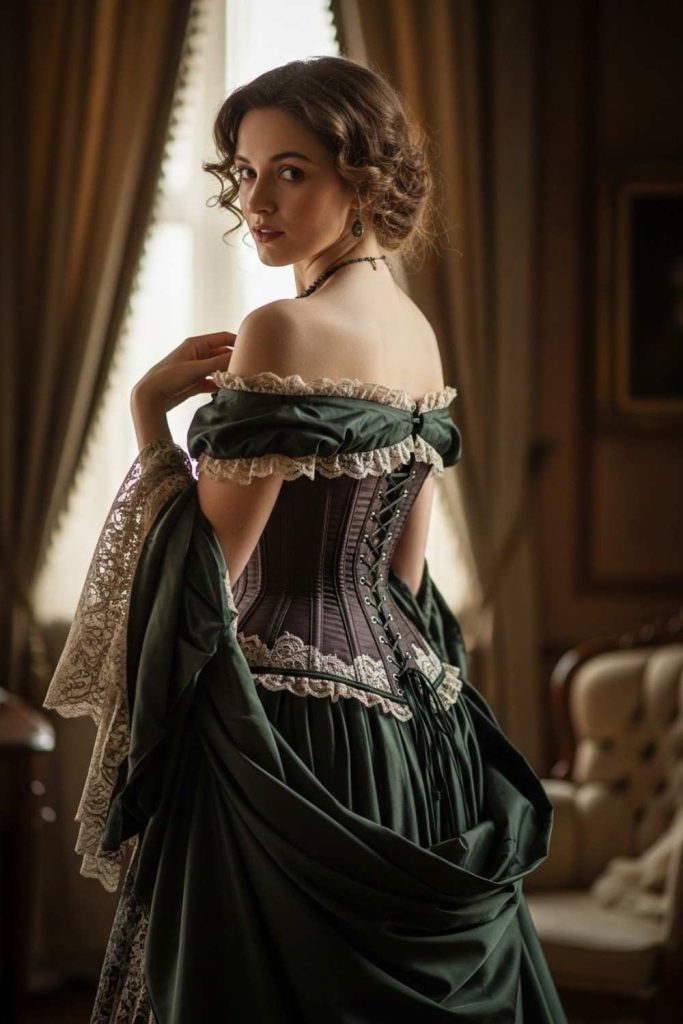
The corset defined Victorian fashion. When I look at portraits from this time, I immediately see the hourglass figure. The waist appears very small compared to the hips and bust.
Corsets were worn daily. They were not just for special occasions. Women used them to shape posture and create a smooth line under clothing.
To recreate this style today, I would choose a modern corset-style belt over a dress. It gives structure without discomfort. You can also layer a fitted vest over a long skirt to imitate the silhouette.
The corset influenced more than fashion. It shaped how women moved and sat. Clothing controlled the body in visible ways. That’s why it remains one of the most recognizable elements of the era.
3. The Frock Coat for Men
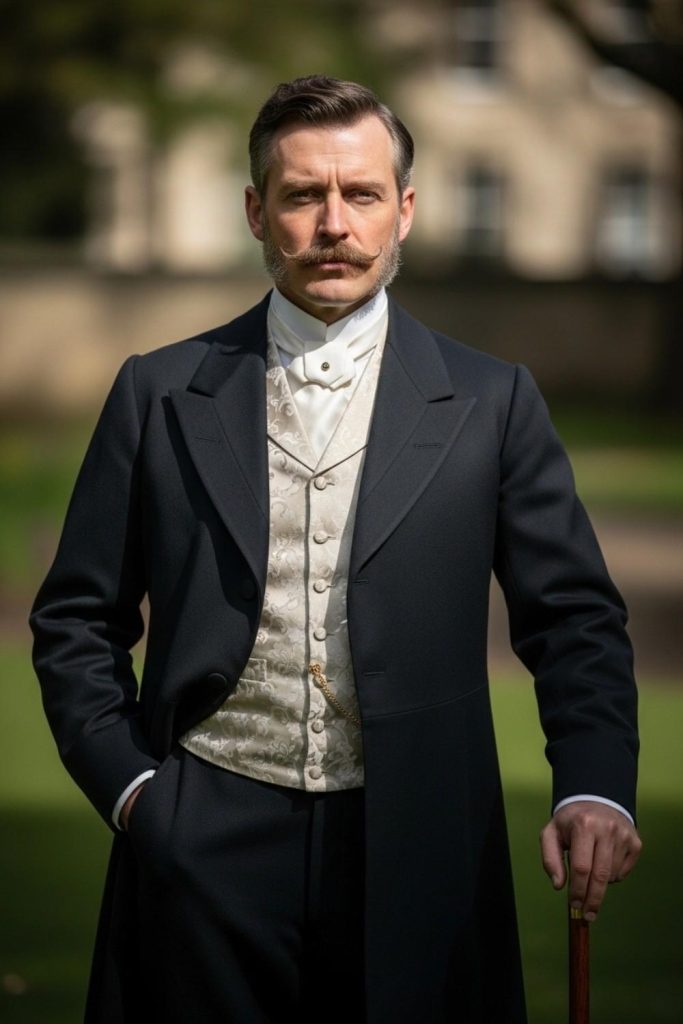
Men’s Victorian fashion centered around the frock coat. I see this as the backbone of formal male attire during the early period. It was long, fitted at the waist, and flared slightly at the skirt.
Underneath, men wore waistcoats and crisp shirts. Dark colors like black, navy, and charcoal were common. The look feels serious and polished.
To recreate this affordably, I would start with a long tailored blazer or thrifted overcoat. Pair it with slim trousers and a buttoned vest. Structure matters more than brand names.
This coat reflected status and discipline. It showed that a man was respectable and responsible. Even today, modern suits borrow elements from this classic design.
4. Crinoline Skirts
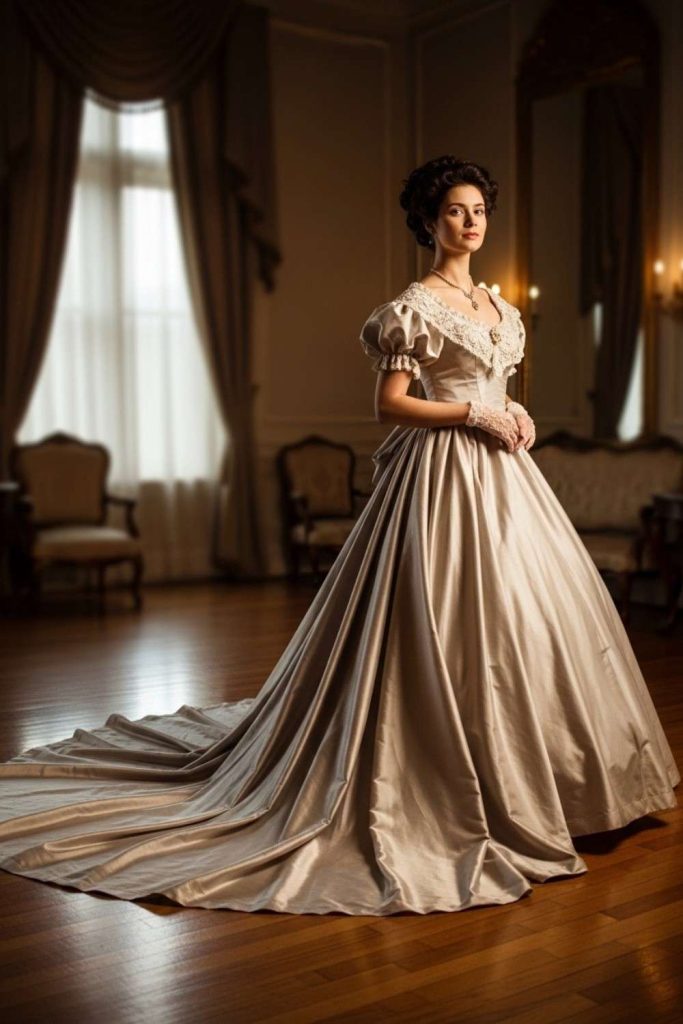
Crinolines created dramatic width in women’s skirts. When I see images from the 1850s, the bell shape is impossible to ignore. Steel hoops under the skirt gave it volume.
This style made walking through doorways difficult. Still, it symbolized wealth. More fabric meant higher cost.
To recreate this look casually, I would use a layered petticoat under a maxi skirt. Even tulle layers can mimic the fullness without heavy structure.
The crinoline era shows how fashion often prioritized appearance over comfort. The wide silhouette became a visual marker of mid-Victorian style.
5. The Iconic Top Hat
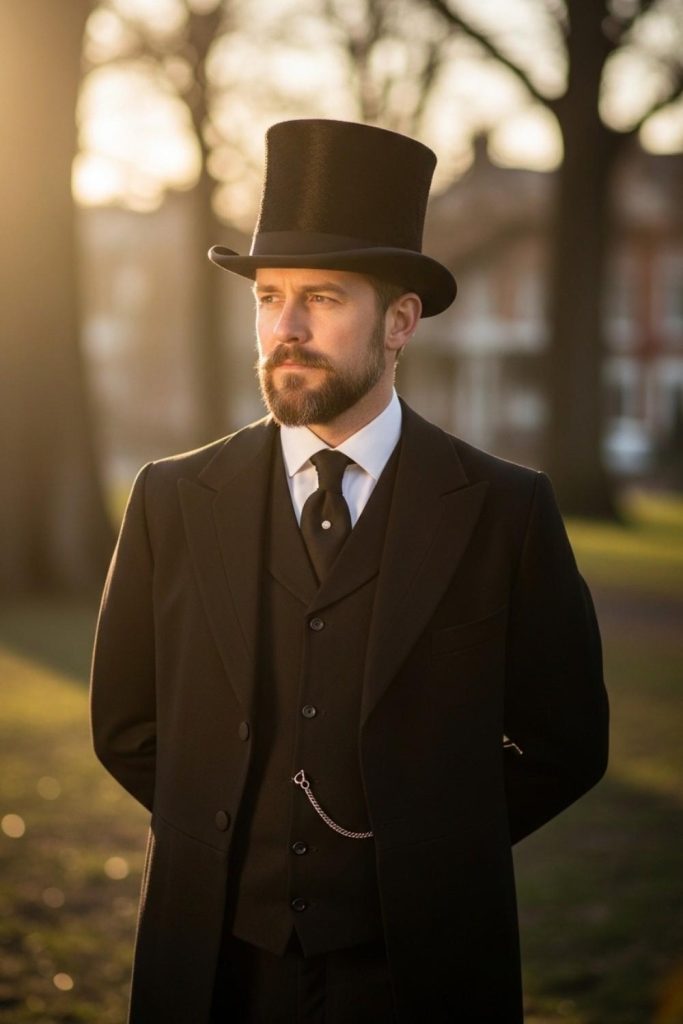
The top hat instantly signals Victorian masculinity. I associate it with city life, business, and social events. It was tall and cylindrical, usually black. Men wore it with frock coats or formal evening attire.
Today, I could reinterpret this by wearing a structured fedora with a tailored coat. The idea is height and formality.
The hat was more than decoration. It signaled class and confidence. Even in modern costume design, the top hat remains a strong visual reference to the era.
6. Gloves and Parasols
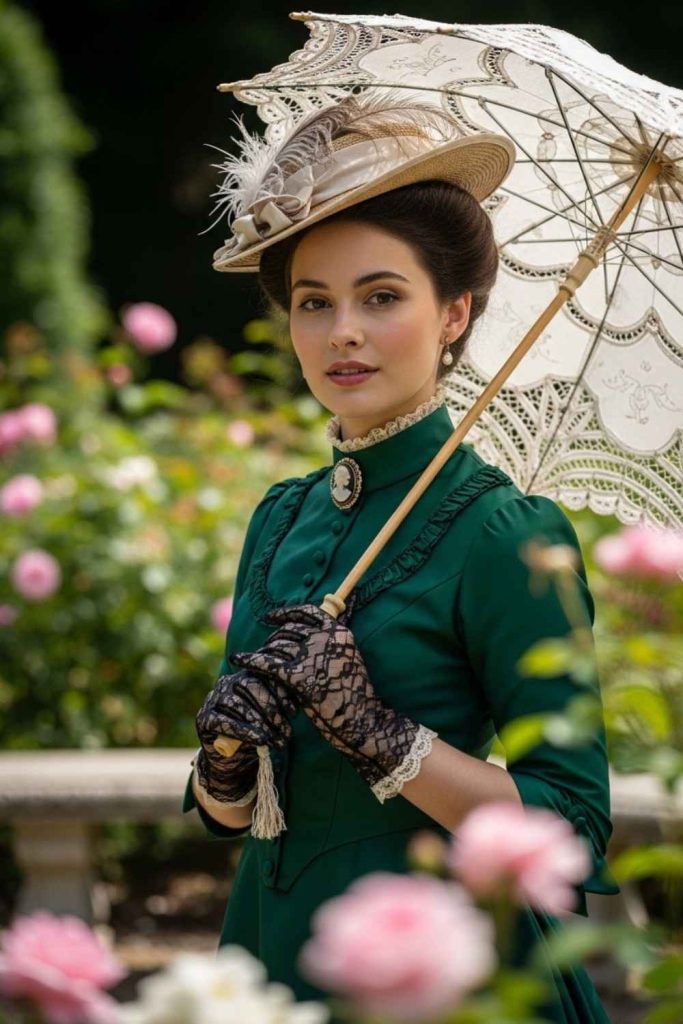
Accessories mattered deeply in Victorian fashion. Gloves and parasols completed a woman’s outfit. I see them as symbols of refinement.
Gloves were worn outdoors and indoors during social visits. Parasols protected skin from sun exposure. Pale skin was associated with wealth.
To recreate this style, I would use lace gloves from a costume shop and pair them with a vintage-inspired dress. A neutral umbrella can mimic a parasol for photos.
These small details carried strong social meaning. They showed that appearance was carefully managed.
7. Mourning Fashion
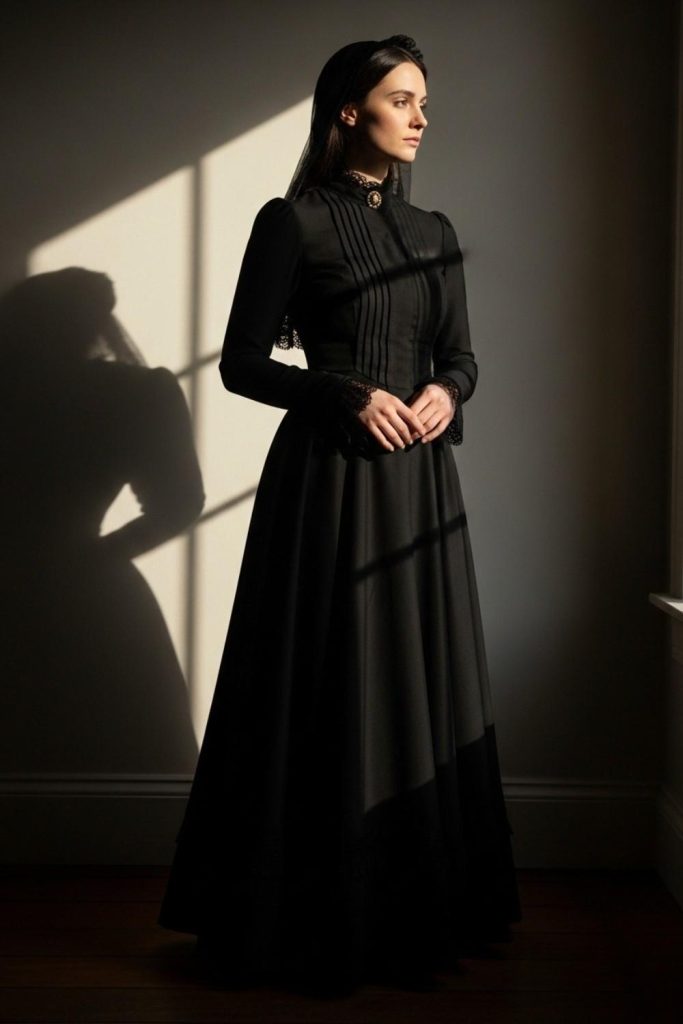
Victorian mourning clothing followed strict rules. I notice how black dominated these outfits. Fabric choices like crepe and matte silk reduced shine.
Widows wore full black for extended periods. Jewelry was simple, sometimes made from jet.
To recreate this respectfully for historical styling, I would focus on an all-black high-neck dress with minimal decoration. Texture becomes important when color is limited.
Mourning fashion reveals how clothing expressed emotion publicly. Dress codes communicated personal loss to society.
8. The Bustle Era
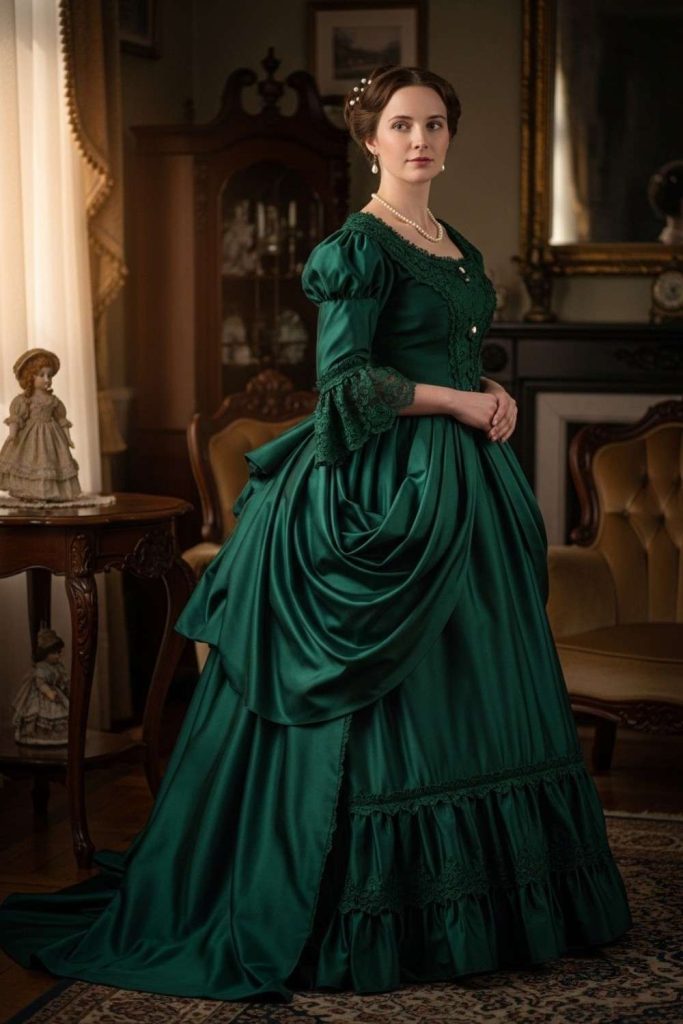
When I look at late Victorian fashion, the bustle immediately stands out. Instead of wide skirts all around, volume shifted to the back. Fabric was gathered, layered, and sometimes padded to create that dramatic shape.
The front of the dress stayed relatively slim. The back carried all the attention. Walking in a bustle required practice, but the silhouette was bold and elegant.
If I wanted to recreate this look affordably, I would pin fabric at the back of a long skirt to create gathered volume. A structured belt helps define the waist. Thrifted maxi skirts work perfectly for this DIY idea.
The bustle era shows how trends shift even within one period. Victorian fashion was not static. It evolved while still holding onto structure and formality.
9. The Tailcoat and Evening Wear
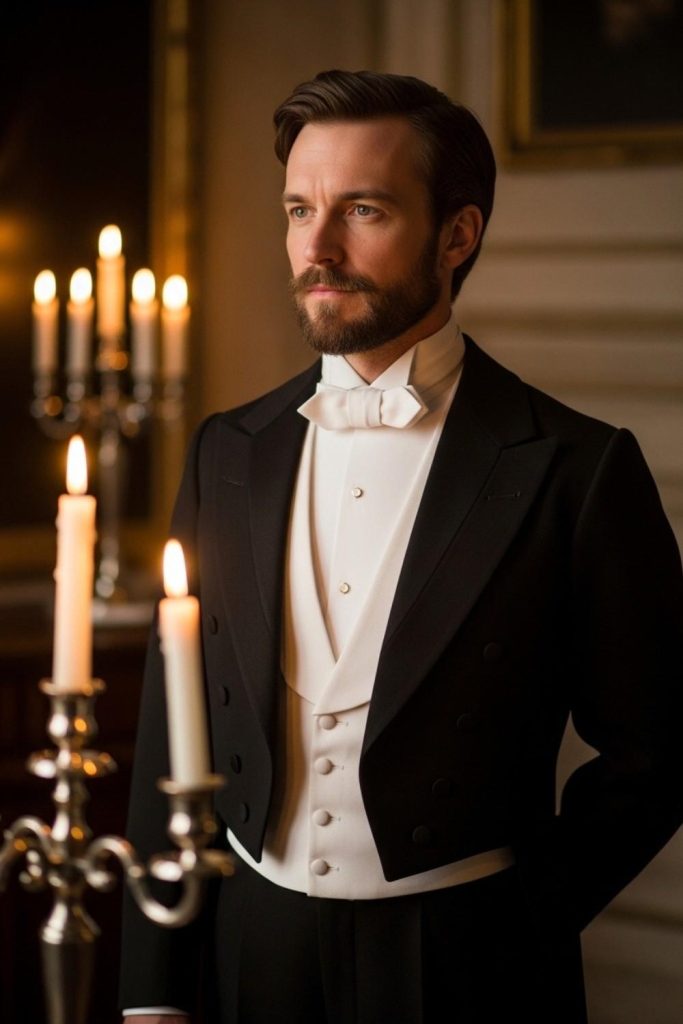
Evening wear became more refined in the late Victorian period. I notice how the tailcoat replaced the frock coat for formal events. The back was cut away, creating long tails.
Men paired it with a white shirt, waistcoat, and bow tie. Black dominated formal attire. The look was sharp and controlled.
To recreate this style without spending much, I would use a fitted black blazer and dark trousers. A white shirt and simple bow tie complete the look. Thrift shops often carry formal jackets at low prices.
The tailcoat marked social events and class distinction. Clothing clearly signaled when a man was attending dinner, theater, or a formal gathering.
10. Leg-of-Mutton Sleeves
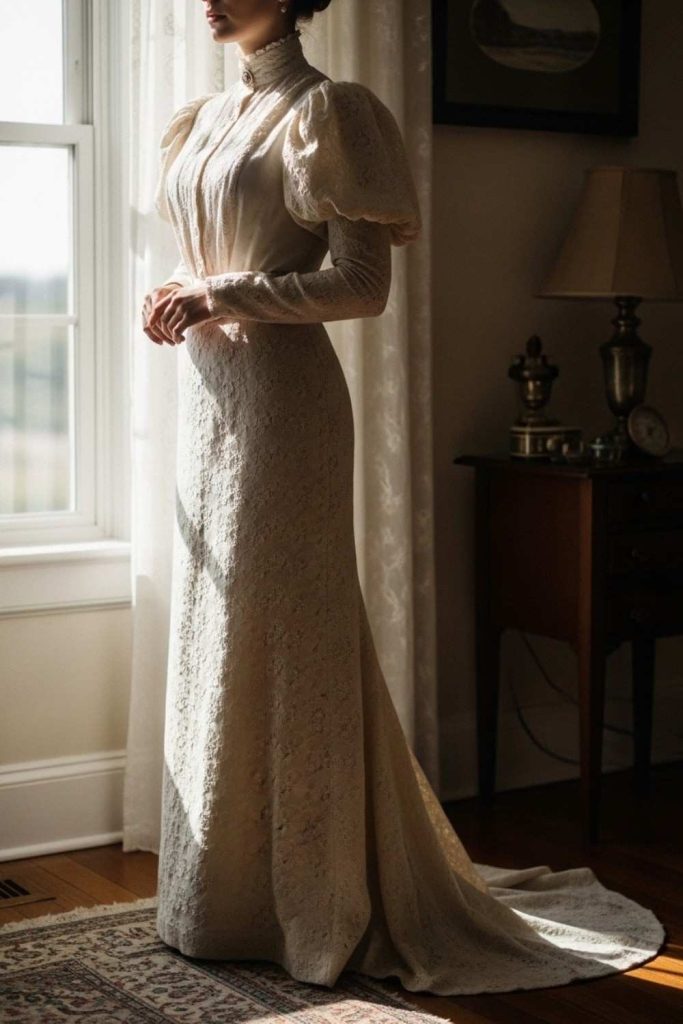
By the 1890s, sleeves grew dramatically at the shoulders. I find leg-of-mutton sleeves fascinating because they add volume at the top while the forearm stays fitted.
This design balanced the narrower skirt silhouettes of the time. The shoulders looked broad and strong.
To recreate this today, I would choose a blouse with puffed shoulders and pair it with a simple long skirt. Even modern tops with structured sleeves can capture the effect. Look for pieces in thrift stores with dramatic shoulders.
This style reflects shifting ideas about femininity. The shape became more upright and assertive compared to earlier soft curves.
11. Victorian Boots
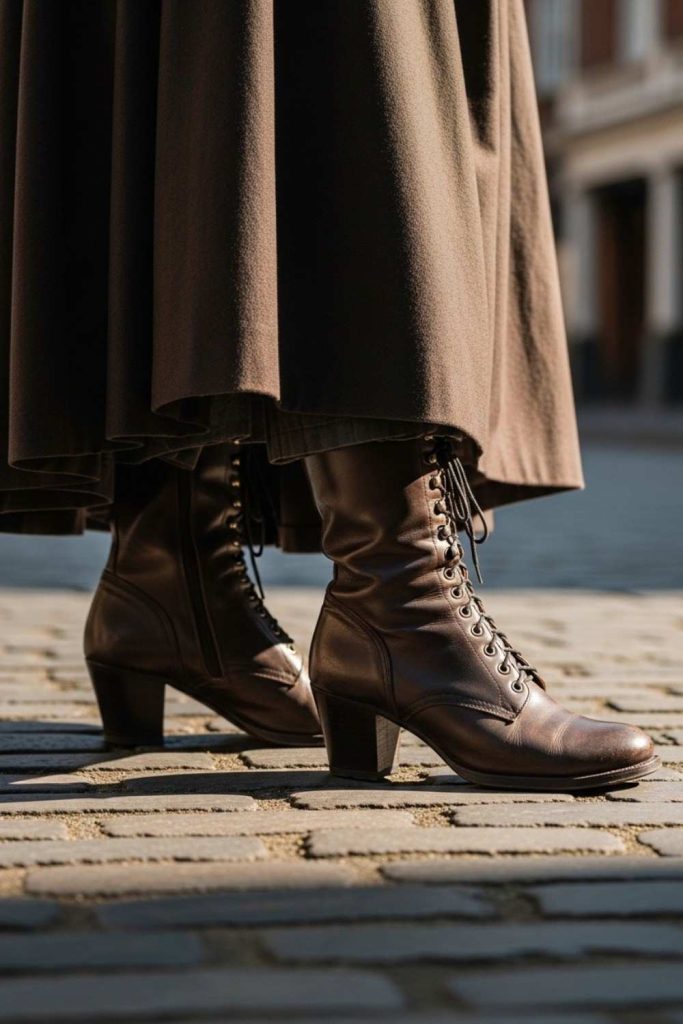
Footwear completed the Victorian outfit. I notice lace-up ankle boots were common for women. Men also wore polished leather boots or formal shoes.
Buttons or laces ran up the front or side. Heels were modest but defined.
If I wanted this look now, I would choose lace-up ankle boots in black or brown. Many affordable brands carry vintage-inspired designs. Pair them with a long skirt or tailored trousers.
Shoes reflected daily life. Streets were rough, so sturdy construction mattered. Victorian boots balanced practicality with style.
12. Decorative Hats and Millinery
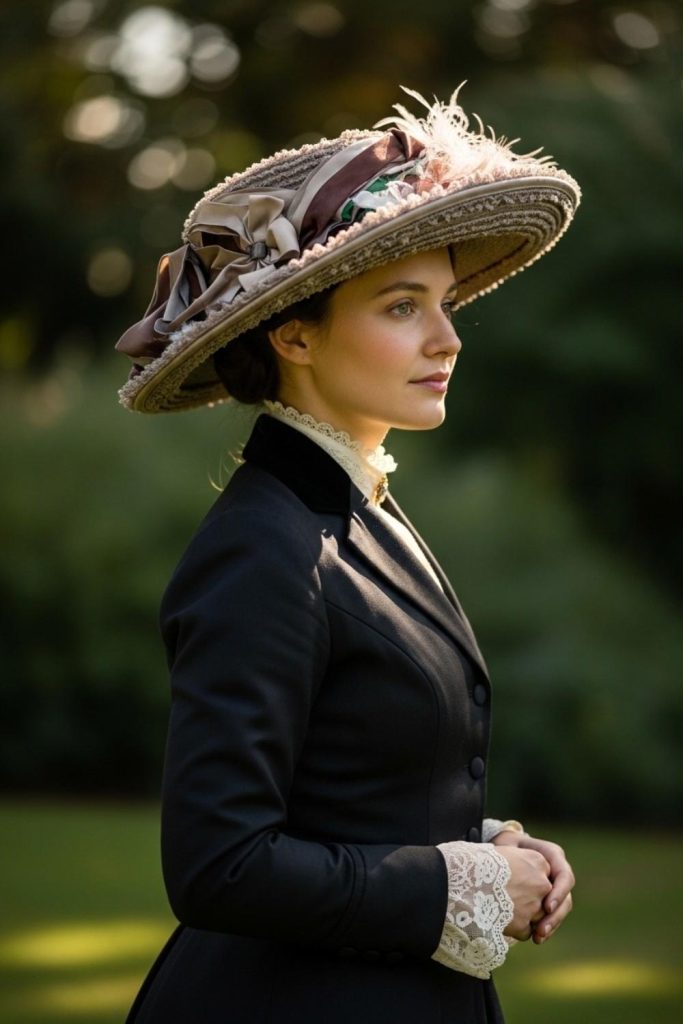
Hats became more elaborate toward the end of the century. I see wide brims decorated with feathers, ribbons, and flowers. These hats framed the face and balanced large sleeves or bustles. They were worn outdoors and during social visits.
To recreate this style affordably, I would start with a simple wide-brim hat and attach ribbons or faux flowers using pins. Craft stores sell materials at low cost.
Millinery allowed personality to show. While dresses followed structure, hats offered creative detail.
13. Riding Habits and Practical Wear
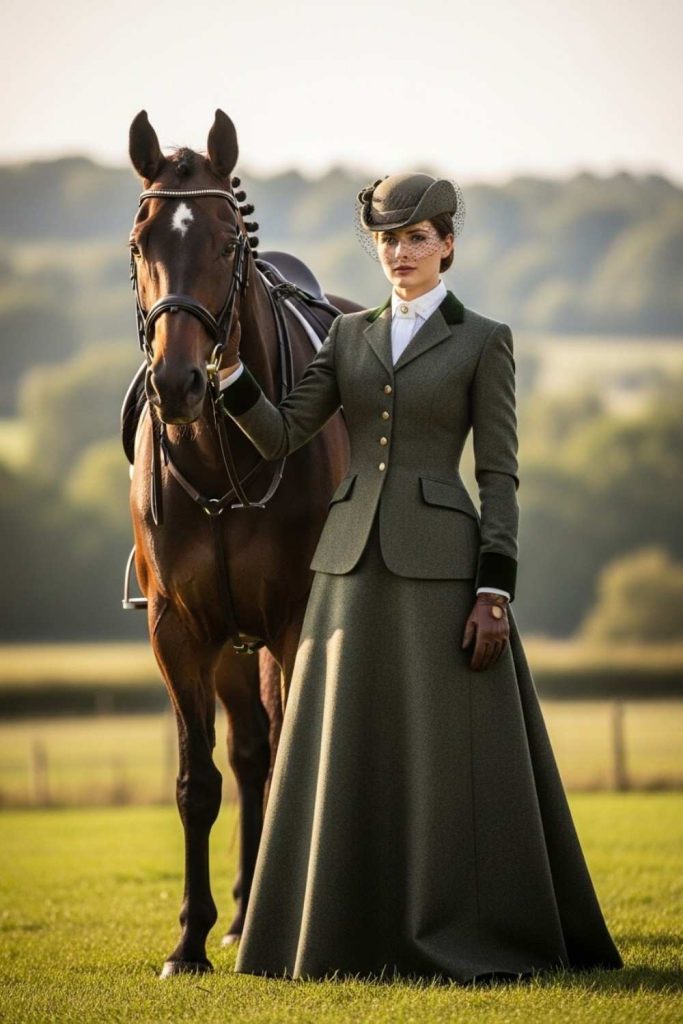
Victorian women also wore practical outfits for activities like horseback riding. I find riding habits interesting because they borrowed elements from men’s tailoring.
The jacket was fitted and structured. The skirt allowed movement while maintaining modesty.
To recreate this style, I would pair a fitted blazer with a long skirt. Dark neutral colors help maintain the historical feel. Thrifted blazers work perfectly for this.
This shift toward activity-based clothing hints at changing roles. Fashion slowly adapted to women participating in more public life.
14. Victorian Fashion’s Influence Today
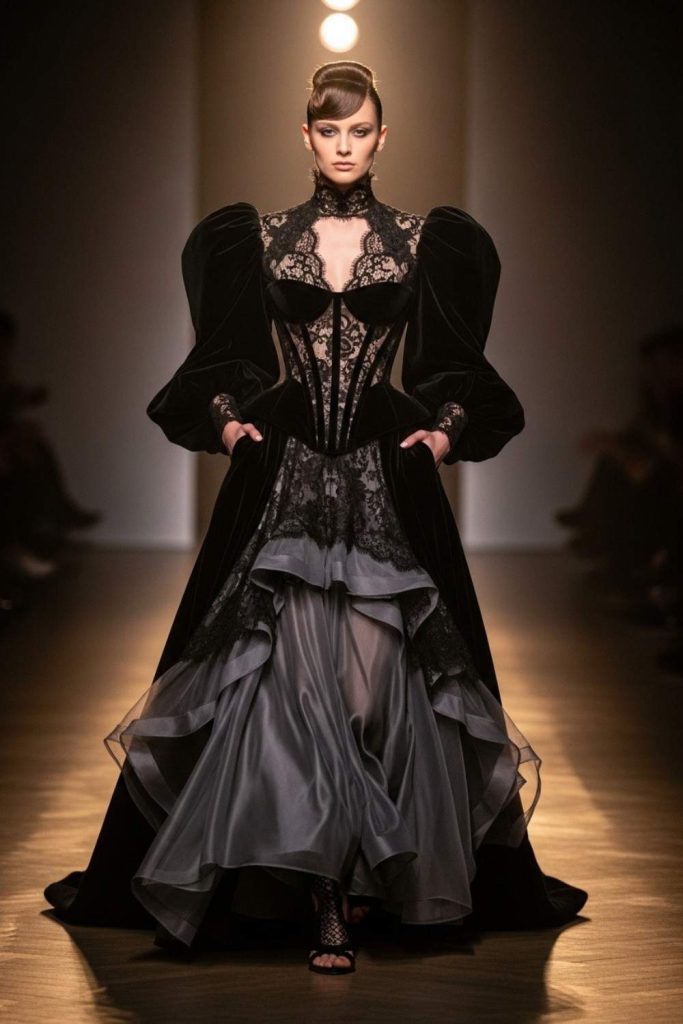
I still see Victorian fashion influencing modern style. Corset tops, high-neck blouses, and dramatic sleeves appear in runway collections and streetwear.
Designers often reinterpret the hourglass shape. Dark romantic themes also reference mourning attire and lace details.
If I want to bring Victorian influence into everyday outfits, I choose one statement piece. A corset-style belt. A high-neck blouse. Lace gloves for photos.
There is no need to copy the entire outfit. Small elements create a historical nod without looking like a costume.
Victorian fashion remains powerful because it combined structure, symbolism, and strong silhouettes. Its influence continues to shape how we dress today.
Conclusion
Victorian fashion for women and men was structured, expressive, and deeply connected to social identity.
From corsets and bustles to frock coats and tailcoats, each piece reflected status, gender roles, and daily life. When I study these styles, I see more than clothing. I see how fabric and tailoring shaped movement, posture, and public image.
Today, I can reinterpret these looks in simple ways. A structured jacket. A puffed sleeve blouse. Lace details. Small adjustments bring historical character into modern wardrobes without high cost.
Victorian fashion remains influential because its silhouettes are strong and recognizable. By understanding its history, I gain inspiration for personal style that feels intentional and timeless.