Couture fashion sits between art and daily wear dreams. People admire it for the craft, but often think it’s out of reach. Modern couture changes that idea.
Today’s designers mix classic handwork with bold shapes, wearable styling, and smarter fabric choices. This list explores how couture fashion is evolving in realistic ways.
You’ll see how traditional skills meet modern taste, and how everyday inspiration can come from runway-level detail. Each idea focuses on visual impact, thoughtful design, and small ways to borrow couture style without overspending.
1. Sculpted Silhouette Gowns
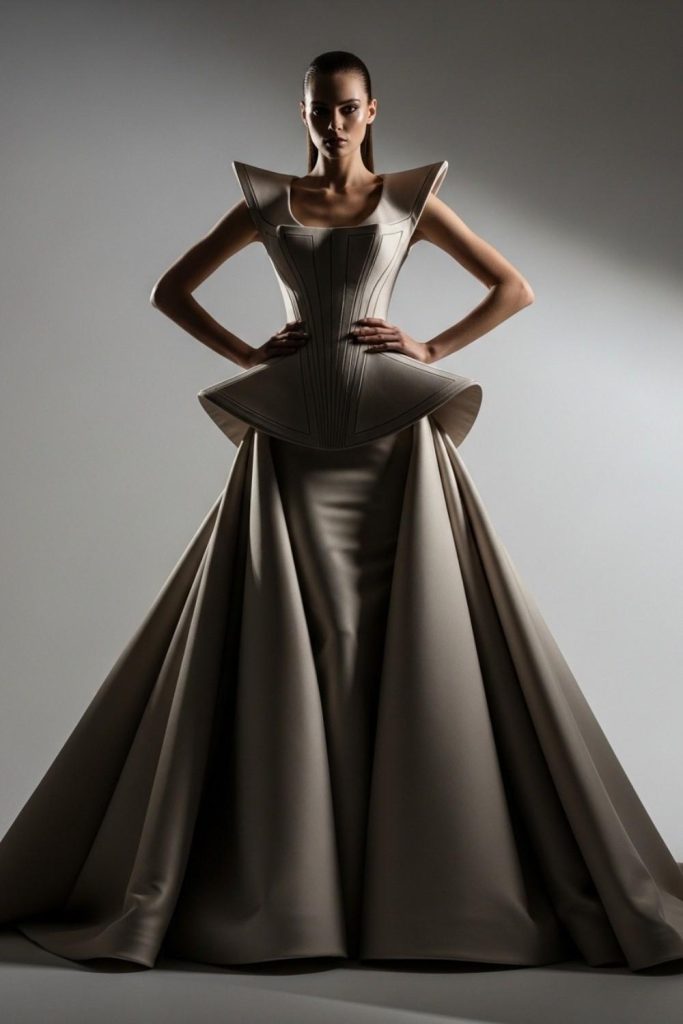
Sculpted silhouette gowns focus on shape above all else. The structure comes from careful cutting, inner boning, and layered fabric. You’ll notice sharp waists, defined hips, and smooth flow from top to hem.
This style feels dramatic but controlled. At home, you can echo this look with tailoring tricks. Add darts to dresses. Use a wide belt to shape the waist. Choose thicker fabrics that hold form. Even thrifted pieces can be altered for structure.
The goal is clean lines, not excess decoration. Keep colors simple so the shape stands out. These gowns show how couture relies on fit more than flash.
When the cut is right, the outfit speaks for itself. This idea works well for formal events or styled photos. It’s bold, but still grounded in classic technique.
2. Hand-Embroidered Statement Panels
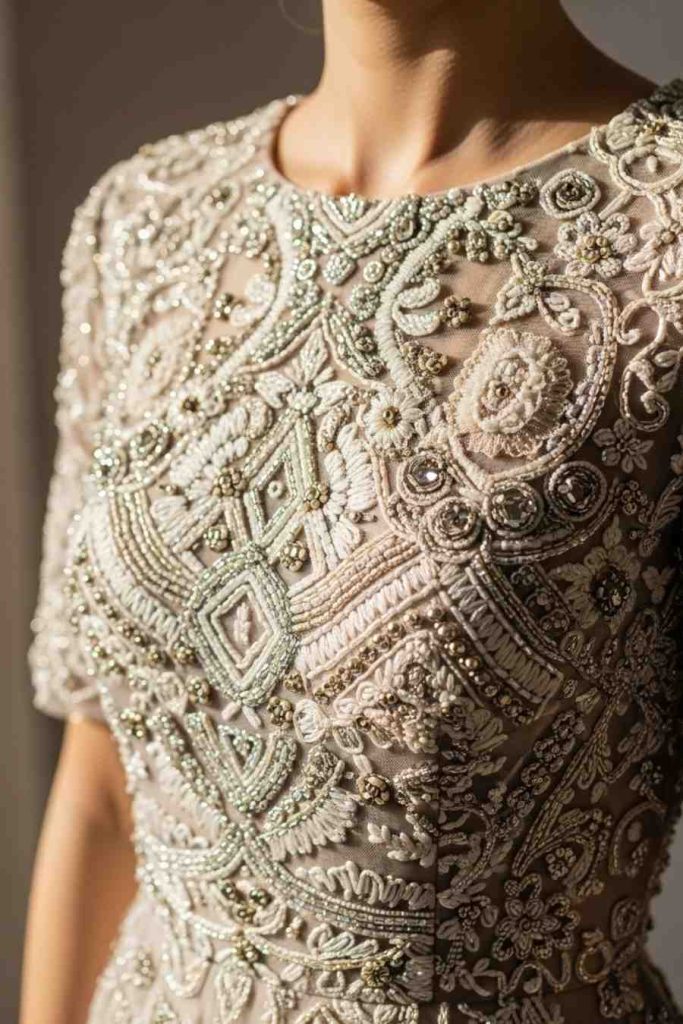
Statement embroidery panels turn garments into art. Instead of covering the whole piece, designers focus embroidery in one area. Think bodices, cuffs, or center panels.
This keeps the look balanced. You can try this idea with small DIY projects. Hand-stitch simple patterns onto a jacket back or sleeve. Use basic thread or leftover beads. Keep the base garment plain.
This contrast makes the detail pop. Couture uses time and patience, not just luxury materials. Even slow stitching at home creates personal value.
The key is placement. One strong area draws attention without looking busy. This method works well on coats, skirts, and dresses. It proves that couture fashion can feel personal, not distant or untouchable.
3. Modern Corsetry Layers
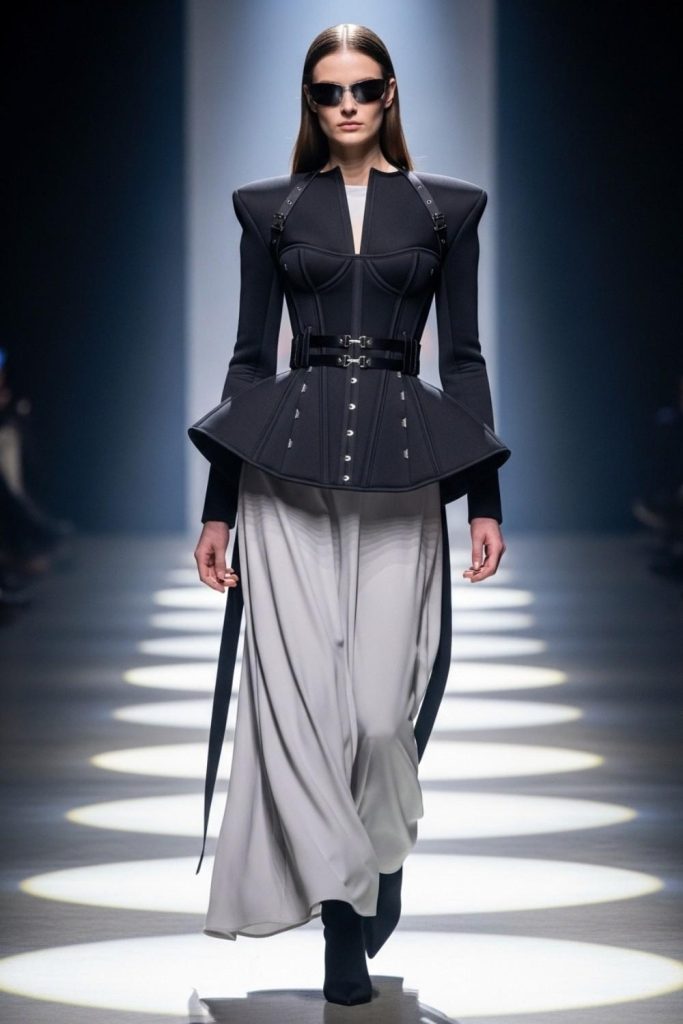
Modern corsetry has moved beyond old rules. Today, corsets sit on top of dresses, shirts, or even coats. The focus is shape, not restriction. Soft boning and flexible fabrics make them wearable.
You can recreate this style with budget-friendly finds. Look for corset belts or structured waist cinchers. Layer them over flowy dresses or long shirts. This adds instant couture drama.
Keep the rest of the outfit simple. Neutral tones work best. The beauty of modern corsetry lies in contrast. Soft meets firm. Loose meets shaped.
Couture often plays with balance, and this is a clear example. It’s wearable, bold, and adaptable for real life styling.
4. Architectural Sleeve Designs
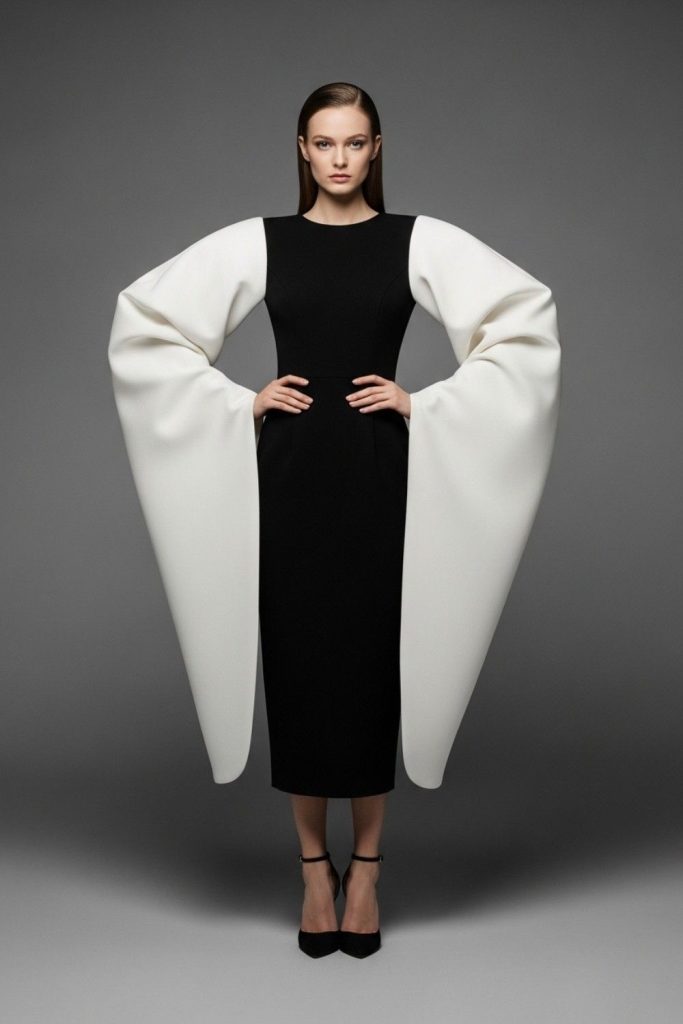
Sleeves have become a main feature in couture fashion. Oversized, curved, or sharply folded sleeves add visual interest without extra decoration. These designs rely on fabric control and pattern skill.
For everyday wear, try tops with puffed or structured sleeves. You can also add shoulder pads for shape. Choose stiff cotton or taffeta-style fabrics. Keep the body of the outfit simple.
When sleeves stand out, everything else steps back. This approach shows how couture uses form to create impact. It’s not about sparkle.
It’s about silhouette. Statement sleeves work well for photos, events, or styled content. They turn basic outfits into conversation pieces.
5. Couture Draping with Soft Fabrics
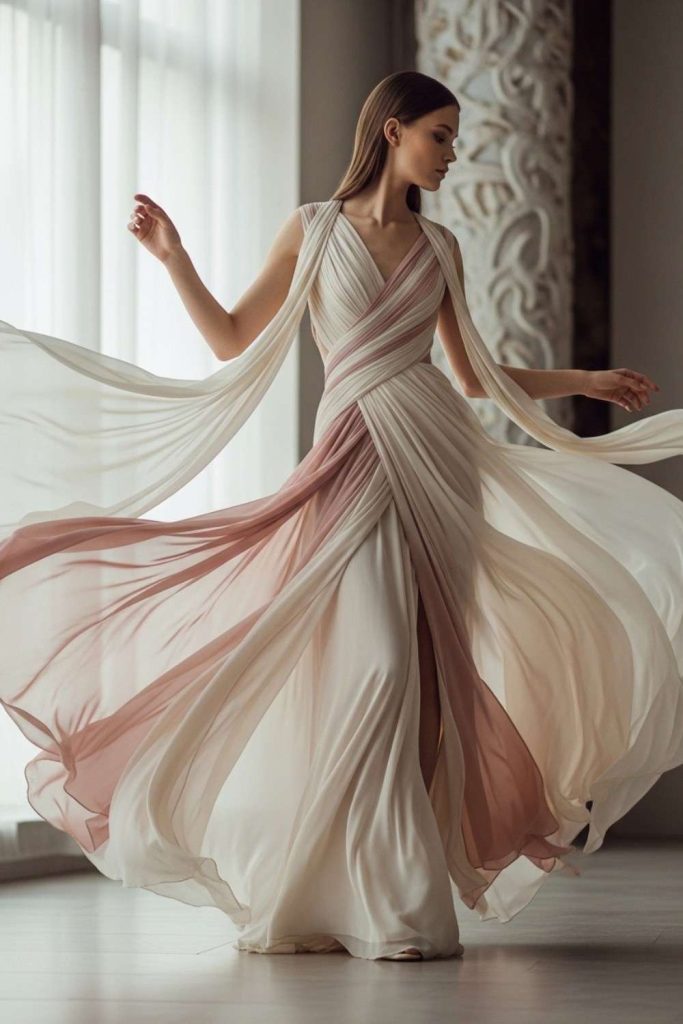
Draping is one of couture’s oldest skills. Modern versions keep it relaxed and wearable. Soft fabrics like chiffon or silk fall naturally across the body. The result feels effortless but intentional.
You can practice this at home with scarves or shawls. Pin fabric across one shoulder. Wrap it asymmetrically around the waist. Let gravity guide the shape. Couture draping celebrates movement.
It doesn’t rely on stiff rules. Neutral shades highlight the folds better than loud prints. This style works well for dresses, skirts, and evening looks. It proves that couture fashion can feel calm and fluid, not rigid or formal.
6. Minimal Color, Maximum Detail
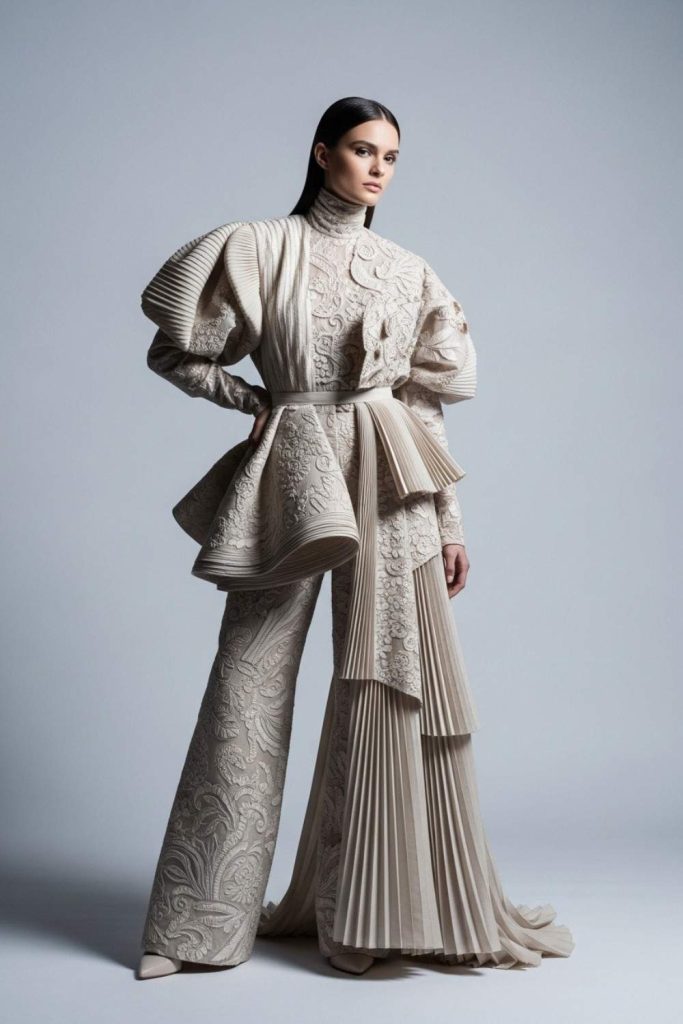
Many couture looks use one color from head to toe. The interest comes from texture, stitching, and shape. This approach keeps the outfit refined.
At home, try monochrome dressing. Use similar shades in different fabrics. Cotton with satin. Knit with woven. Small differences add depth. This styling choice saves money too.
You don’t need patterns or prints. Focus on quality and fit. Couture often hides its effort behind simplicity. This idea shows how restraint can feel powerful. It’s calm, polished, and timeless.
7. Couture-Inspired Capes and Overlays
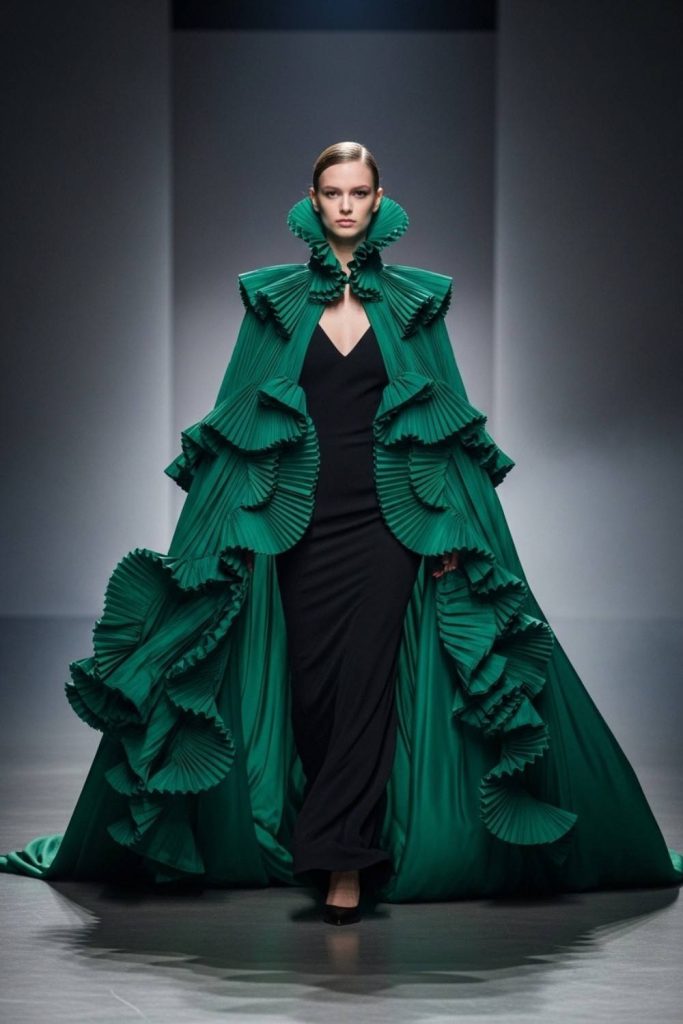
Capes bring drama without complexity. Couture designers use them as overlays to change the whole look. Sheer or structured, capes add movement and presence.
You can recreate this with lightweight wraps or long scarves. Drape them over shoulders and secure with a brooch. Keep the base outfit simple. Capes work well for evening wear and formal moments.
They feel theatrical but wearable. This idea highlights how couture uses layering instead of excess pieces. One strong overlay transforms everything underneath.
8. Exposed Seams and Construction Details
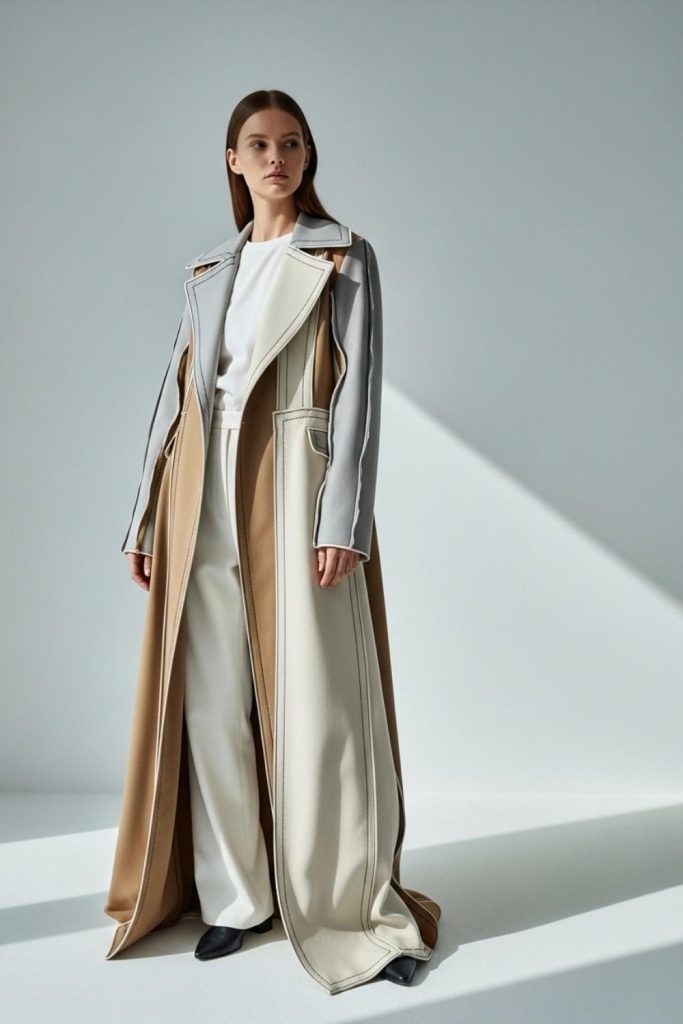
Modern couture sometimes shows what used to be hidden. Seams, stitching, and inner structure appear on the outside. This turns technique into design.
You can apply this idea by choosing garments with visible seams or raw edges. Avoid heavy finishing. Let the structure show. This style feels honest and modern.
It suits neutral colors and simple shapes. Couture here becomes educational. It shows how clothes are built, not just worn. This approach works well for jackets, dresses, and skirts.
9. Mixed Textures in One Outfit
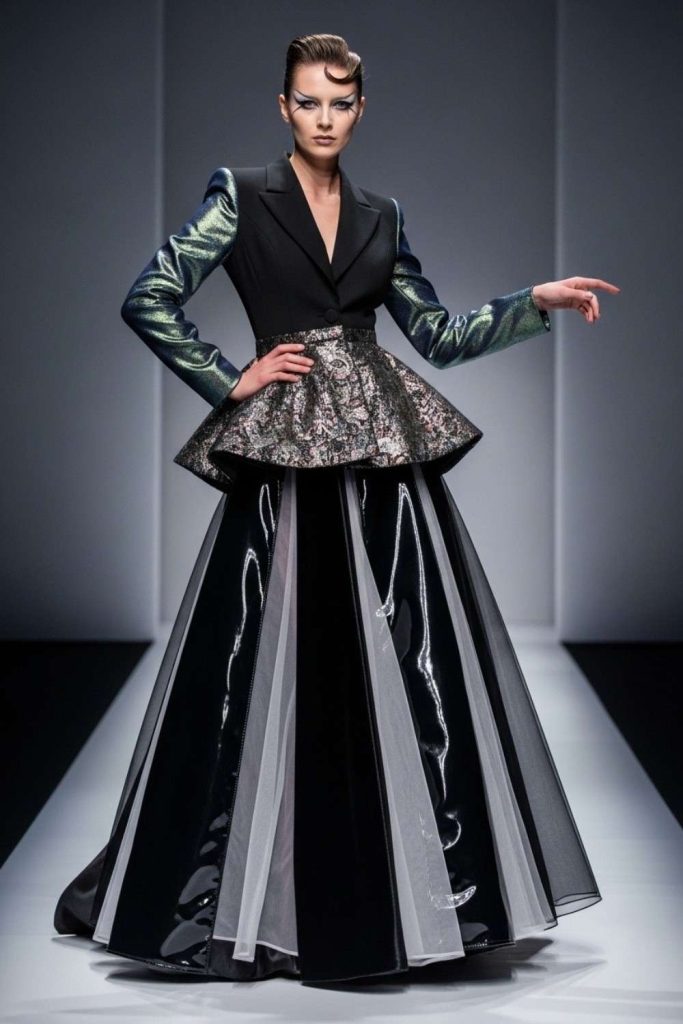
Texture mixing adds depth without loud color. Couture often pairs matte with shine. Soft with firm. You can do this easily. Pair knit tops with satin skirts.
Add leather belts over cotton dresses. Keep the color range tight. Let texture do the work. This idea feels rich without being expensive.
It trains the eye to notice material quality. Couture fashion relies on touch as much as sight. Mixing textures creates interest you can feel.
10. Couture Tailoring for Daywear
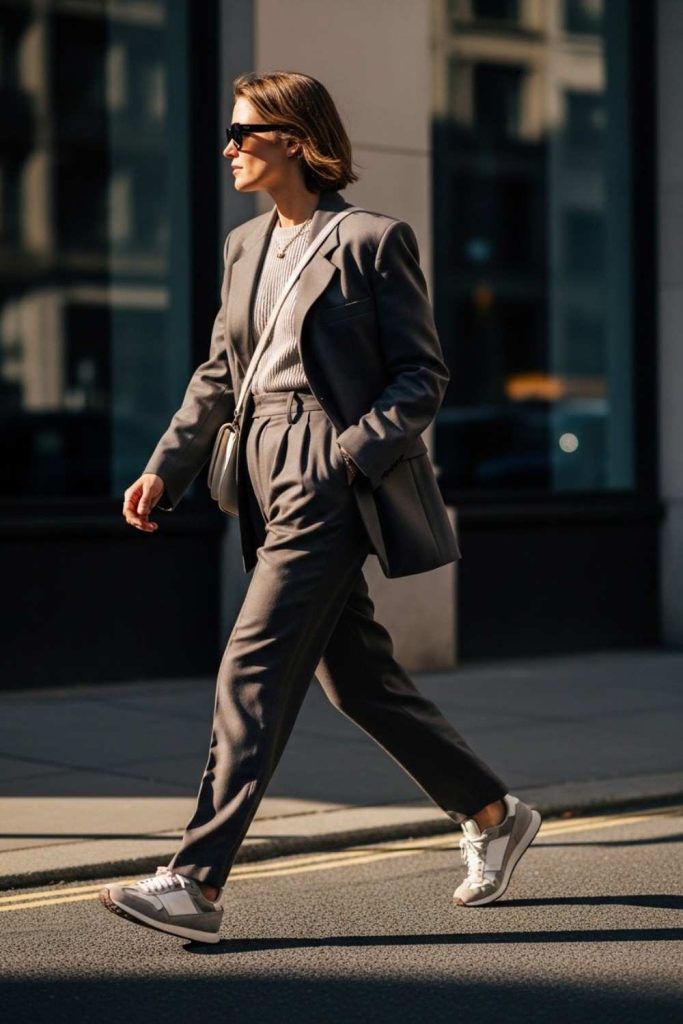
Couture tailoring isn’t limited to evening wear. Modern designers apply it to jackets, trousers, and blazers. The difference shows in fit and finish.
You can adapt this by tailoring everyday pieces. Shorten sleeves. Adjust waistlines. Even small changes improve how clothes sit. Structured blazers over casual outfits bring polish.
This idea proves couture techniques belong in daily life. Good tailoring changes how clothes feel and move. It’s practical and lasting.
11. Sheer Layers with Structure
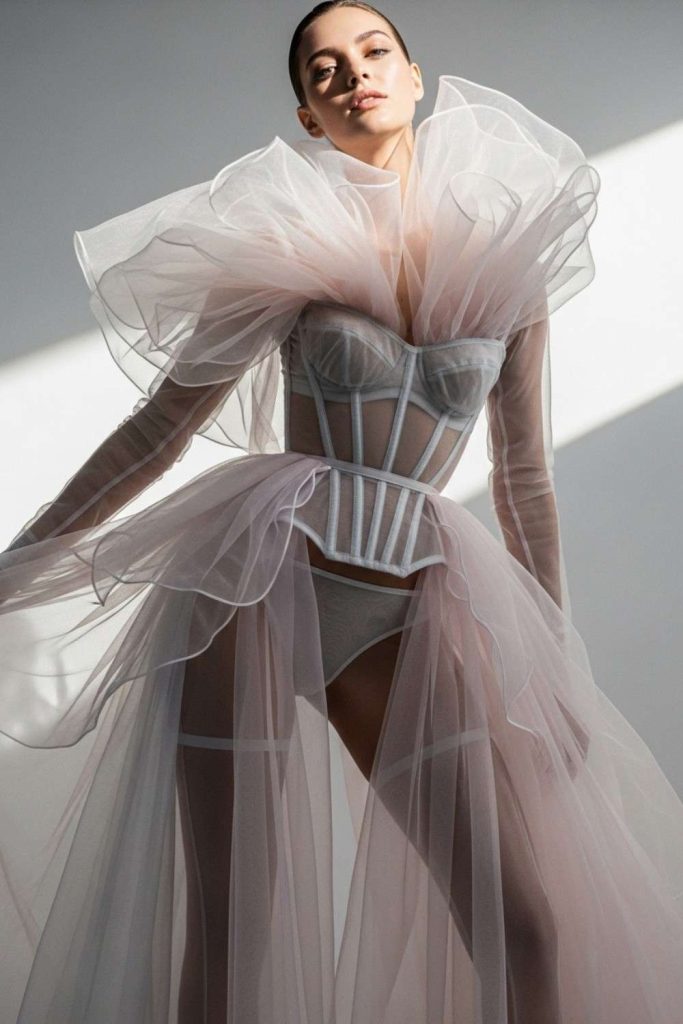
Sheer fabrics appear often in modern couture. The key is balance. Sheer layers float over solid bases. This keeps the look wearable.
You can try sheer skirts over shorts or dresses. Layer mesh tops over tanks. Choose neutral shades for subtlety. This approach adds depth without exposure.
Couture uses transparency as design, not shock. It’s thoughtful and controlled. This style works well for creative styling and events.
12. Statement Couture Bows and Knots
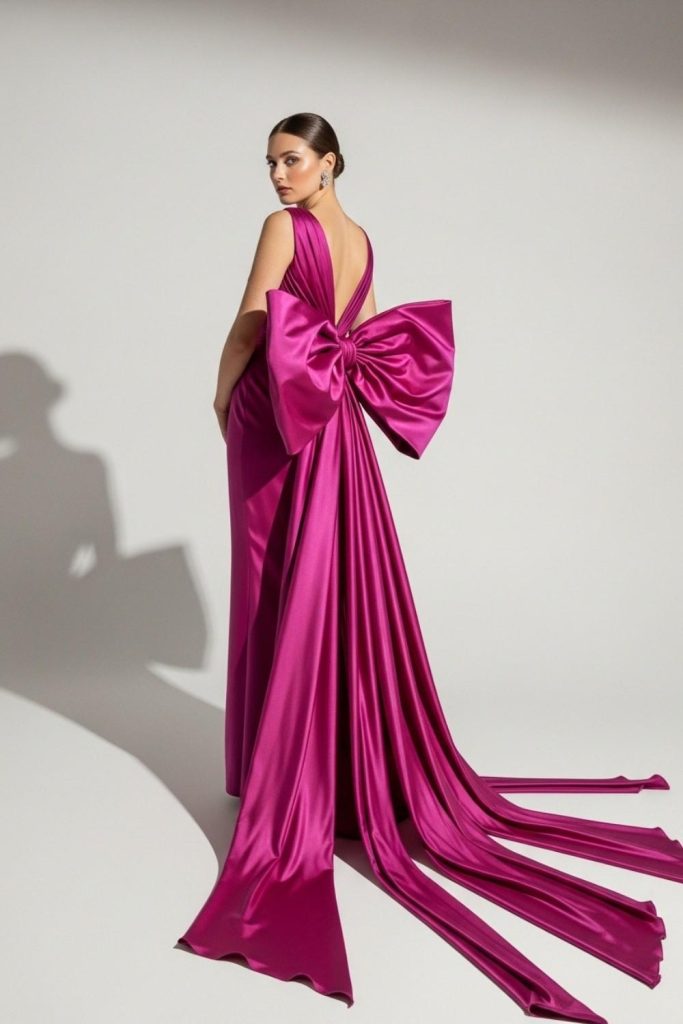
Oversized bows and knots return in modern couture. They act as focal points. Placed at the shoulder, waist, or back, they guide the eye.
You can recreate this with fabric belts or tied scarves. Keep the rest of the outfit clean. One bold detail is enough. Couture teaches restraint.
A single strong feature can define the whole look. Bows bring softness and structure together. They feel playful but intentional.
13. Couture Patchwork with Clean Lines
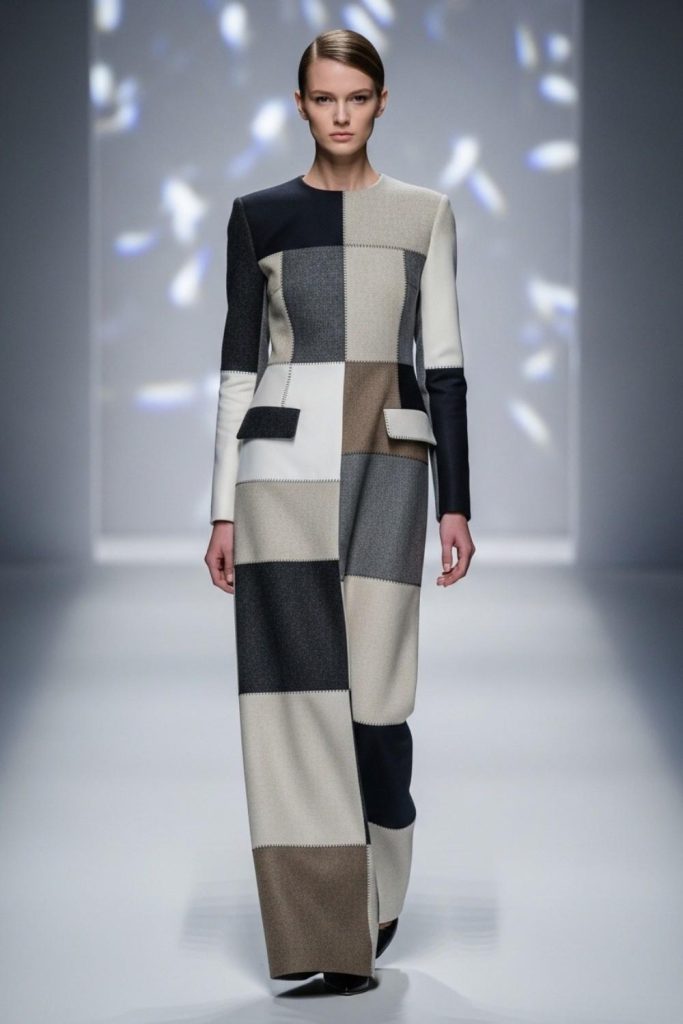
Couture patchwork today feels controlled and polished. Panels are planned, not random. Clean edges and balanced placement matter more than color overload. You can try this idea with simple sewing projects.
Combine leftover fabrics in similar shades. Keep shapes geometric. Squares and rectangles work well. Stitch them into skirts, jackets, or bags. The key is restraint. Too many colors distract from the form.
Couture patchwork tells a story through patience and planning. It turns scraps into intention. This style also suits sustainable wardrobes. You reuse what you already own.
Focus on symmetry and smooth finishing. Even hand-stitched seams add character. Patchwork becomes a design choice, not a fallback. It fits modern wardrobes because it feels thoughtful and calm.
14. Sculptural Necklines
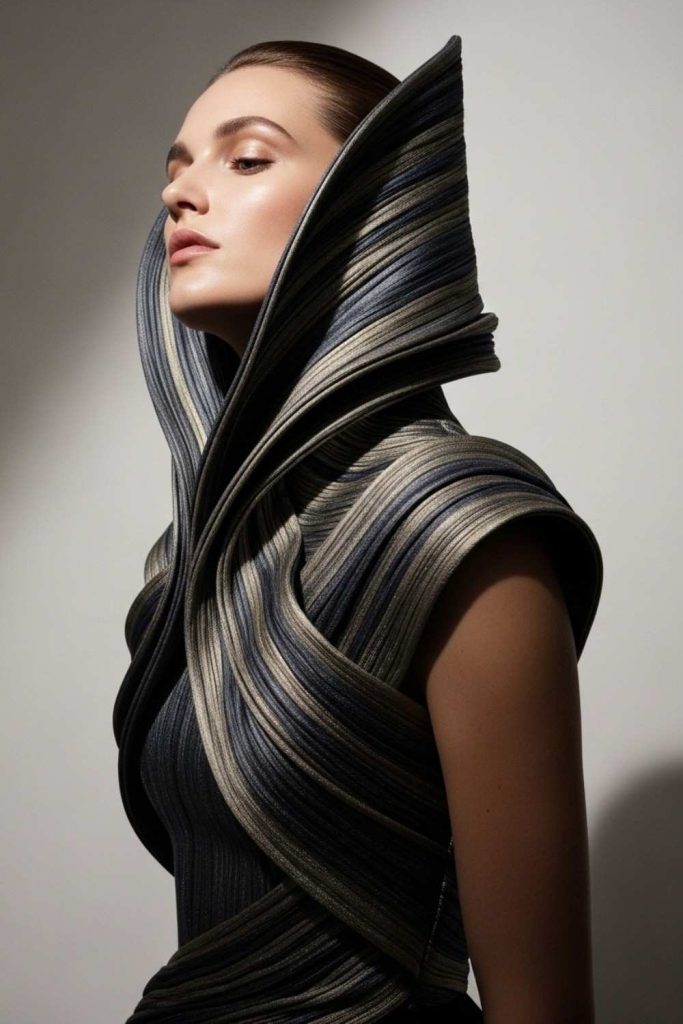
Necklines now act as focal points in couture fashion. Folded fabric, sharp angles, or soft curves frame the face. The rest of the garment stays simple.
You can mirror this by choosing tops with interesting neck details. Boat necks, asymmetrical cuts, or layered collars work well. If sewing, experiment with folding fabric instead of cutting deeper.
Keep jewelry minimal. Let the neckline lead. Couture focuses attention where it matters. This idea works for dresses and blouses alike. It changes the mood of an outfit without adding layers. Simple adjustments create strong visual interest.
15. Couture Belting Techniques
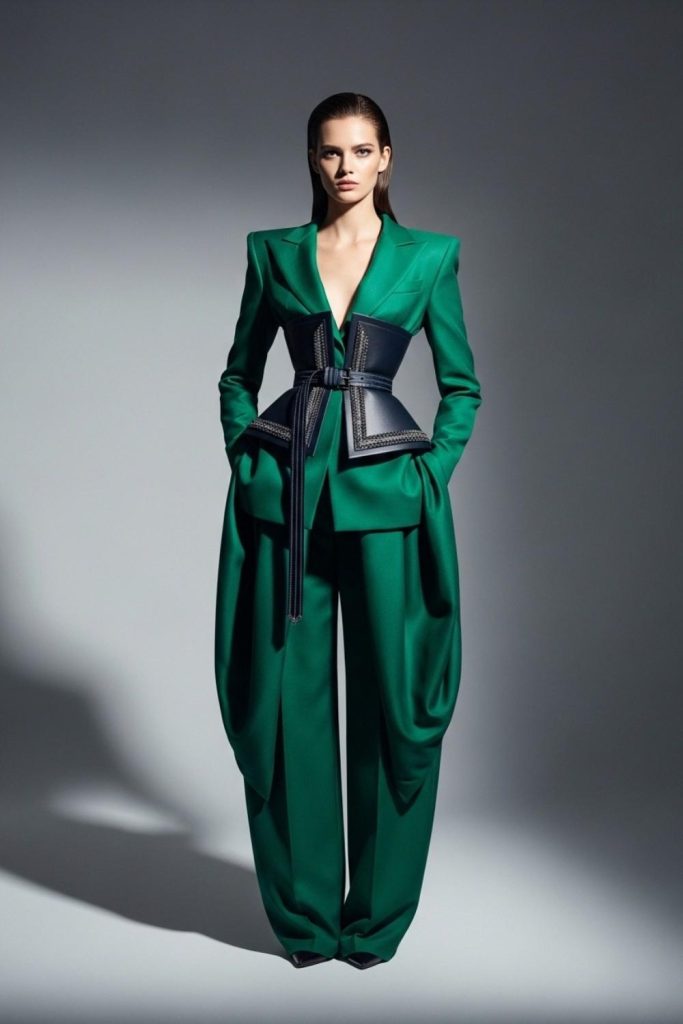
Belts play a major role in modern couture. Wide, structured belts define shape and add contrast. They often sit higher than natural waistlines.
You can use this trick easily. Add belts over dresses, coats, or long shirts. Choose firm materials like leather or thick fabric. Avoid thin belts for this look. Keep colors neutral for flexibility.
This styling method adds structure to loose clothing. Couture uses belting to guide the eye and shape the body. It’s practical and adaptable. One belt can change many outfits. That makes it budget-friendly and creative.
16. High-Low Couture Hemlines
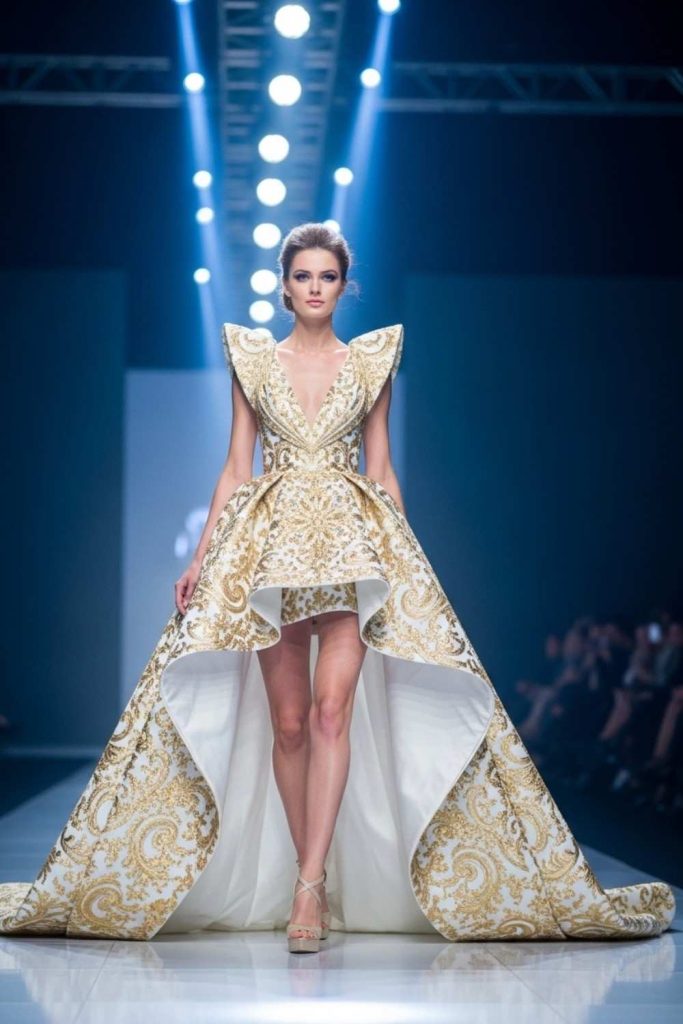
High-low hemlines create movement and interest. Couture designers use them to show fabric flow and craftsmanship. You can try this with skirts or dresses.
Shorter fronts feel casual. Longer backs add drama. Choose fabrics that move easily. Lightweight cotton or chiffon works well. This style suits events and styled photos.
Keep footwear simple so the hem stands out. Couture often uses motion as design. Walking becomes part of the look. High-low cuts feel playful but controlled. They add personality without extra decoration.
17. Couture-Inspired Monochrome Textures
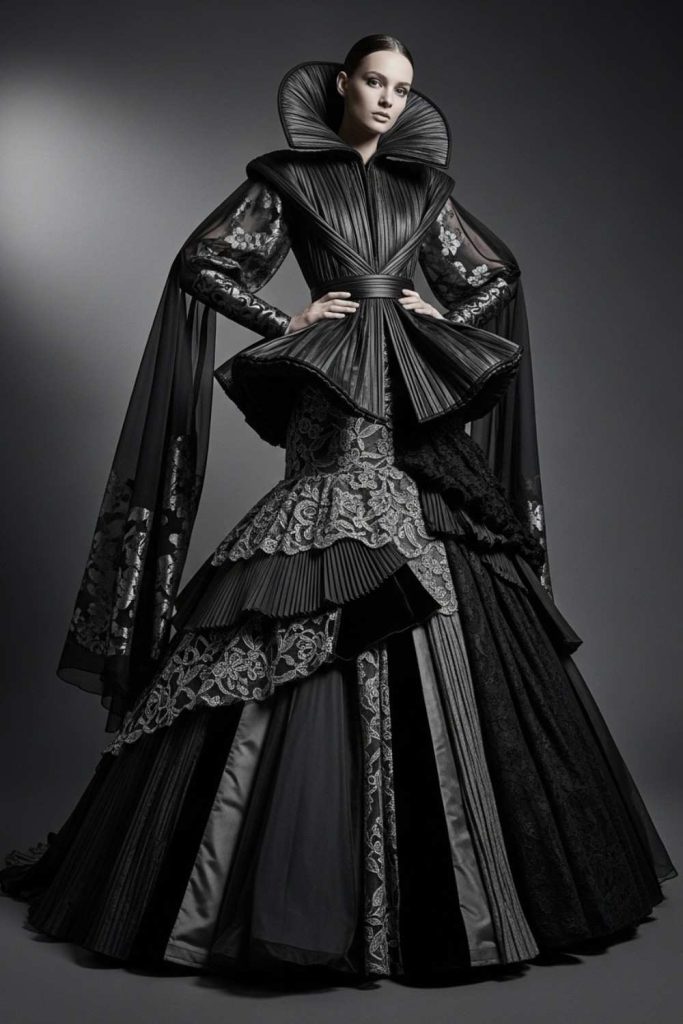
Monochrome doesn’t mean flat. Couture proves this by layering textures in one color. Wool with silk. Matte with sheen. You can recreate this easily.
Build outfits around one shade. Mix fabrics from your closet. Keep accessories in the same tone. This approach feels calm and intentional. It simplifies styling decisions too.
Couture relies on depth, not contrast. Texture becomes the focus. This idea works well for neutral palettes. It looks refined and thoughtful without added cost.
18. Hand-Finished Edges
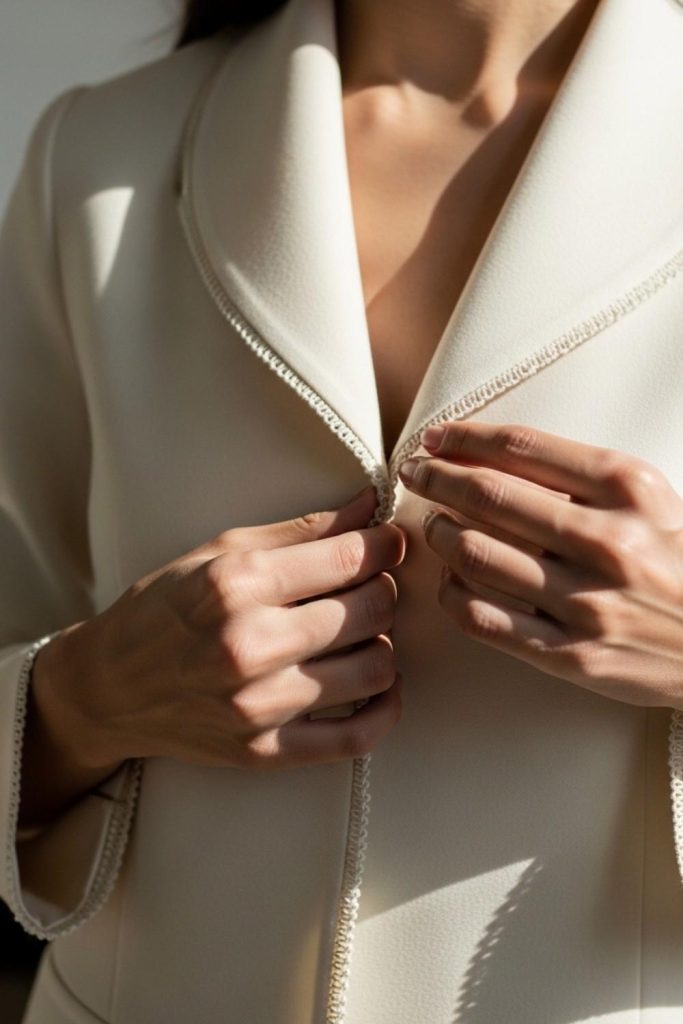
Edges matter in couture fashion. Hand-finished hems, cuffs, and seams show care. You can practice this at home. Try hand-stitching hems instead of machine sewing.
Use simple stitches. Take your time. Even basic garments feel special this way. Hand finishing also improves fit and durability. Couture values time over speed.
This habit builds patience and skill. It changes how you view clothing. Small details carry quiet confidence. This idea suits anyone learning sewing basics.
19. Couture Layering with Transparency
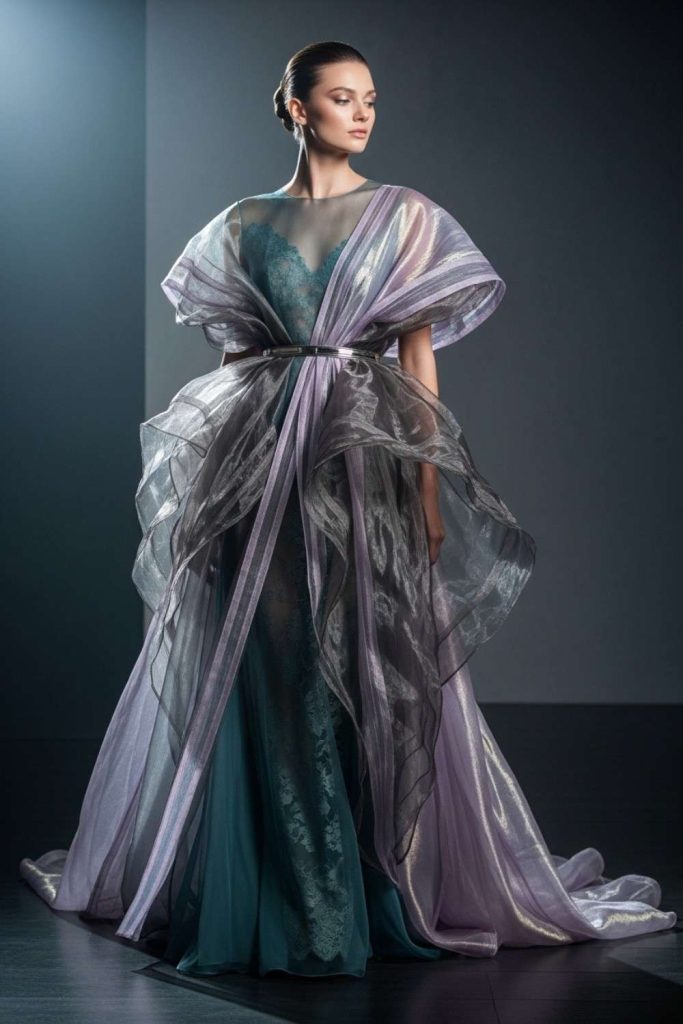
Transparency layered over solid pieces creates depth. Couture designers often use sheer fabrics this way. You can layer mesh skirts over trousers.
Or sheer tops over tanks. Stick to similar colors for cohesion. This method feels artistic but wearable. It adds interest without revealing too much.
Couture uses transparency thoughtfully. It guides the eye instead of shocking it. This style fits creative wardrobes and styled shoots.
20. Structured Couture Coats
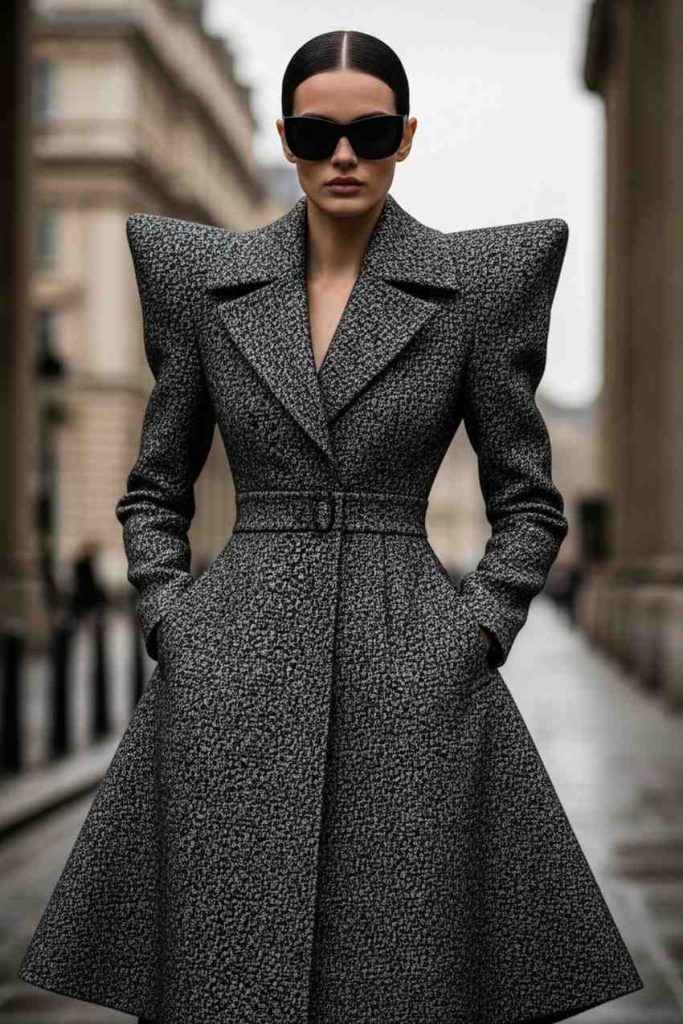
Coats become centerpieces in couture collections. Strong shoulders and clean lines define them. You can find similar shapes in vintage or thrift stores. Add shoulder pads if needed.
Choose heavier fabrics that hold shape. Keep the outfit underneath simple. Couture coats command attention through form. They work for daily wear and special moments. A good coat lasts for years. It’s a smart investment piece.
21. Asymmetrical Couture Designs
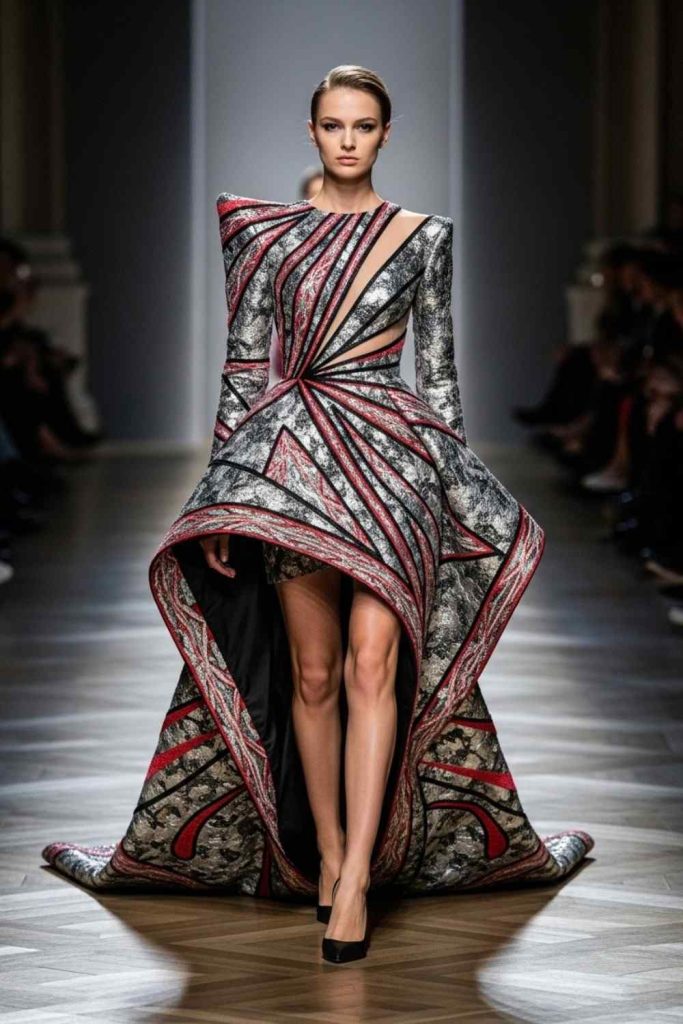
Asymmetry brings tension and interest. One-shoulder cuts. Uneven hems. Off-center details. You can adopt this by styling scarves asymmetrically.
Or choosing garments with uneven cuts. Keep accessories balanced. Couture uses asymmetry to break routine shapes. It feels modern and expressive. This idea works best with neutral colors. Let the cut speak louder than prints.
Conclusion
Section Two shows how couture fashion continues to adapt through form, detail, and intention. These ideas focus on realistic ways to learn from high-fashion craft.
You don’t need excess to apply couture thinking. Small actions matter. Fabric choice. Fit. Patience. Each technique brings clarity and purpose to personal style.