
Lets talk about the K-Pop idol diets that capture the industry’s focus on appearance, from extreme calorie cuts to balanced meal plans. These regimens, tied to terms like Celebrity Diet and Kpop Idol Meal Plan, reveal the dedication behind idols’ polished looks.
Ranging from risky to sustainable, they offer insight into K-Pop’s beauty standards. While some diets push limits, others inspire healthier habits. Always consult a professional before trying them. Join us as we examine these diets with a focus on health and balance.
1. IU’s “MyProAna” Diet

IU, one of K-Pop’s most beloved soloists, once shared a diet that sparked both awe and concern among fans. Her “MyProAna” diet consists of one apple for breakfast (~52 kcal), two sweet potatoes for lunch (~172 kcal), and a protein shake for dinner (~200 kcal), totaling around 424 calories daily.
This is far below the 1,600–2,000 calories recommended for most adults, even those aiming to lose weight. IU has since spoken about the toll this diet took, admitting it left her fatigued and wasn’t sustainable.
The diet’s popularity stems from IU’s candidness and her stunning transformation, but it’s a stark reminder of the intense pressure idols face to stay slim. While effective for rapid weight loss, the lack of nutrients makes it a risky choice, best avoided without medical supervision.
2. TWICE Momo’s Ice Cube Diet
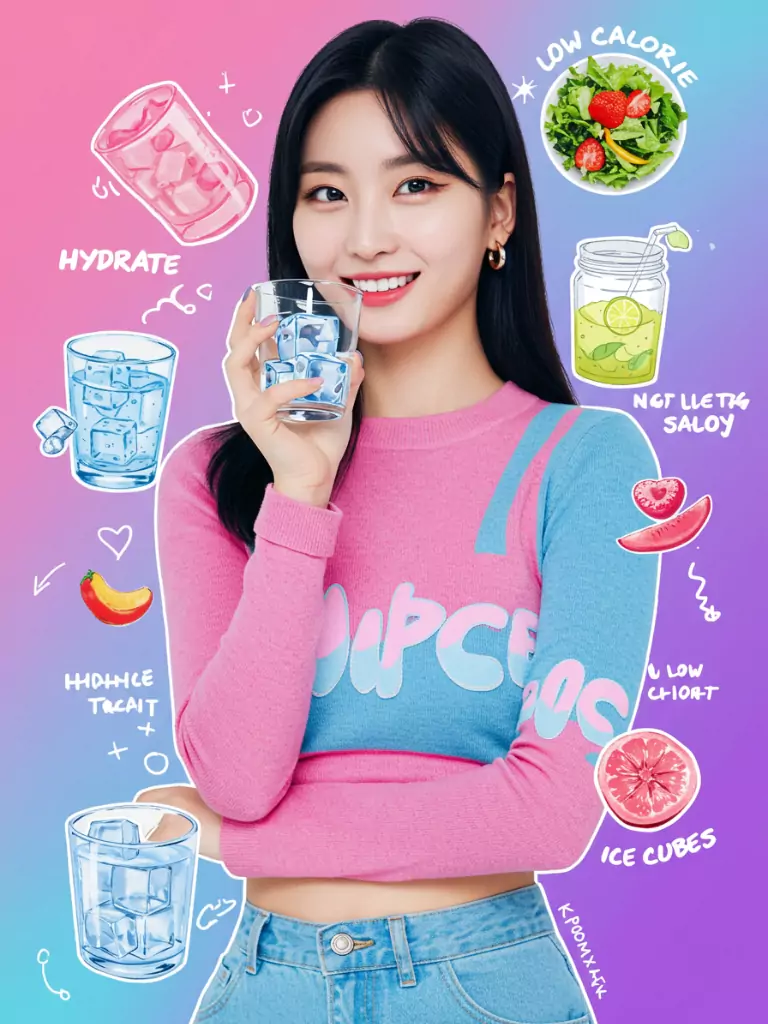
Momo of TWICE shocked fans when she revealed she consumed only ice cubes for 10 days to lose 15 pounds before her debut, a mandate from JYP Entertainment.
This extreme starvation diet, devoid of any real nutrition, led to severe health risks, including weakness and potential long-term metabolic issues. Momo’s story highlights the grueling expectations placed on trainees, where rapid weight loss can feel like a make-or-break moment.
While her discipline is admirable, this approach is dangerous and unsustainable, serving as a cautionary tale about the darker side of K-Pop’s beauty standards. Fans admire Momo’s resilience, but her experience underscores the need for healthier alternatives.
3. BIGBANG T.O.P’s Red Bean Jelly Diet
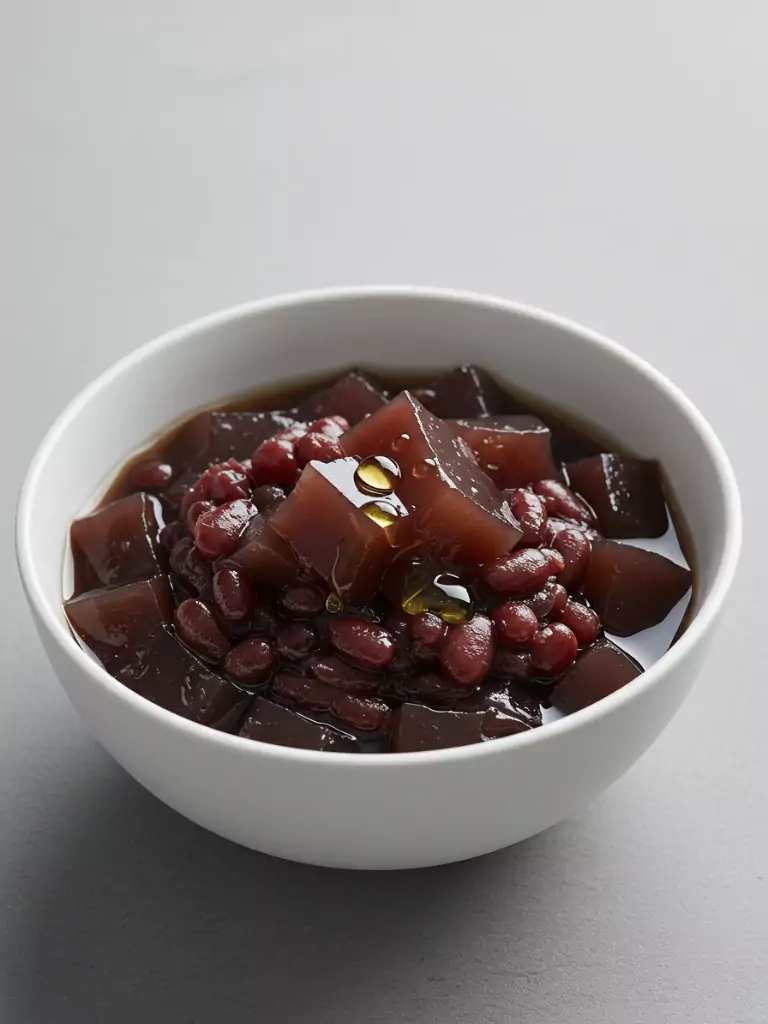
BIGBANG’s T.O.P took an unconventional route to lose 20 kg in 40 days before his debut, relying on unsweetened red bean jelly (yanggaeng), mineral water, and occasional red beans, paired with intense daily workouts.
This restrictive diet, low in calories and variety, helped him achieve the lean physique YG Entertainment demanded but at the cost of balanced nutrition.
T.O.P’s approach shows how male idols also face immense pressure to conform to industry ideals, often overlooked in discussions about K-Pop diets. His transformation is striking, but the diet’s lack of diversity makes it a risky choice for long-term health.
4. SISTAR Dasom’s Cucumber Diet
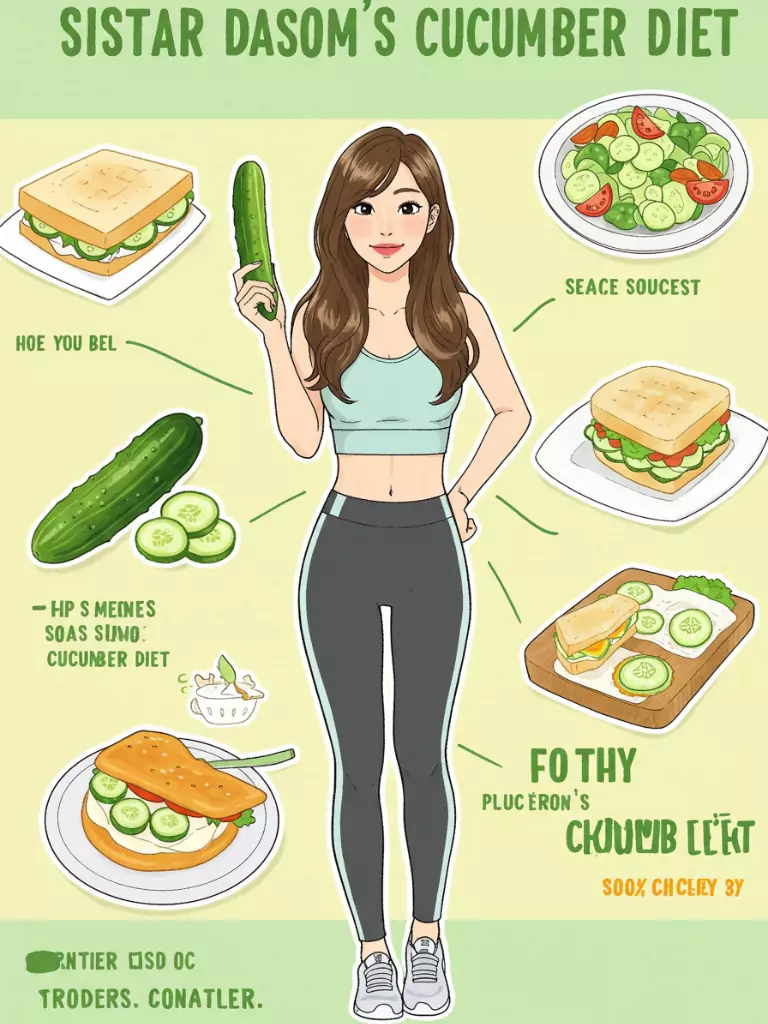
Dasom of SISTAR once followed a cucumber-only diet for three weeks, shedding 10 kg. This “one-food diet” is a classic example of K-Pop’s extreme measures, where idols focus on a single low-calorie food to drop weight quickly.
Cucumbers, while hydrating and low in calories (~16 kcal per cup), lack the protein, fats, and carbs needed for sustained energy, especially for idols who train for hours daily.
Dasom’s diet is notable for its simplicity and the buzz it created among fans, but it’s a clear example of why mono-diets are unsustainable and potentially harmful, especially without professional guidance.
5. EXO Xiumin’s Coffee Diet

EXO’s Xiumin turned heads during the “Growl” era with his dramatic weight loss, achieved by consuming only coffee for days at a time. This extreme approach led to a leaner frame but also caused yo-yoing, where weight loss is quickly regained due to metabolic stress.
Xiumin’s openness about his struggles with weight adds a human touch to his story, resonating with fans who admire his dedication. However, relying solely on coffee a stimulant with minimal calories lacks the nutrients needed for an active idol’s lifestyle, making it a risky and temporary fix.
6. Ailee’s 500-Calorie Diet
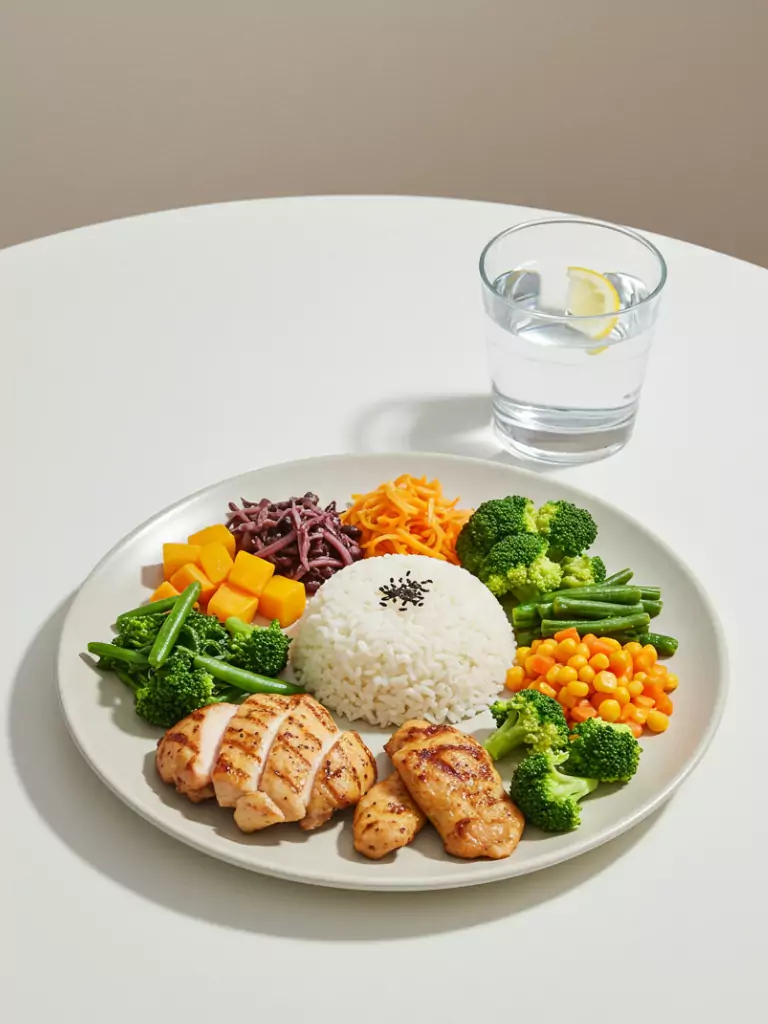
Ailee, known for her powerful vocals, made headlines with her 10 kg weight loss in a month by following a 500-calorie diet. Each meal included 100 grams of protein (like chicken or fish), a small portion of vegetables, and one fruit, keeping her intake tightly controlled.
While this structured approach helped her achieve a slimmer figure, Ailee later embraced her natural curves, advocating for self-love over extreme dieting. Her journey offers a balanced perspective: the diet worked for a specific goal, but her shift toward body positivity makes it a compelling example for readers seeking both inspiration and caution.
7. BTS Jimin’s One-Meal-a-Day Diet

BTS’s Jimin revealed that during the “Blood, Sweat & Tears” era, he limited himself to one meal a day or sometimes went up to nine days without eating to achieve a chiseled look. This led to visible weight loss but also exhaustion, with reports of him collapsing on stage.
Jimin’s global fame and vulnerability about his struggles make this diet a poignant example of the sacrifices idols make. While his dedication is inspiring, the health risks, including nutrient deficiencies and fatigue, highlight why such extreme measures are unsustainable and dangerous.
8. Changmin’s Tofu Diet
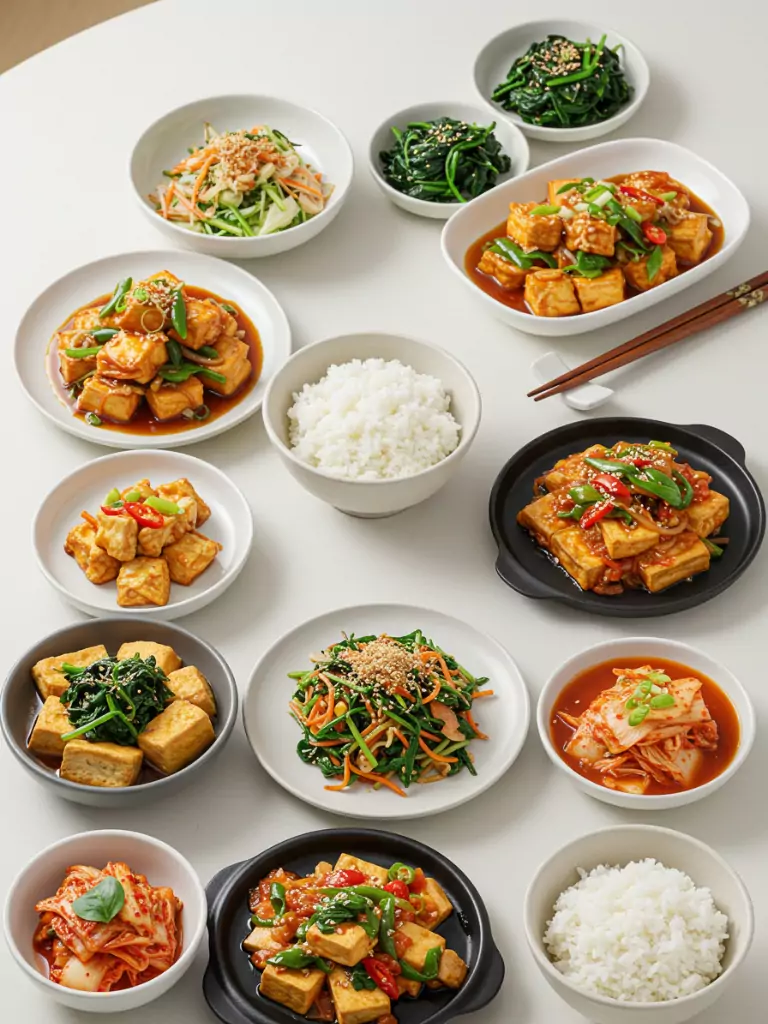
TVXQ’s Changmin adopted an extreme approach to lose 18 kg in three weeks and 30 kg in six weeks, eating only two blocks of tofu daily (~152 kcal) while running for six hours a day.
This low-calorie, high-exercise regimen delivered rapid results but lacked the nutrients needed for his demanding schedule as an idol. Changmin’s story highlights the lengths male idols go to meet industry expectations, often at the cost of health.
The tofu diet’s simplicity and Changmin’s dramatic transformation make it a notable example, but its extreme nature serves as a reminder to prioritize balanced nutrition over quick fixes.
9. Red Velvet Seulgi’s Soy Milk Diet

Red Velvet’s Seulgi once followed a soy milk-only diet, relying on the beverage’s low calorie count (~80–120 kcal per cup) to slim down quickly. This mono-diet, like many in K-Pop, sacrifices variety for rapid weight loss, leaving out essential proteins, carbs, and fats needed for energy and recovery.
Seulgi’s radiant stage presence makes her diet intriguing to fans, but its lack of sustainability and nutritional balance makes it a risky choice. Her experience underscores the allure of quick results in K-Pop and the importance of choosing more well-rounded approaches.
10. I.O.I Jeon So-mi’s Banana Diet

Jeon So-mi, known for her “human Barbie” image, once ate just one banana a day (~90 kcal) to achieve a leaner figure before her debut with I.O.I. This extreme mono-diet led to quick weight loss but left her depleted, as bananas alone can’t provide the nutrients needed for an active lifestyle.
So-mi’s diet gained attention due to her popularity and youthful charm, appealing to fans curious about ulzzang-inspired meal plans. However, its severe restrictions highlight the dangers of one-food diets, especially for those with high-energy demands like K-Pop idols.
11. BLACKPINK Lisa’s Balanced Approach
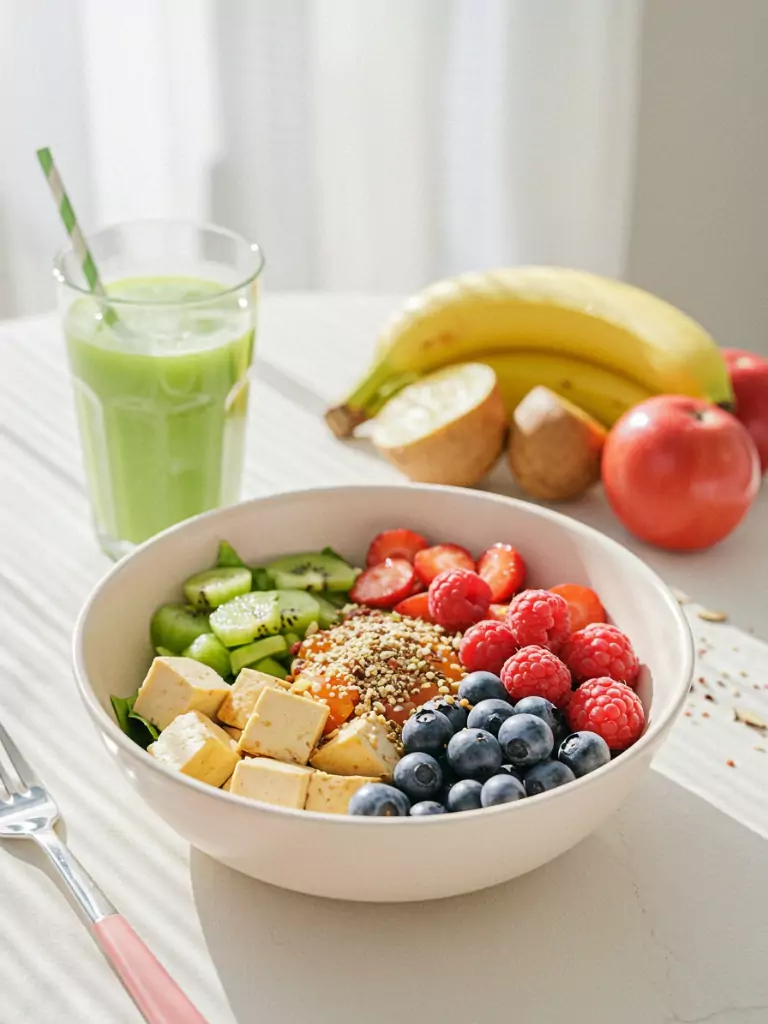
BLACKPINK’s Lisa stands out for her healthier take on dieting, focusing on balanced meals with lean proteins, vegetables, and fruits, paired with intense dance practices (6–12 hours daily, burning 360–500 kcal/hour).
Rather than starving herself, Lisa emphasizes moderation and relies on her active lifestyle to stay fit. Her approach is a breath of fresh air in an industry filled with extreme diets, making it a fan favorite for those seeking practical, sustainable ideas.
Lisa’s method shows that you can achieve a K-Pop-ready physique without sacrificing health, offering inspiration for balanced diet seekers.
12. BTS V’s No-Stress Eating

BTS’s V takes a refreshingly relaxed approach, avoiding restrictive diets and enjoying his favorite foods in moderation while staying active through dance and a positive mindset.
His philosophy of “no-stress eating” prioritizes mental well-being alongside physical fitness, making him a role model for fans who value self-acceptance.
V’s approach resonates with those looking for healthy diet tips that don’t involve extreme measures. His ability to maintain a lean figure without rigid rules makes this diet a standout for its simplicity and sustainability.
13. Intermittent Fasting (Bianca Zhou’s Method)

Former K-Pop trainee Bianca Zhou popularized intermittent fasting in the K-Pop world, eating balanced meals within a 6-hour window (e.g., 12–6 p.m.) and fasting for 18 hours.
This approach, which includes proteins, vegetables, and whole grains, aligns with modern health trends and offers more nutritional balance than many idol diets.
Zhou’s method gained traction for its structure and flexibility, appealing to fans interested in a 1200-calorie diet framework that’s less extreme. Its science-backed nature and growing popularity make it a compelling addition to this list.
Conclusion
The K-Pop idol diets we’ve explored from Changmin’s tofu regimen to Lisa’s balanced meals reveal the diverse and often intense approaches idols take to meet the industry’s demanding beauty standards.
While diets like Seulgi’s soy milk or So-mi’s banana plan highlight the extreme measures some idols endure, others, like V’s and Lisa’s, offer healthier, more sustainable inspiration. At kpopmood.com, we admire the dedication of these stars but emphasize the risks of extreme dieting, such as nutrient deficiencies and metabolic issues.
For fans inspired by K-Pop idols, the key is to prioritize balance, consult professionals, and focus on long-term health over quick fixes. Whether you’re drawn to the discipline of Winter’s minimalist plan or the freedom of V’s no-stress eating, let these stories guide you toward safe, personalized choices for your fitness journey.