Henna art is more than decoration; it’s a way to express creativity and tradition. If it’s for a wedding, festival, or casual celebration, the right Mehndi Design can transform your hands.
From bold statement patterns to delicate, elegant swirls, there’s a design for every occasion. Here are 16 stunning Mehndi designs to inspire your next henna session.
1. Classic Floral Mehndi
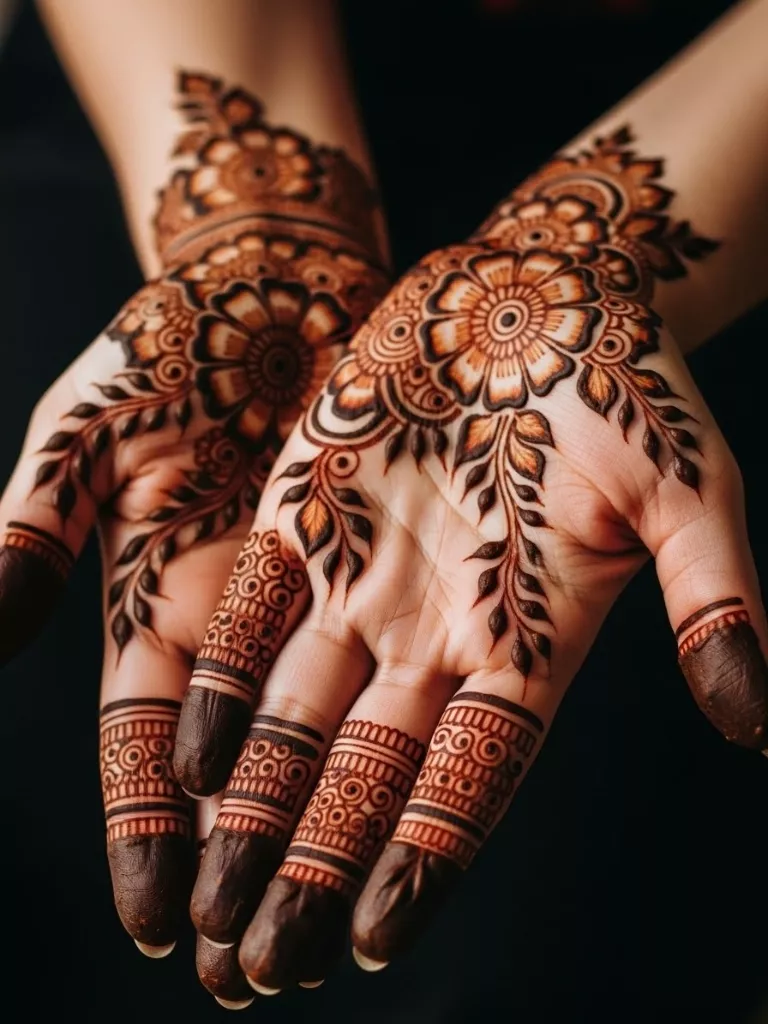
Floral Mehndi is timeless and suits any occasion. Large flowers paired with small vines create a balanced and feminine look. You can start simple with just a few flowers on your palm and fingers.
For a DIY approach, try stencils for uniform petals or practice drawing flowers with a fine-tip henna cone. This style works for festivals, casual gatherings, or even weddings.
The beauty of floral designs is their flexibility you can keep it light or extend patterns toward your wrist for a more elaborate look.
2. Paisley Pattern Mehndi
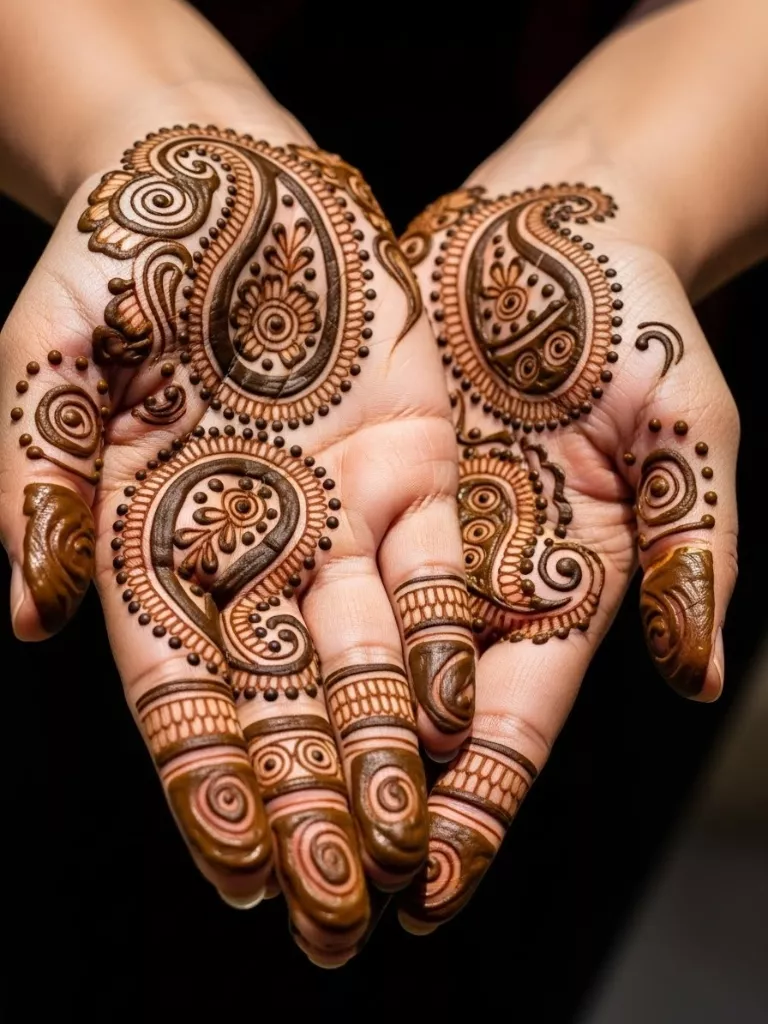
Paisley patterns are elegant and flowing. The teardrop-shaped motifs can be large on the palm and smaller along the fingers. Beginners can practice tracing simple paisleys before trying complex fills.
Tiny dots or lines inside the paisleys add depth without much effort. This design suits semi-formal events or casual henna practice.
It’s also perfect if you want a stylish look without spending hours on intricate patterns. The flowing paisley shapes bring elegance and movement to your hands, making them look artistic and graceful.
3. Arabic Mehndi Design
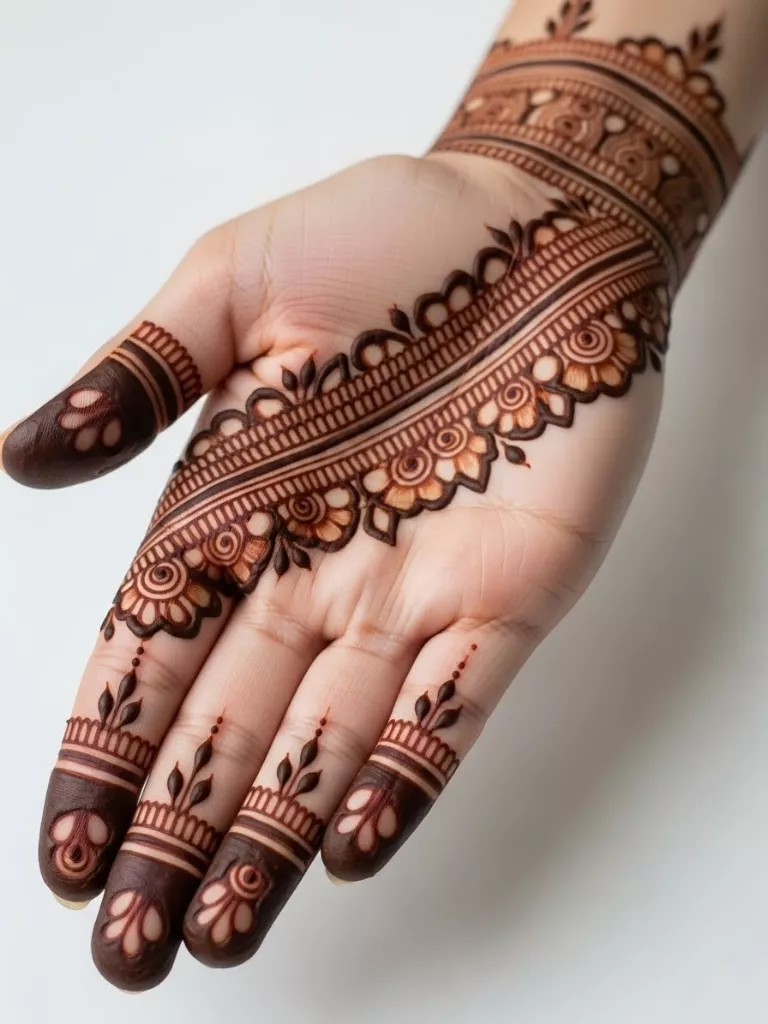
Arabic Mehndi is bold yet simple. Its flowing lines and open spaces make the design stand out without being overwhelming. Flowers and leaves dominate the pattern, with minimal coverage on the fingers.
It’s beginner-friendly and easy to replicate at home using a pre-made henna cone. Arabic Mehndi suits parties, festivals, or casual celebrations.
The striking contrast between bold motifs and empty spaces creates an elegant, airy feel. You can mix small floral details on the fingers for balance. The result is stylish, quick to apply, and looks professional even for novices.
4. Bridal Mehndi Inspiration
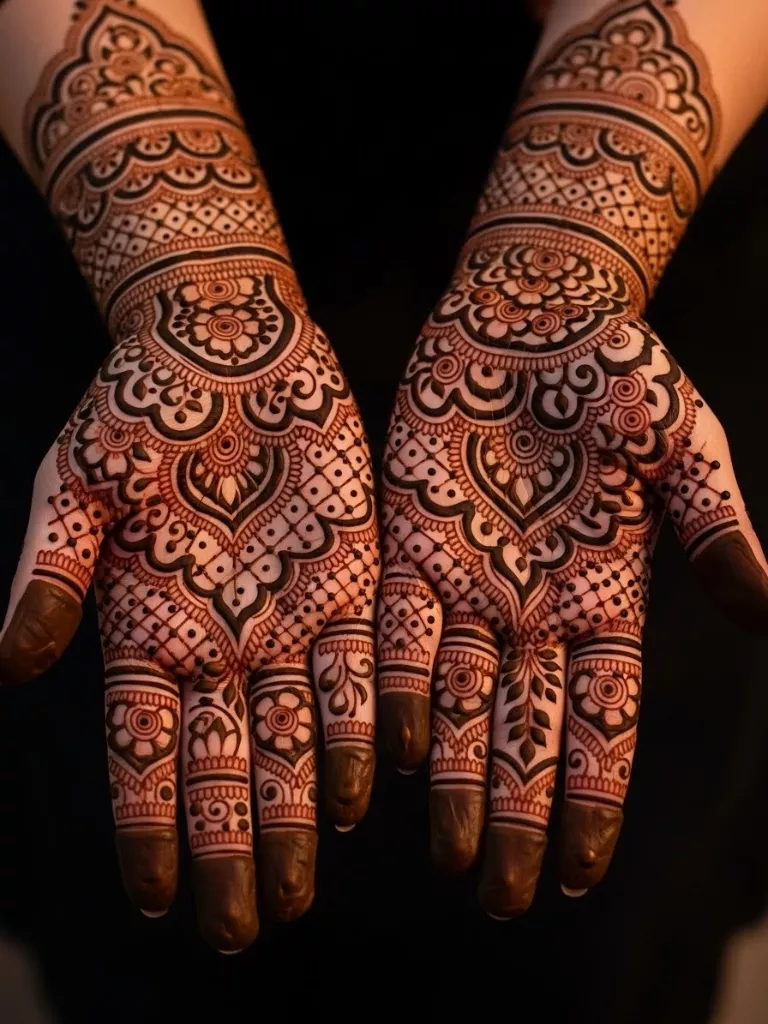
Bridal Mehndi is elaborate and detailed, covering palms and wrists. Start with central mandalas, then expand outward with floral and lace-like elements.
If full-hand coverage feels intimidating, focus on palms and wrists only the effect is still stunning. Beginners can practice small motifs first before attempting larger designs.
Bridal patterns are ideal for weddings, engagement ceremonies, or special photoshoots. They make hands appear elegant and festive.
Budget-friendly tip: use homemade cones and plan designs in sections to manage drying time. The beauty of bridal Mehndi lies in its dense, artistic coverage that creates a statement look.
5. Minimalist Mehndi Design
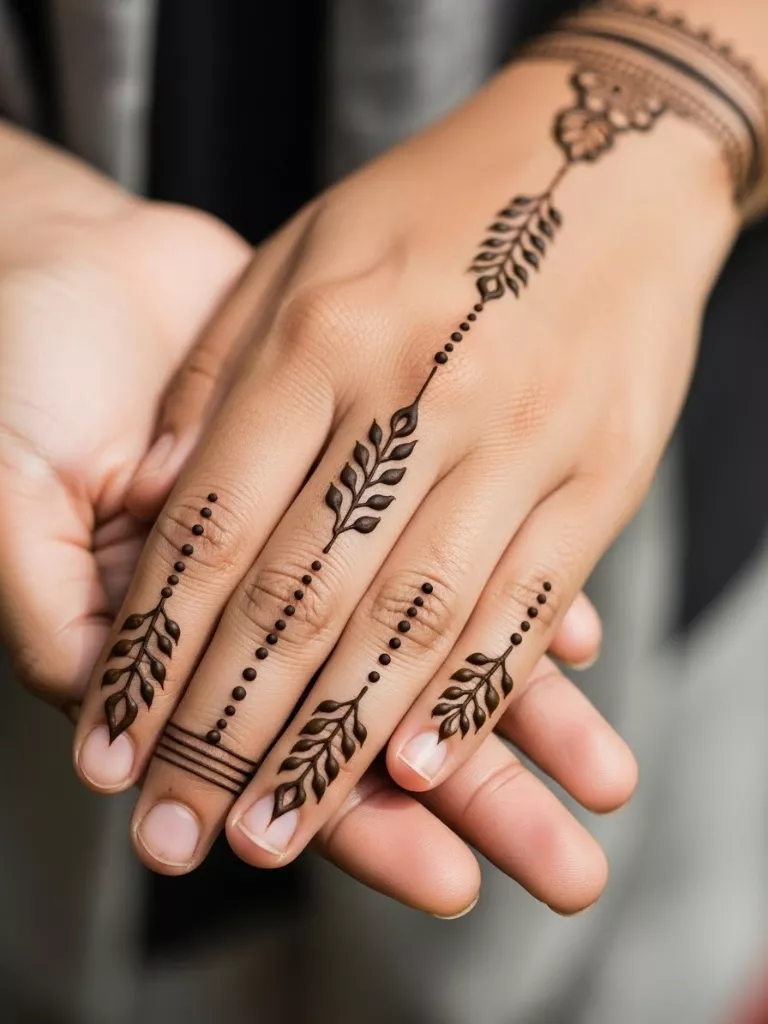
Minimalist Mehndi is subtle and quick. Small flowers, dots, and lines along fingers make a clean, stylish look. Perfect for casual events or first-time henna users, it doesn’t take long to apply or dry.
You can mix different motifs on each finger to keep it playful. DIY tips include starting with tiny flowers on the palm and simple vines on fingers.
This style is low-maintenance and easy to remove if needed. Minimalist Mehndi works for everyday wear or short-term celebrations and is ideal for those who want elegance without heavy coverage.
6. Mandala-Inspired Mehndi
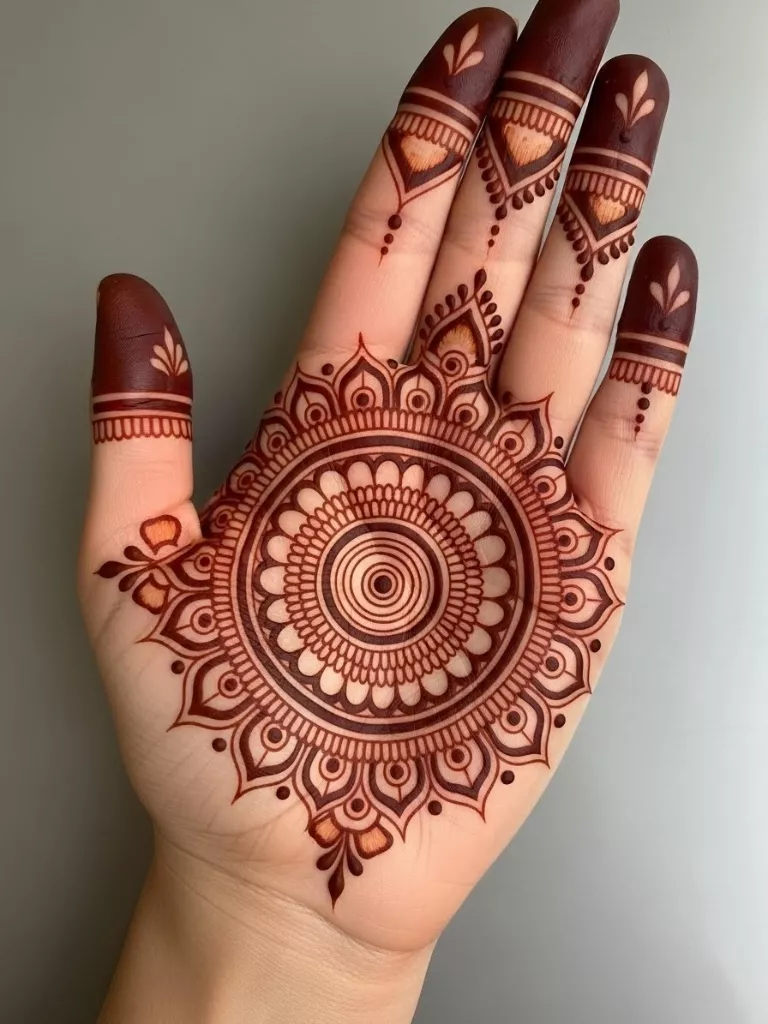
Mandala Mehndi is mesmerizing and symmetrical. Start with a small circle in the center of the palm, then expand with petals, dots, and rings. This design works well on palms and backs of hands.
Beginners can use dot guides or printable templates to keep shapes even. Mandalas are perfect for festivals, spiritual occasions, or henna practice. The repetitive patterns create a harmonious, balanced look.
You can keep it simple or add smaller motifs along fingers. Mandala Mehndi is visually stunning, giving hands an artistic and thoughtful appearance without being overwhelming.
7. Geometric Mehndi
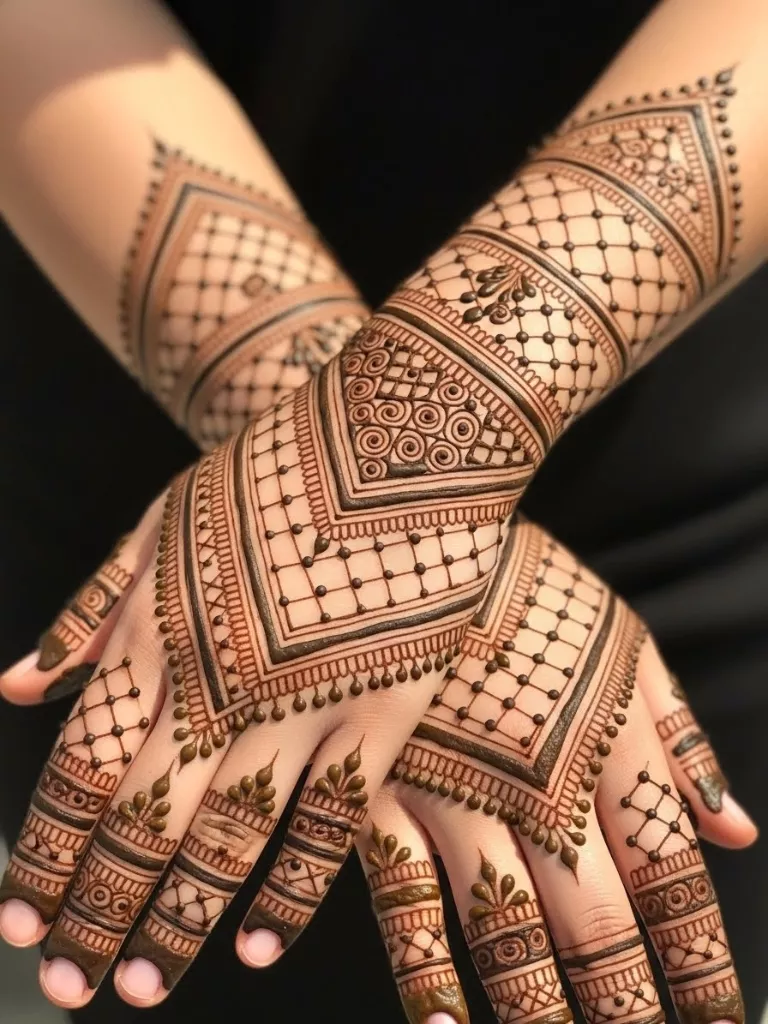
Geometric Mehndi is modern and structured. Use triangles, diamonds, and lines for bold, clean designs. Start small with finger patterns and gradually expand to the palm.
Beginners can lightly sketch shapes with a pencil before applying henna for symmetry. This style works for casual and semi-formal occasions. Combining sharp edges with simple dots or lines keeps the pattern interesting.
Geometric designs are easy to adjust for hand size and skill level. The bold shapes make a stylish statement while remaining manageable for at-home practice.
8. Finger Mehndi Design
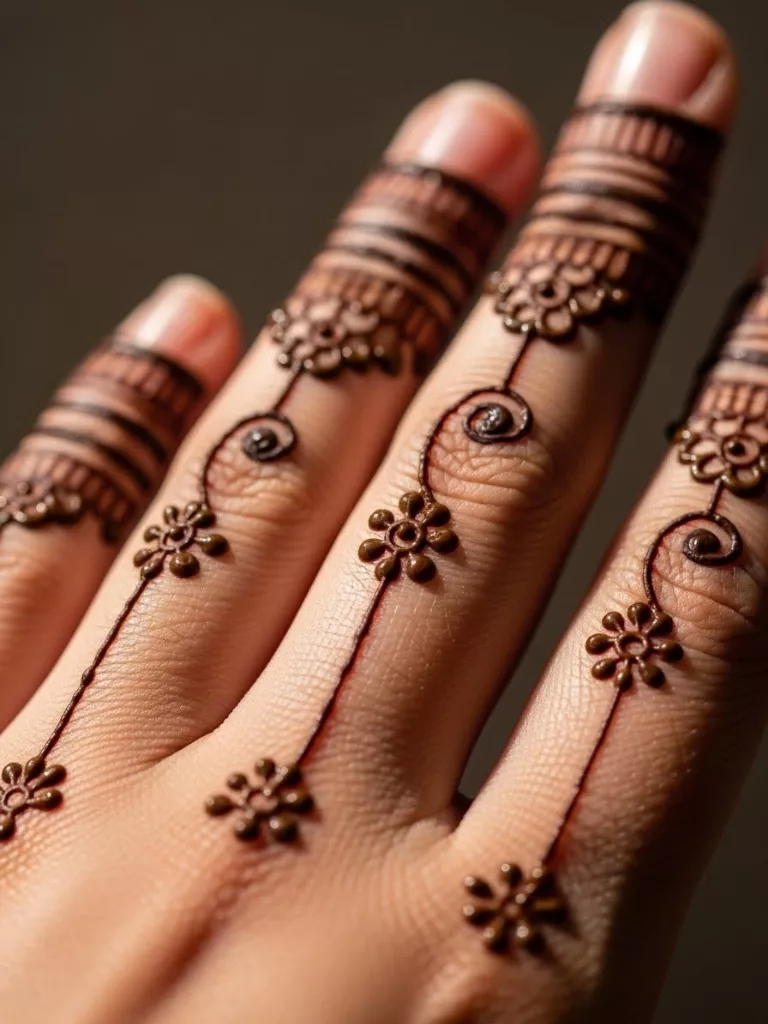
Finger Mehndi is minimal yet chic. Patterns are applied only on fingers, leaving palms bare. It’s fast to apply and ideal for beginners. You can mix small flowers, leaves, or swirls on each finger.
This style works for casual gatherings or short-term celebrations. Drying is quicker than full-hand designs. Finger Mehndi is perfect if you want a simple, stylish look without heavy coverage.
Pair with rings for an elegant, complete style. It’s playful, modern, and practical for everyday wear or small events.
9. Contemporary Fusion Mehndi
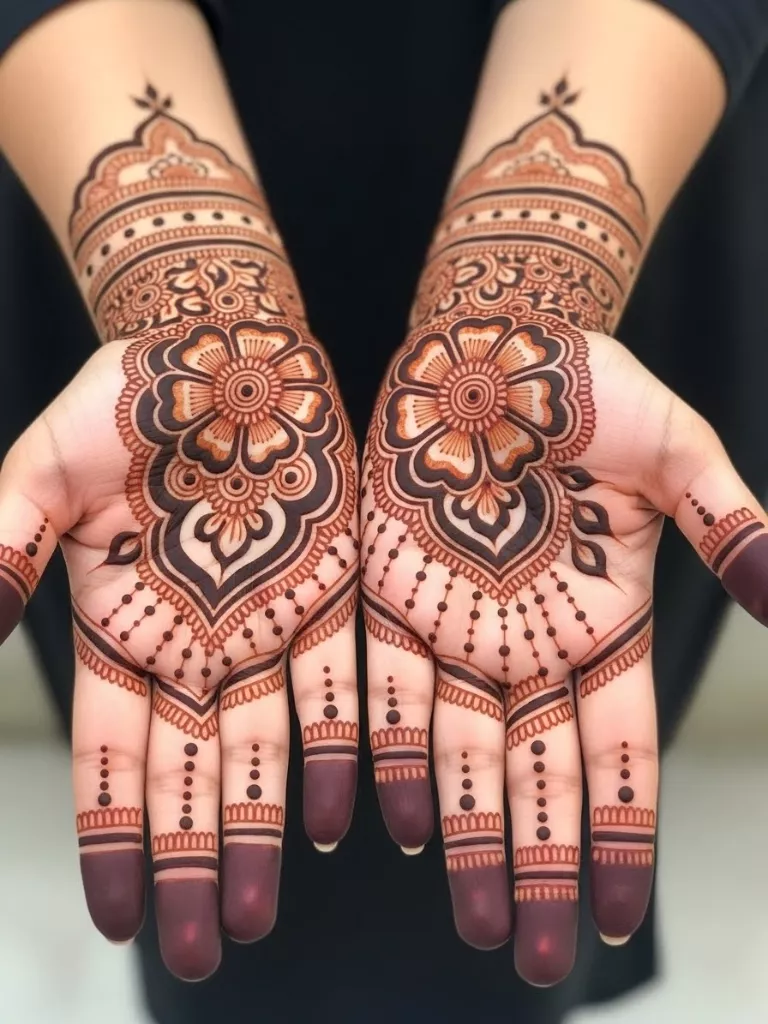
Fusion Mehndi blends traditional and modern styles. Mix bold Arabic florals with delicate Indian patterns for uniqueness. Begin with a central motif and expand outward with small details.
This design is flexible and allows creativity. DIY enthusiasts can experiment with henna cones for precision. Fusion Mehndi works for weddings, parties, or personal artistic expression.
The combination of flowing flowers and intricate lines creates a layered, attractive design. It’s a fun way to showcase style and skill without committing to heavy, time-consuming patterns.
10. Backhand Mehndi Focus
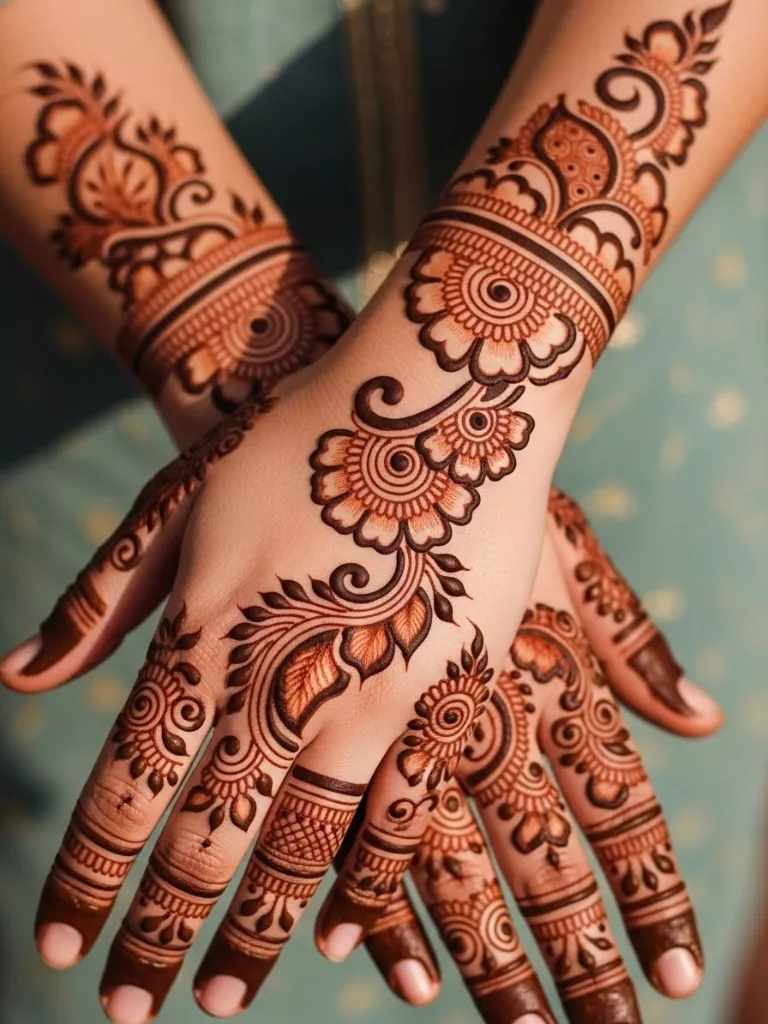
Backhand Mehndi highlights the wrist and back of the hand. Flowing vines and leaves add elegance without heavy coverage. Simple flowers or thin lines can create a refined look.
Perfect for summer weddings, festivals, or casual parties. Drying is faster than full-hand coverage, and patterns can be partial or extended depending on preference.
This style is beginner-friendly and versatile. You can start with a small motif and gradually fill in vines or leaves. It’s a subtle way to showcase artistry on the less commonly decorated side of your hand.
11. Henna Bracelet Style
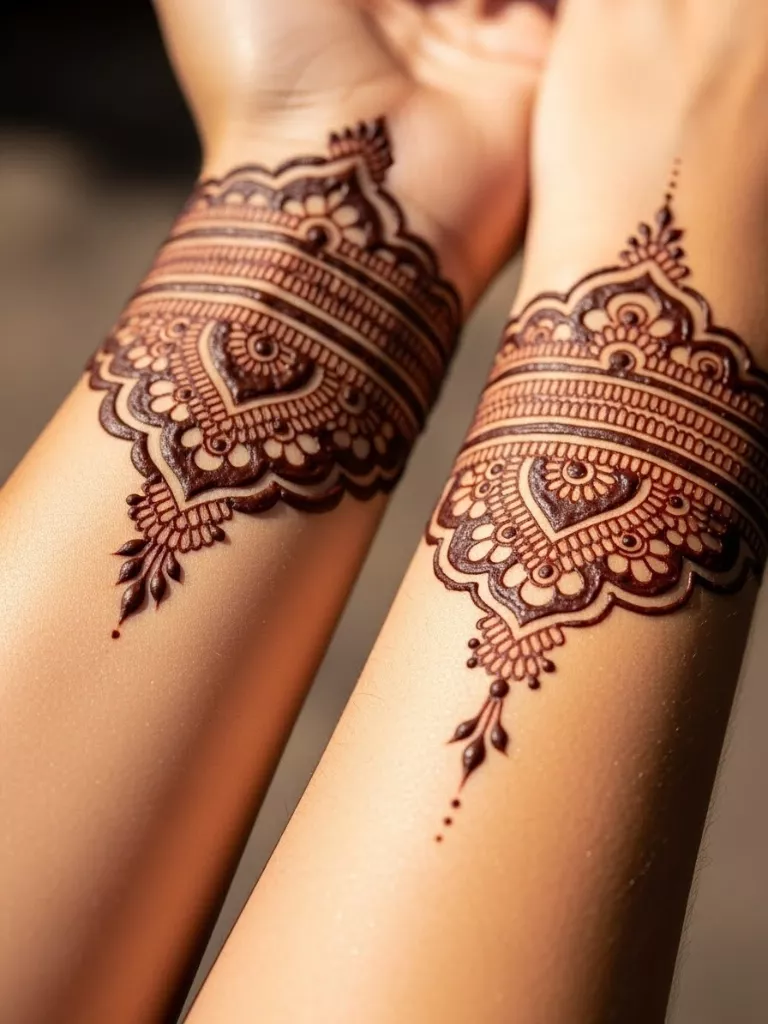
Henna bracelets look like real jewelry. Wrap a thin band of detailed henna around the wrist. Add tiny flowers or dots for extra flair.
This is perfect for casual parties or festivals and is budget-friendly. Only cover a portion of the wrist to save time and henna. Easy to DIY, the bracelet style is chic, elegant, and dries quickly.
Pair with real or faux bangles for a sophisticated effect. It’s a subtle, stylish way to enjoy Mehndi without committing to full-hand coverage.
12. Arabic Half-Hand Design
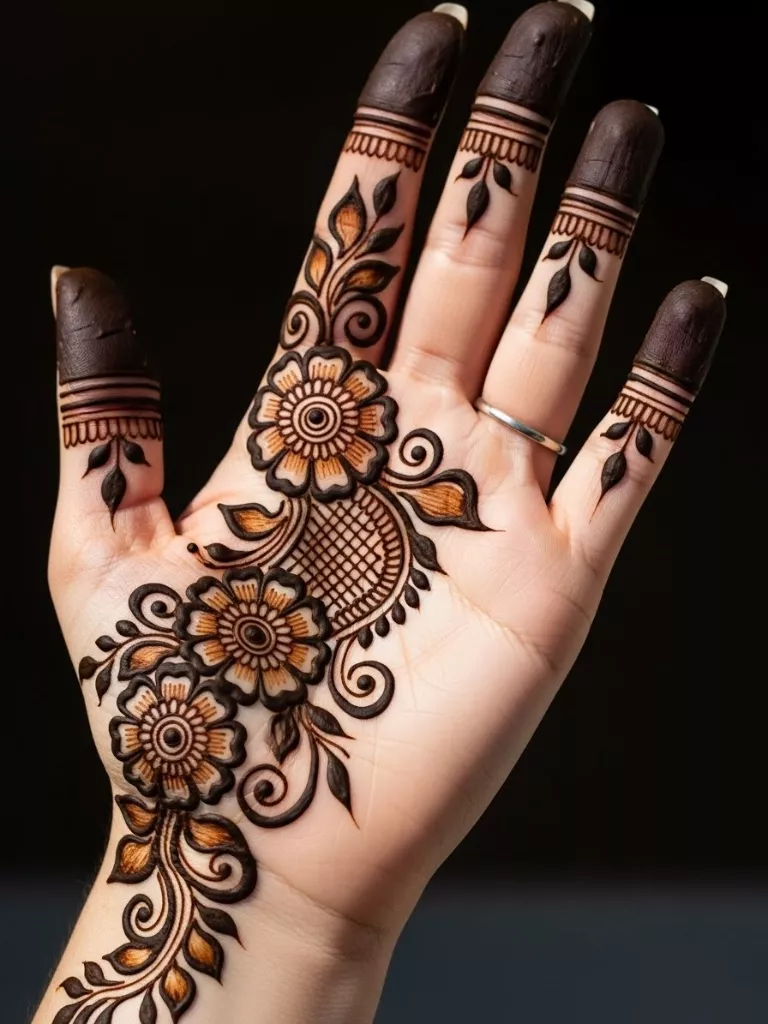
Half-hand designs cover part of the palm and fingers. Bold flowers dominate, with minimal finger details. It’s faster to apply than full-hand Mehndi and perfect for beginners.
Use flowing lines and leaves to create balance. This design works well for semi-formal events, parties, or quick henna sessions.
Focus on symmetry to keep it polished. Half-hand Mehndi is versatile, stylish, and easy to maintain. It’s a perfect mix of simplicity and elegance.
13. Vintage-Inspired Mehndi
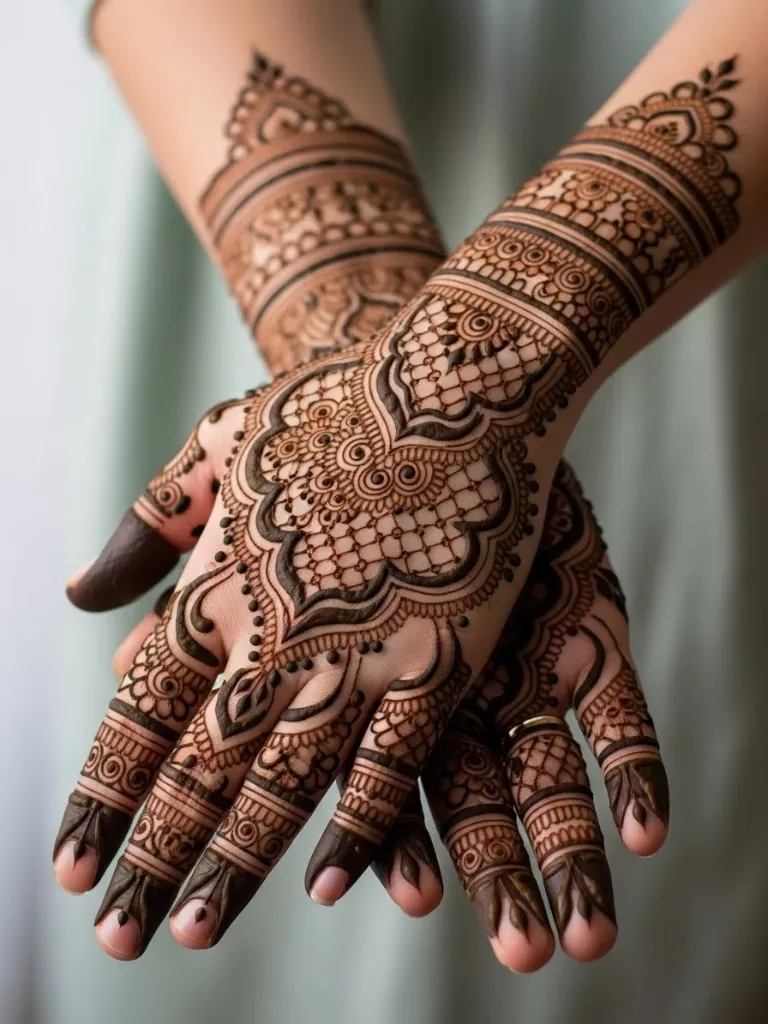
Vintage Mehndi draws from classic lace and floral textures. Start with small motifs and build around them. Gaps between designs add a delicate, airy feel.
This style works well for weddings, photoshoots, or casual gatherings. Focus on symmetry and gradual expansion from the center of the palm.
Vintage patterns are elegant, timeless, and budget-friendly. Use a fine-tip henna cone for precise detailing. This Mehndi style blends old-world charm with modern simplicity.
14. Half-Finger Mehndi
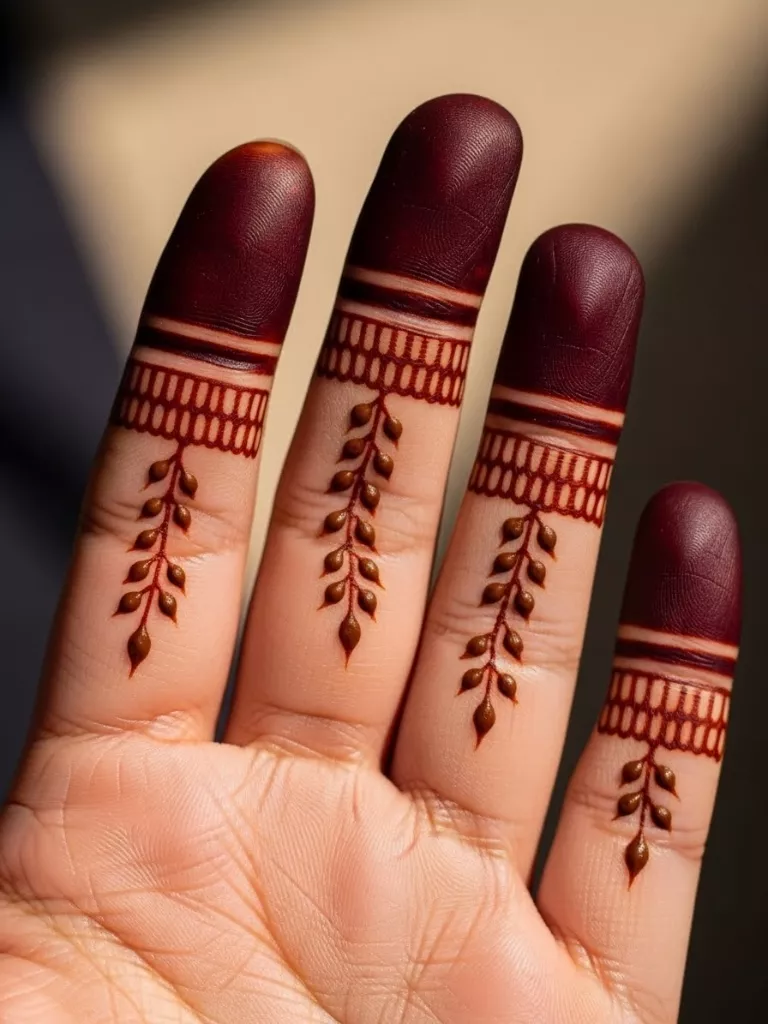
Half-finger Mehndi covers only finger tips. Add small swirls, flowers, or leaves toward the knuckle. Quick and easy, it dries faster than full designs. Perfect for casual events or beginners.
You can mix patterns on different fingers for variety. Pair with rings for a stylish look. This design is playful, minimal, and suitable for short-term celebrations. It’s easy to DIY and requires minimal henna.
15. Geometric-Fusion Mehndi
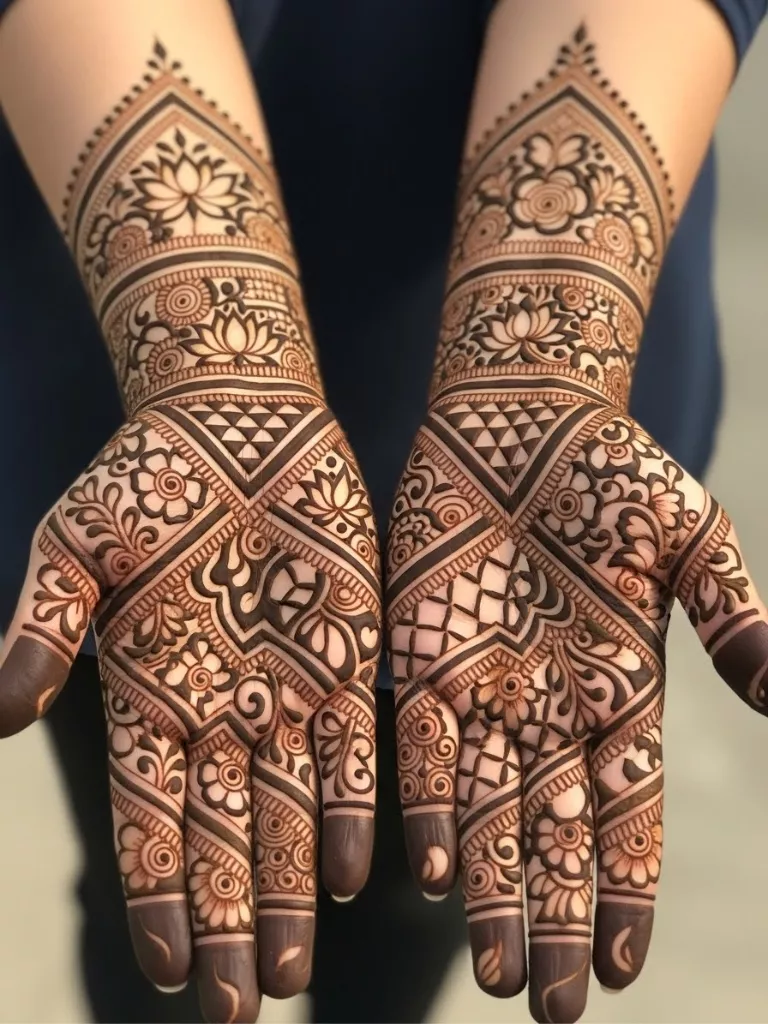
Geometric-fusion Mehndi mixes shapes and floral patterns. Start with triangles or diamonds on the palm, then add flowers along fingers. Sketch lightly with pencil first for symmetry.
Works for semi-formal events or artistic self-expression. The combination of sharp lines and curves makes hands unique. DIY-friendly and budget-conscious, this style allows flexibility in design.
It’s ideal for modern henna enthusiasts who want creativity with structure.
16. Simple Leafy Vines
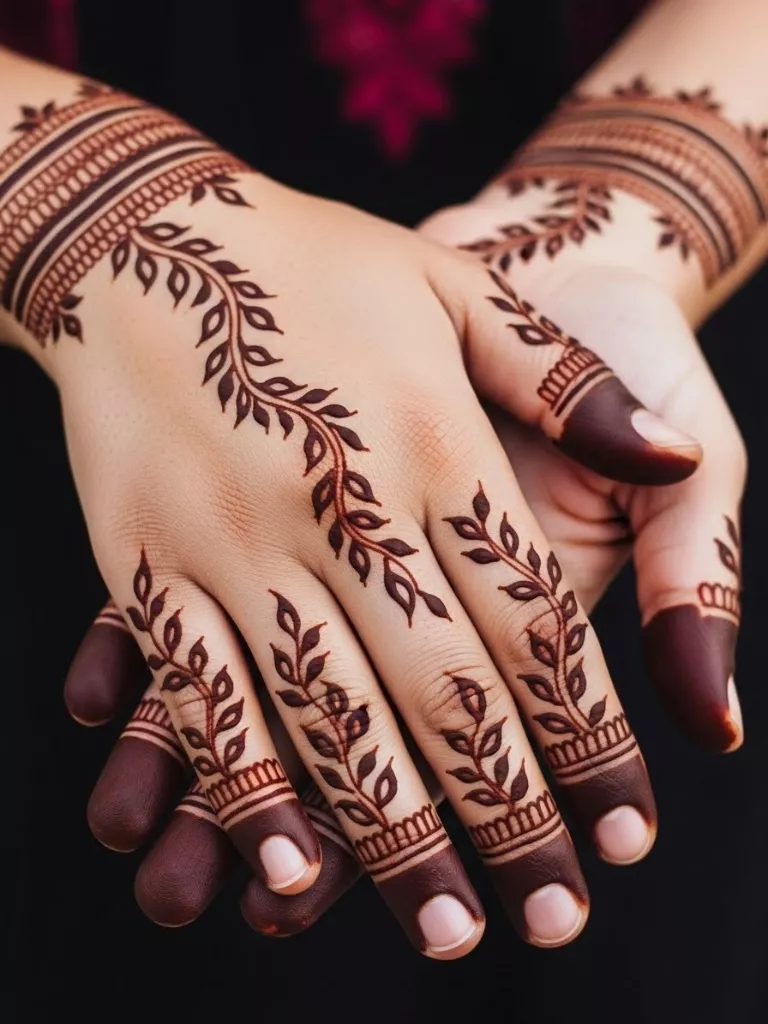
Leafy vines are subtle and elegant. Thin stems and small leaves can wrap along fingers or palm edges. Quick to apply, easy for beginners, and budget-friendly.
Focus on one side of the hand for minimal effect or extend to the wrist for elegance. Works for casual events, festivals, or photoshoots.
The airy look keeps hands refined without heavy coverage. Leafy vines are simple, charming, and versatile for everyday or special occasions.
Which Mehndi Design Matches Your Style?
Your Ideal Mehndi Design Is:
Conclusion
These 16 Mehndi Designs show that elegant henna doesn’t require professional skills. From bold floral statements to minimalist vines, each style fits a unique occasion and skill level.
Try patterns at home, mix motifs, and enjoy expressing creativity. With simple tips and practice, your hands can carry beautiful, artistic Mehndi every time.