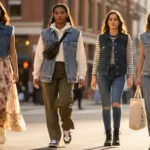
Fashion in 2026 feels more personal, relaxed, and realistic. People want clothes that work in real life, not just on screens. Comfort, repeat wear, and simple styling matter more than hype.
This year leans into wearable ideas that fit daily routines, small budgets, and changing moods. These trends focus on pieces you can restyle, thrift, DIY, or slowly build into your wardrobe without pressure.
Below are the 14 biggest fashion shifts shaping how people dress right now and what actually makes sense to try.
1. Soft Tailoring Takes Over
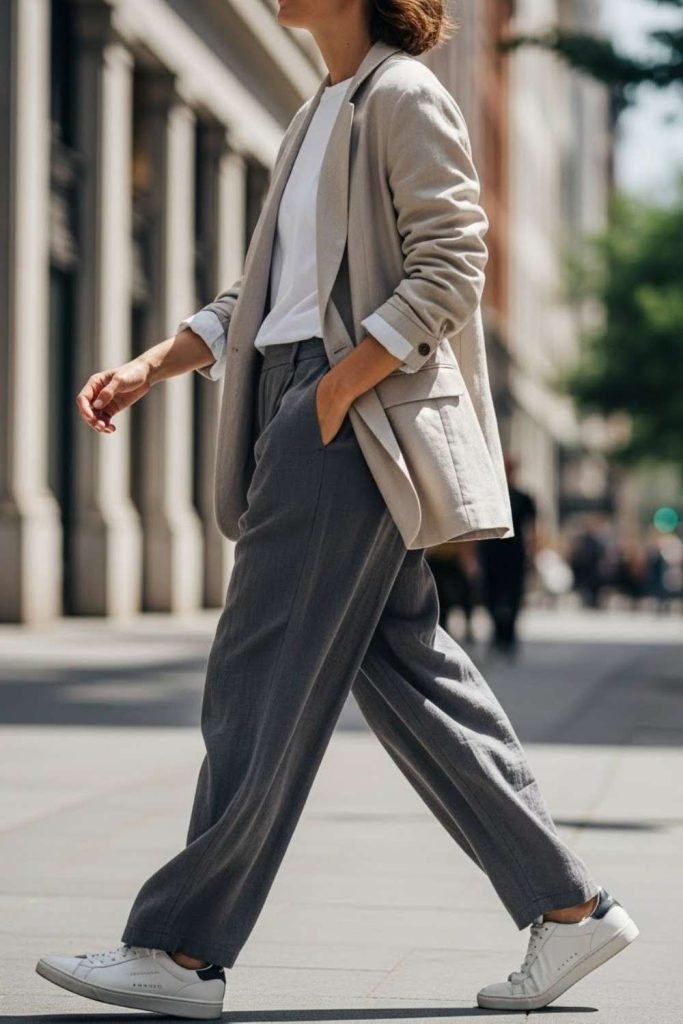
Soft tailoring replaces stiff office looks. Blazers feel lighter. Trousers sit easier on the body. The shape looks polished without feeling tight. This works well for daily wear, work-from-home days, or casual outings.
You can thrift oversized blazers and get the sleeves shortened. That small fix changes everything. Pair with a basic tee or tank. Add sneakers instead of heels. The look stays calm and wearable.
Choose fabrics that drape instead of holding sharp lines. Linen blends and lightweight wool work well. Stick to neutral shades for repeat outfits. Beige, grey, and muted brown style easily.
One good blazer can create many outfits. Wear it open, belt it, or layer it over dresses. Soft tailoring fits real schedules and real bodies.
2. Long Skirts Replace Skinny Jeans
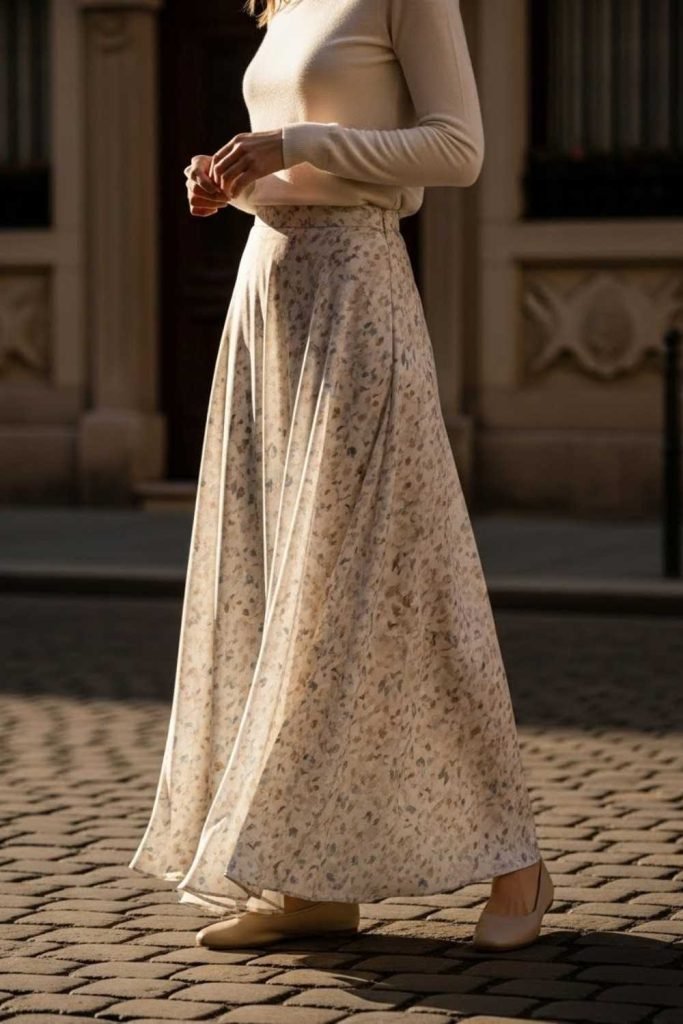
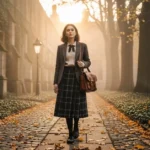
Long skirts feel easy and forgiving. They move better than tight denim and suit many body types. In 2026, they show up everywhere. Cotton, denim, satin, and pleated styles lead the way.
You can style one skirt for many seasons. Add boots in cooler months. Switch to sandals when it’s warm. Budget tip: check thrift stores for maxi skirts and hem if needed. Pair with fitted tops to balance volume.
Layer with cardigans or cropped jackets. Long skirts work for errands, travel, and casual dinners. They feel relaxed but still put together. This trend works well for anyone tired of squeezing into jeans.
3. Quiet Colors Dominate Outfits
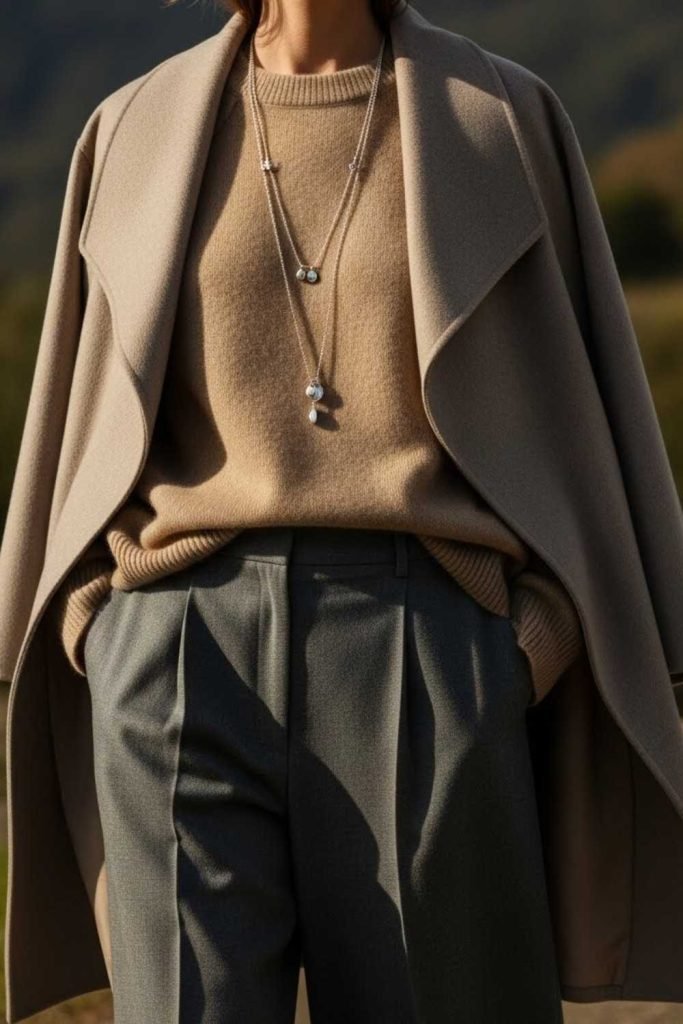
Bright colors step back in 2026. Soft shades feel calmer and easier to style. Think sand, stone, soft olive, and faded blue. These colors mix well and stretch your wardrobe further. You do not need many pieces to create full outfits.
Start small. Swap one loud item for a softer tone. Build outfits using two or three similar shades. This creates a clean look without effort.
Quiet colors also work well for layering. They feel wearable every day and suit many settings. This trend fits minimal wardrobes and slow shopping habits.
4. Matching Sets for Daily Wear
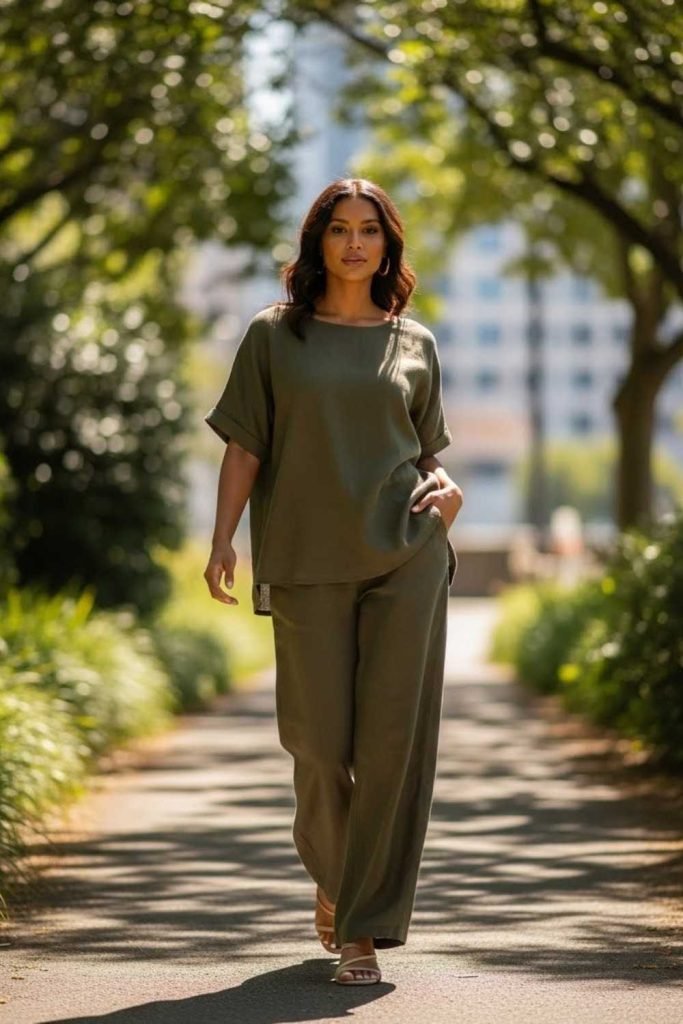
Matching sets save time. In 2026, they move beyond loungewear. Knit sets, cotton co-ords, and loose two-piece outfits feel polished enough for outside wear.
You can wear them together or mix each piece with other items. Budget-friendly sets show up in local markets and online sales. Neutral colors work best.
Add a belt, bag, or jacket for change. Matching sets help on busy mornings. They also pack well for travel. This trend works for comfort lovers who still want structure.
5. Practical Bags Become Style Pieces
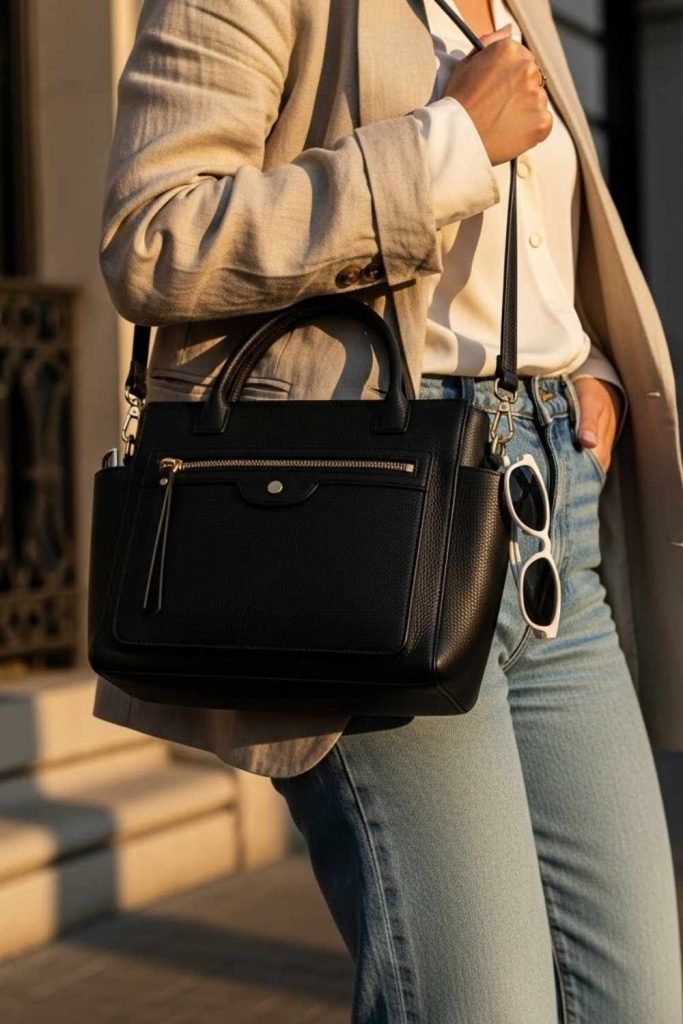
Tiny bags fade out. Practical bags take their place. Medium and large bags with pockets feel useful and stylish. Crossbody styles and soft totes lead this shift. People want space for daily items without sacrificing appearance.
Look for sturdy fabric and simple shapes. Canvas and faux leather work well. One good bag can last seasons. Choose colors that work with most outfits. This trend supports real-life use, not just photos.
6. Relaxed Denim Shapes
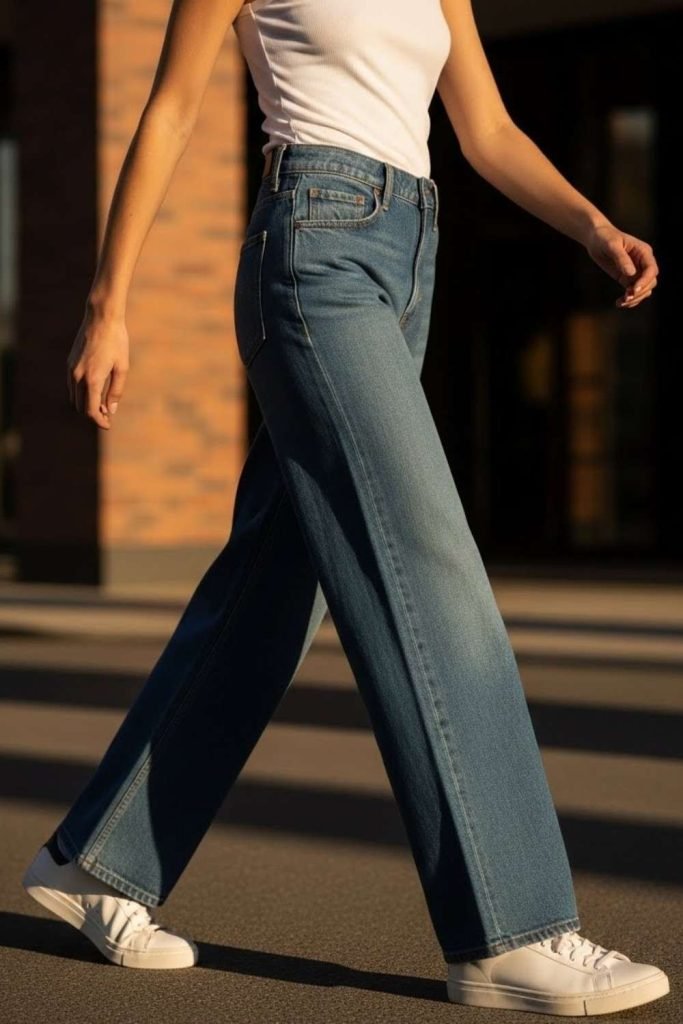
Denim loosens up in 2026. Wide-leg, straight, and slouchy fits feel more wearable. Tight styles step aside. These shapes allow movement and comfort. They also suit many body types.
Thrift stores often have relaxed denim at low prices. Focus on fit at the waist and hips. Length can be adjusted. Style with simple tops and flat shoes. Relaxed denim works for everyday outfits without effort.
7. Layered Basics Gain Attention
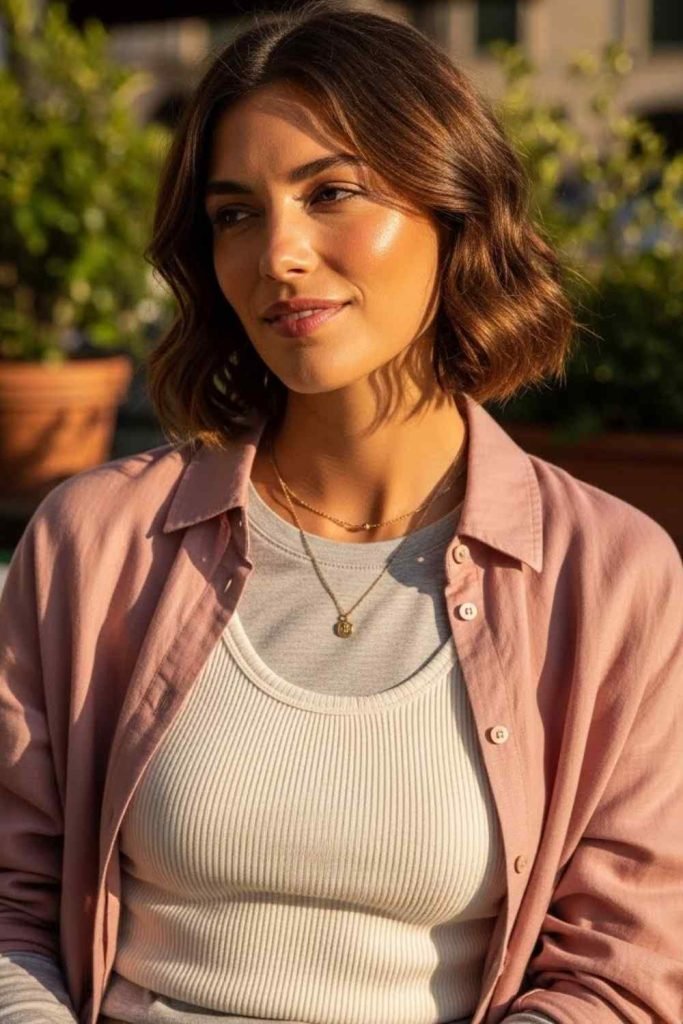
Simple layers matter more than statement pieces. Tanks under shirts. Shirts under knits. This creates depth without extra cost. You can use items you already own.
Stick to similar colors for a clean look. Play with fabric weight instead of bold prints. Layering helps across seasons and changing weather. It also refreshes old outfits.
8. Flat Shoes Stay Popular
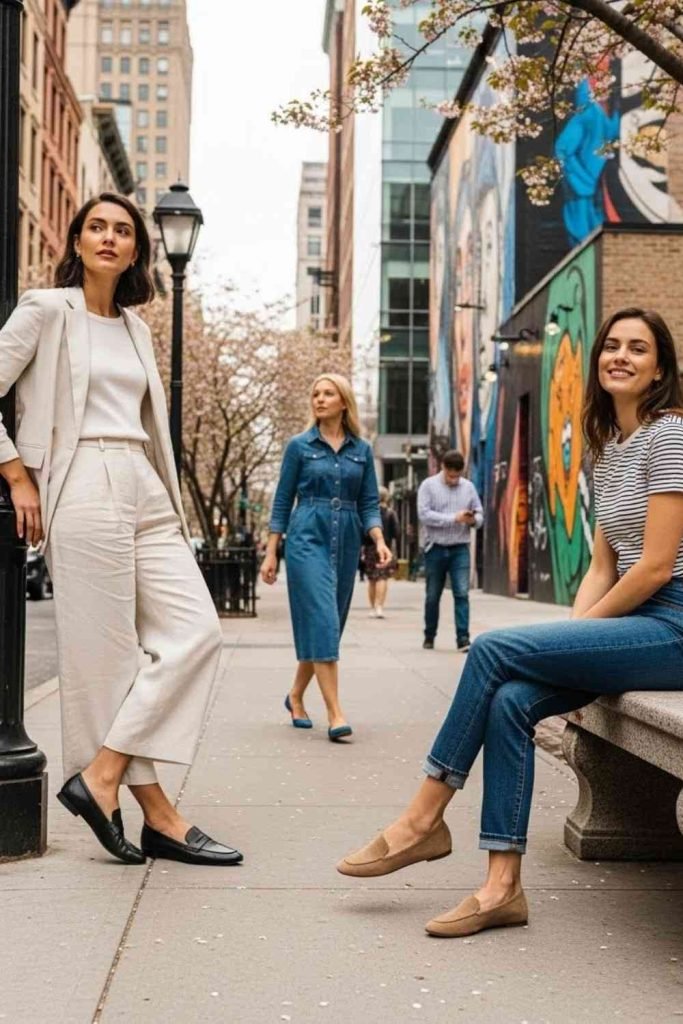
Comfort leads footwear choices. Flats, loafers, and soft sandals dominate. People choose shoes they can walk in all day. Style still matters, but comfort comes first.
Look for classic shapes. Avoid heavy logos. Neutral flats match more outfits. This trend saves money and feet.
9. Subtle Texture Over Prints
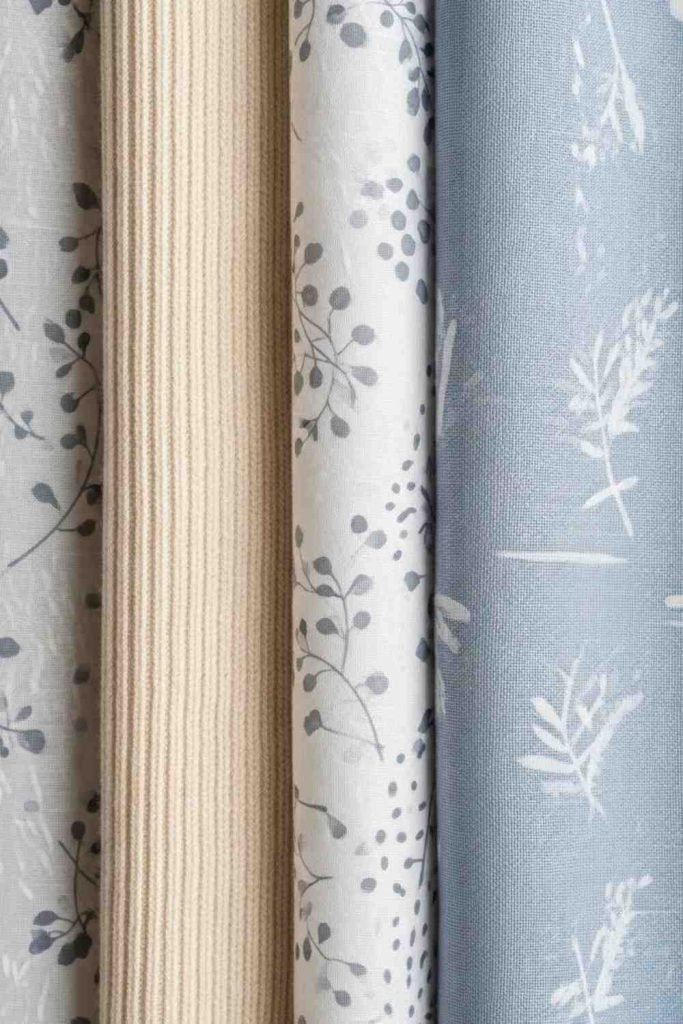
Prints quiet down. Texture steps in. Ribbed knits, crinkled cotton, and soft wool add interest without noise. These fabrics feel calm and wearable.
Texture adds depth to simple outfits. You can wear plain colors and still look styled. Focus on fabric feel when shopping.
10. Cropped Outerwear
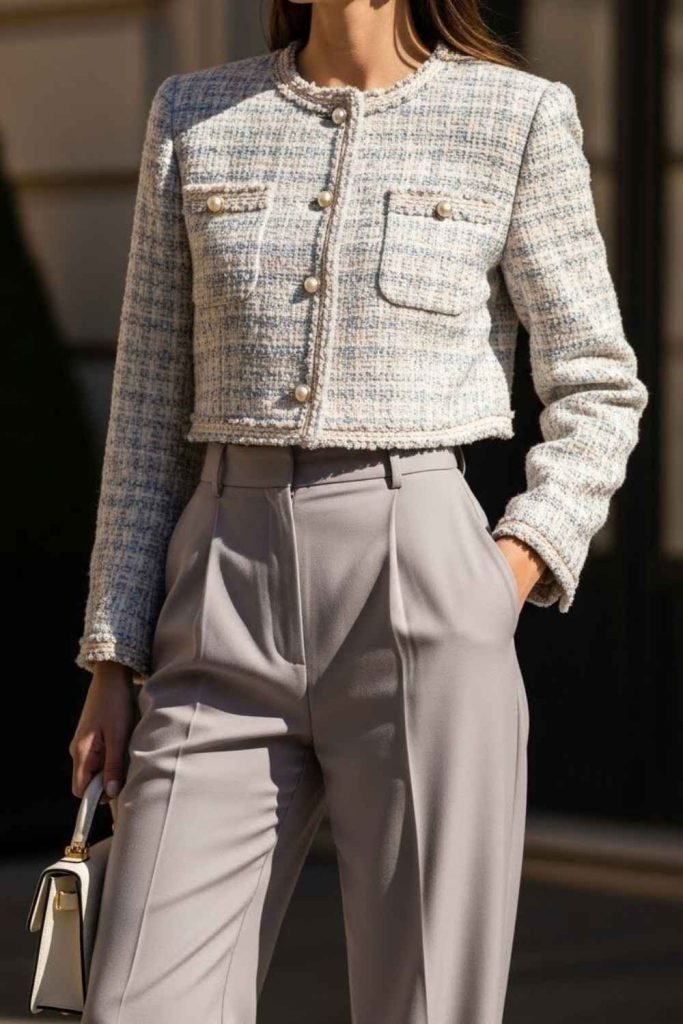
Cropped jackets and cardigans balance loose bottoms. They work well with high-waisted pants and skirts. This shape feels modern without effort.
You can crop old jackets with tailoring or DIY trimming. Keep it clean and simple. This trend adds shape without extra layers.
11. Everyday Dresses Get Simpler
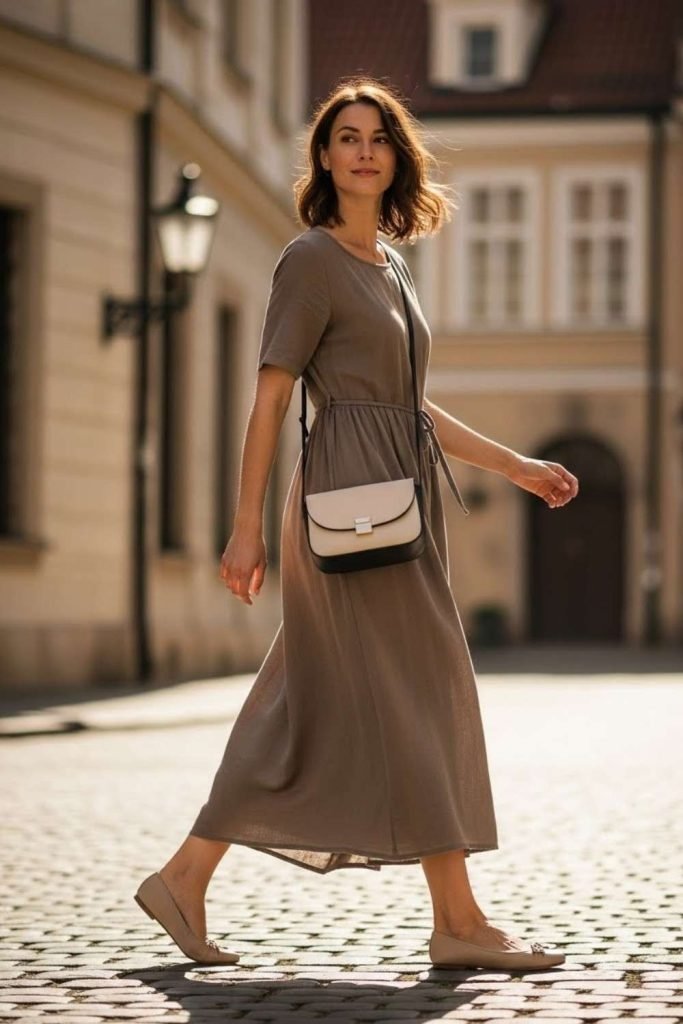
Dresses focus on ease. Simple cuts, soft fabric, and neutral shades lead. These dresses work for errands, workdays, and travel.
One dress can style many ways. Add layers, belts, or shoes to change the look. This saves space and money.
12. Minimal Accessories Matter
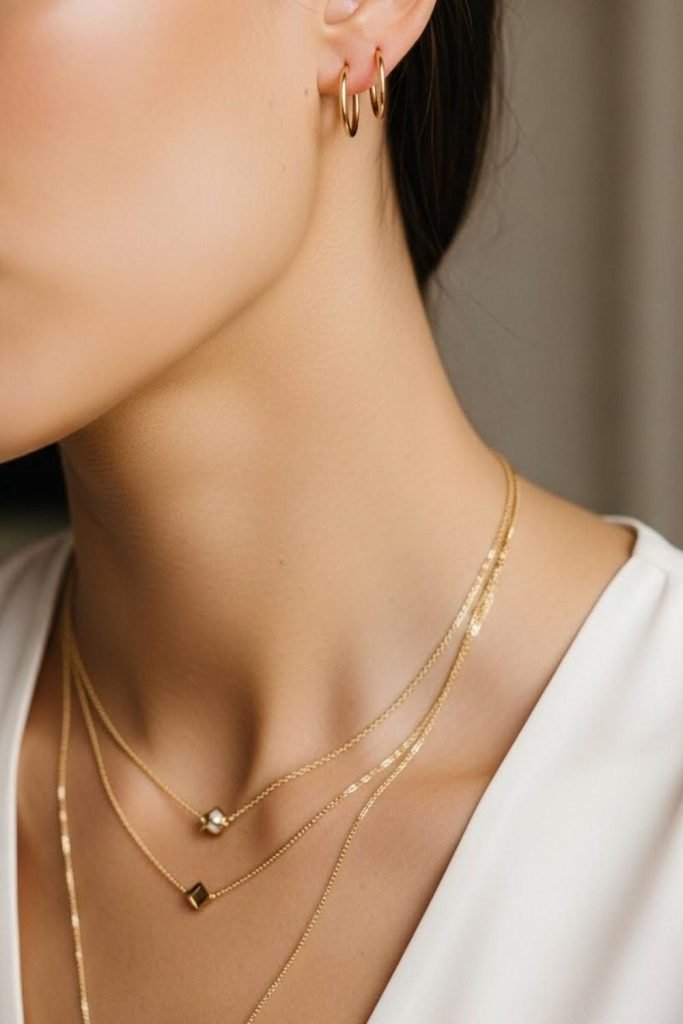
Accessories stay simple. Small hoops, thin chains, and soft scarves add detail without clutter. These pieces work daily.
Choose items you can wear often. Avoid trends that feel loud. Minimal accessories last longer and style easier.
13. Reworked Vintage Pieces
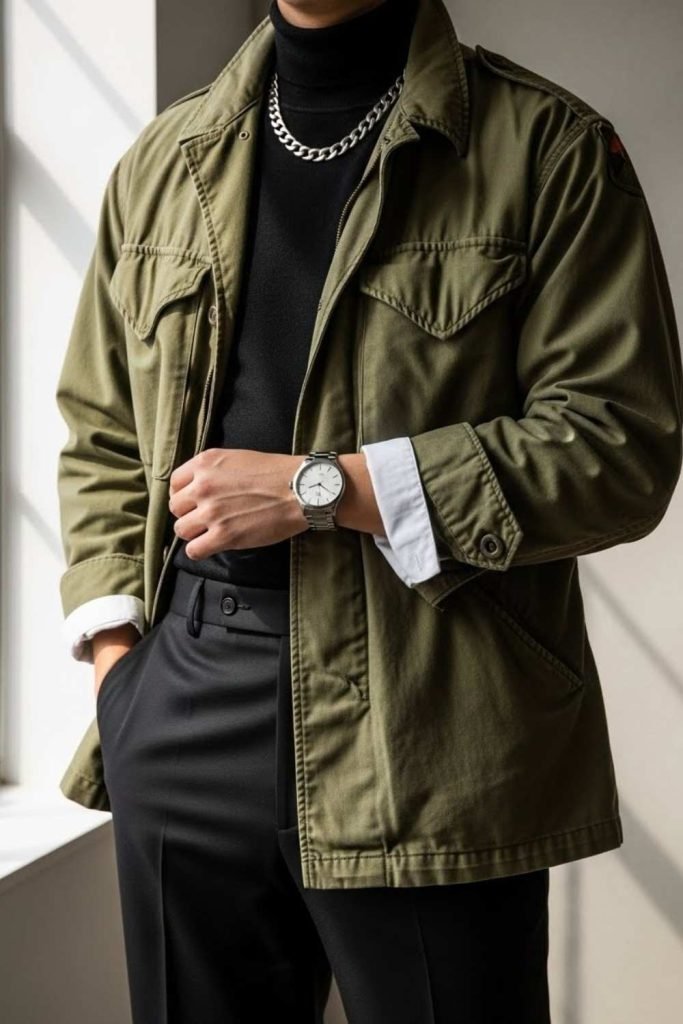
Old pieces find new life. Vintage jackets, shirts, and denim get restyled with modern basics. This saves money and adds character.
Tailoring small changes helps fit. Swap buttons or shorten hems. Vintage items bring personality without shopping new.
14. Personal Style Over Trends
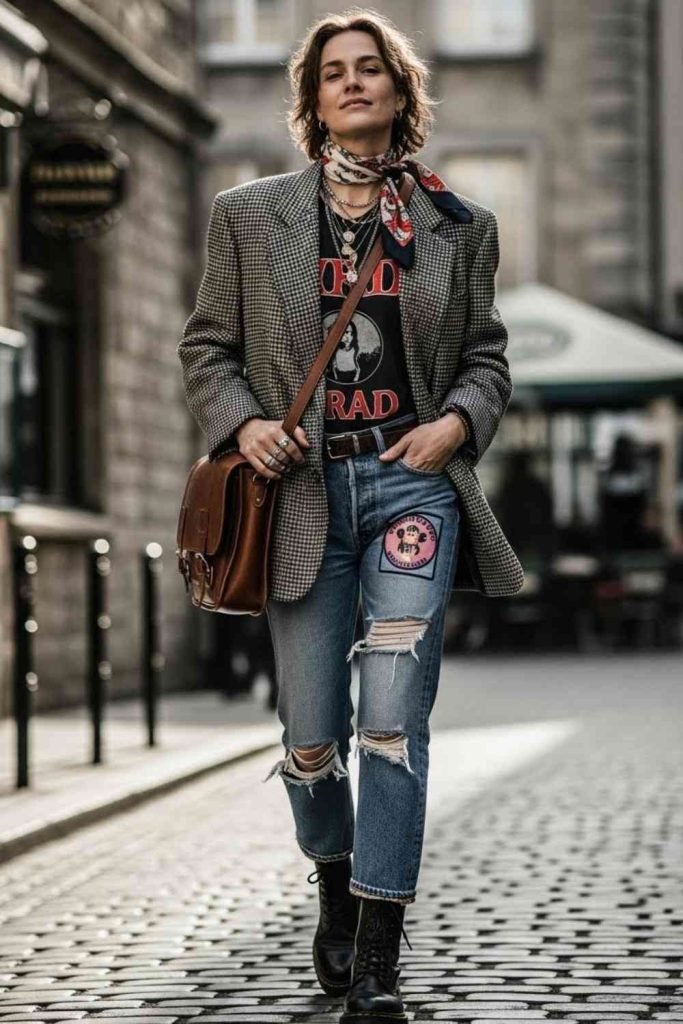
The biggest shift in 2026 focuses on personal comfort and taste. People wear what feels right for their life. Trends act as ideas, not rules.
Start with what you own. Add pieces slowly. Style matters more than labels. This approach feels realistic and long-lasting.
What 2026 Fashion Trend Fits Your Real Life?
Your 2026 Style Match:
Conclusion
2026 fashion trends focus on wearability, comfort, and repeat use. These ideas work with real budgets and real routines.
You do not need a full wardrobe change. Small updates make a difference. Try one trend at a time and shape it to fit your daily life.