
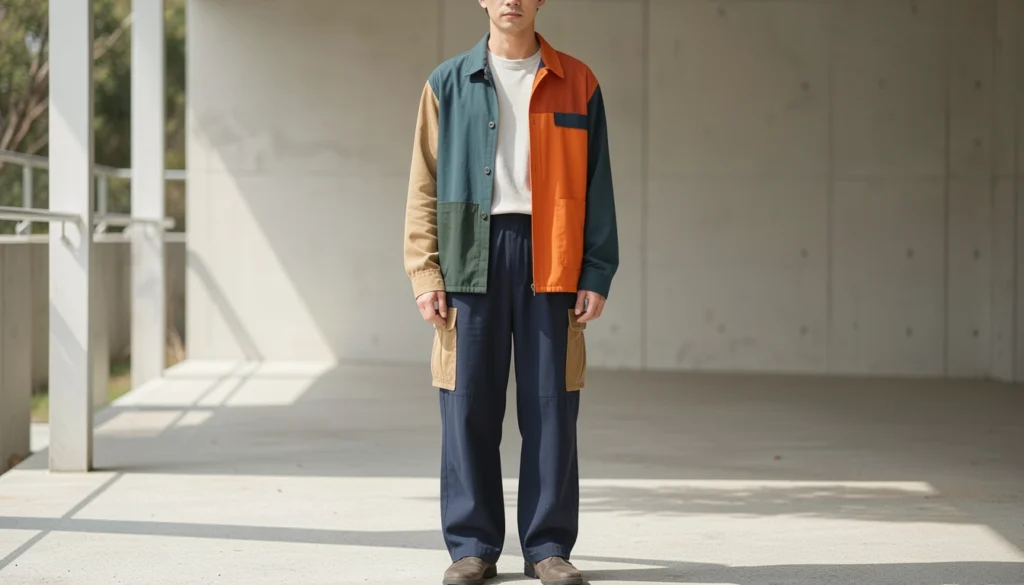
I pulled a navy top and red pants from my closet. They fought each other. The colors screamed instead of working together. My outfit felt top-heavy and restless.
I've done this too many times. Staring at pieces that promise bold but deliver mess.
Color blocking can sharpen your look. But only if the blocks fit your body right.
How to Choose Color Blocking Outfits
This shows you how I pick color blocking outfits that balance out. No guesswork. You'll get clean, wearable results that hold together all day.
What You’ll Need
- Solid Navy Cotton Blouse
- Red Structured Pants
- White Fitted Top
- Black Wide-Leg Trousers
- Mustard Layered Blouse
- Gray Lined Skirt
- Neutral Belt
- Simple Flat Shoes
Step 1: Pick Your Base Color Block

I start with one solid color that covers most of my body. Like a navy blouse over black trousers. This grounds everything. Without it, blocks float and fight.
Visually, your silhouette simplifies. Colors stack clean instead of bleeding.
People miss how the base sets the scale. Make it the biggest block—your torso or legs. Avoid starting with tiny accents; they unbalance fast.
Don't grab patterns here. Solids only. Patterns muddy the lines.
I feel steadier. The outfit holds shape before I add more.
Step 2: Add One Strong Contrast
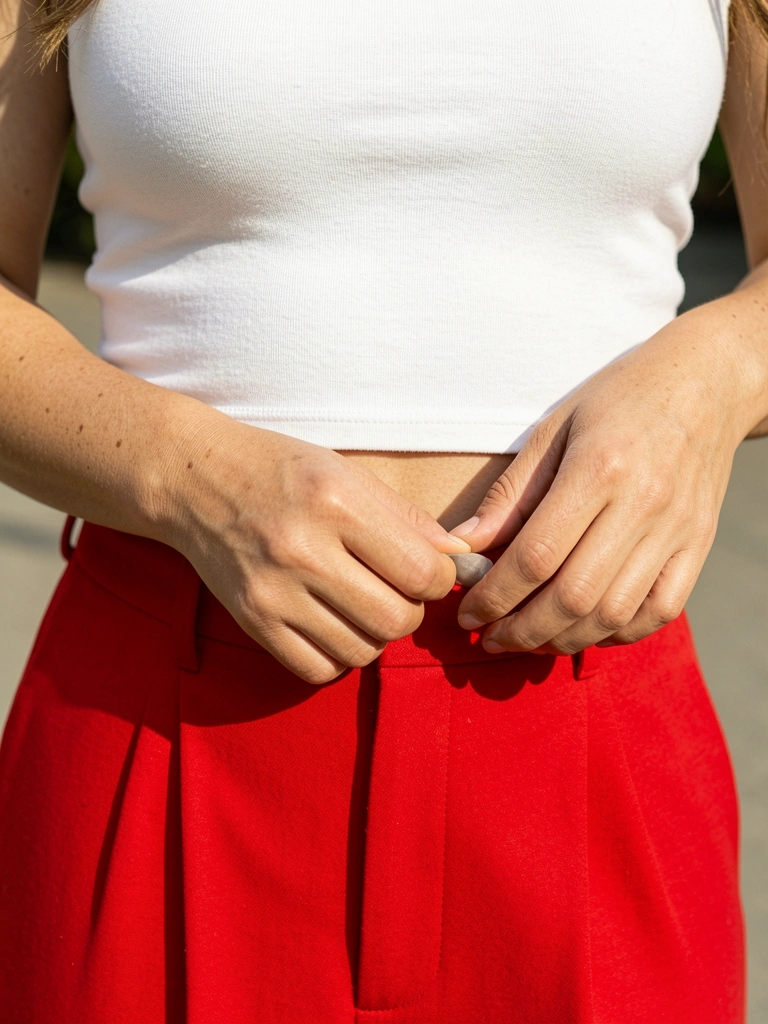
Next, I layer in one bold opposite. White top under navy, or red pants against black. It draws the eye without chaos.
Now, two clean blocks emerge. Proportions start to talk—top versus bottom.
The insight? Contrast wakes the neutral base. But pick hues next to each other on the wheel, like navy and red. Skip clashing primaries early.
Mistake to dodge: Overdoing saturation. Muted tones blend better for daily wear.
My reflection sharpens. Blocks feel intentional.
Step 3: Check Vertical Balance
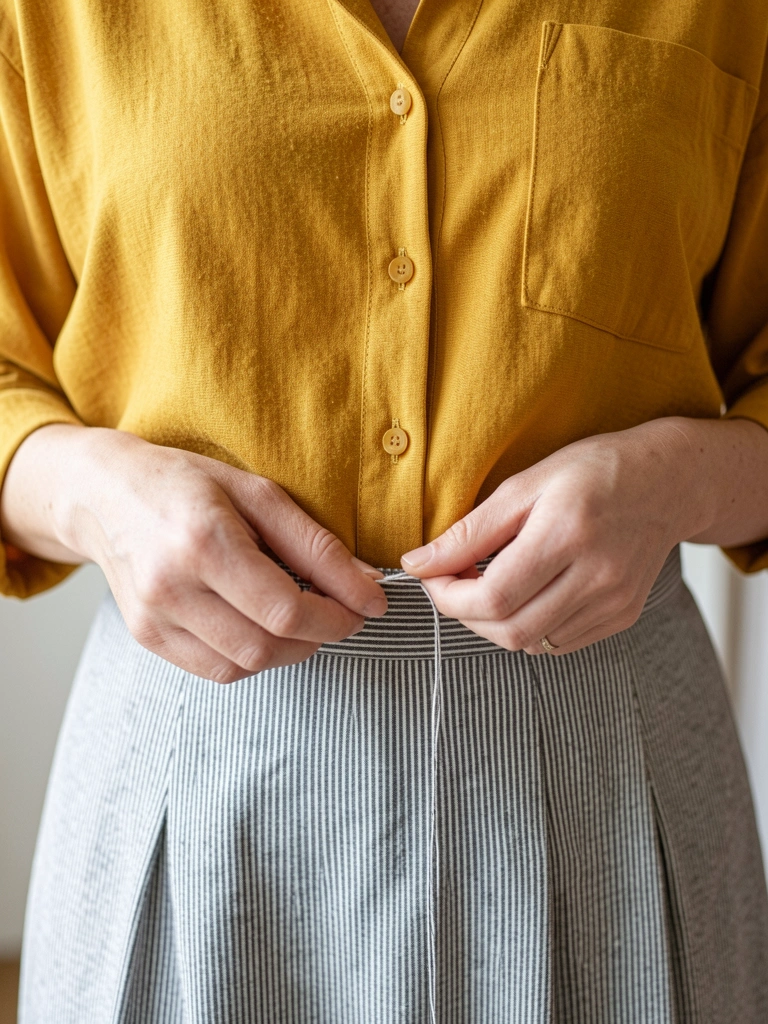
I stand back and scan top-to-bottom split. Does the horizontal line at my waist divide evenly? Navy top to red pants—half and half works.
Colors now frame my height. Tall lines if blocks align vertically.
Folks overlook waist placement. Higher waists shorten legs; low ones widen hips. Aim for natural break.
Skip belts that cut awkwardly. A neutral one tames if needed.
Balance clicks. I move without shifting.
Step 4: Test Side-By-Side Fit

I hold pieces side by side in mirror light. Navy blouse against red pants—do edges align sharp?
Blocks sharpen or soften here. Even hems make geometry pop.
Hidden tip: Fabrics matter for edges. Cotton holds crisp; silk blurs. Match weights.
Avoid bunching fabrics. They fake uneven blocks.
Feels right. Proportions lock in.
Step 5: Walk and Adjust
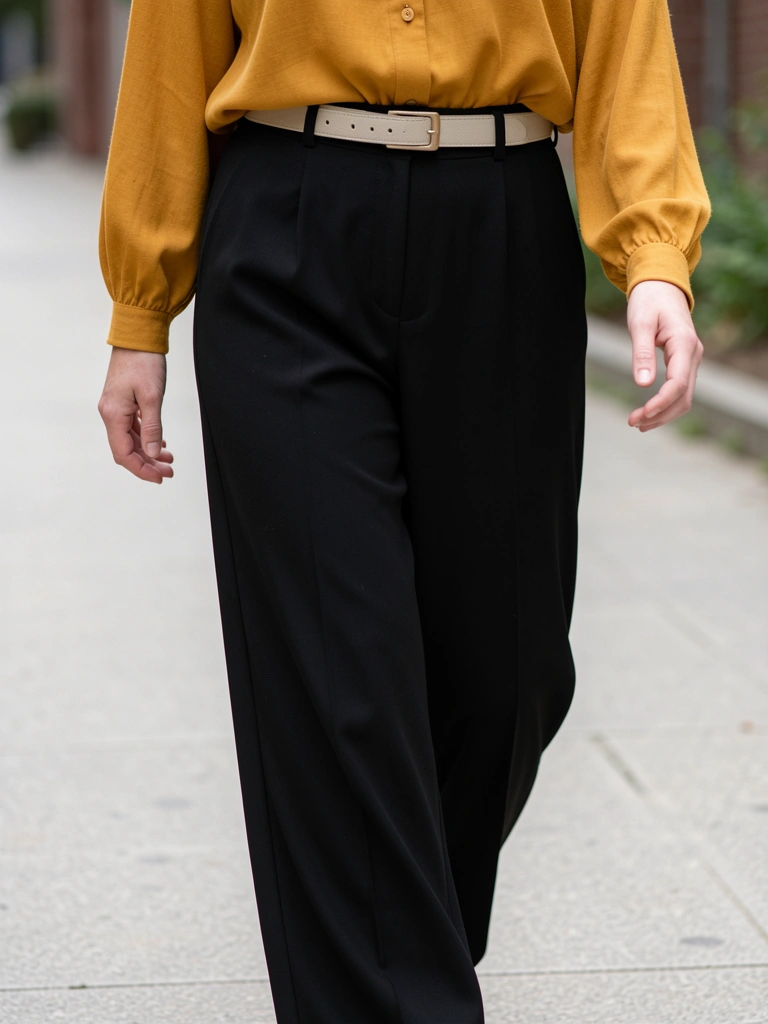
I walk the room. Does navy-red hold? Tugs mean resize blocks.
Motion reveals truth. Colors stay put or wander.
People forget real movement. Static mirror lies.
Don't force tight fits. Room to breathe keeps blocks stable.
Outfit settles. Ready to wear.
Easy Color Combos I Rely On
Navy and white always works. Clean, everyday base.
Red and black grounds bold days. No overwhelm.
- Navy + mustard: Warms neutrals.
- Gray + white: Softens edges.
- Black + red: Sharpens lines.
These pull from my closet staples. Test one pair first.
When Color Blocking Feels Off
I've skipped it on pattern-heavy days. Blocks get lost.
Body-wise, wide blocks suit straight shapes. Narrow for curves.
Common fix:
- Too much color? Pull back to two.
- Uneven? Swap top-bottom sizes.
Keeps it wearable. Not every day needs blocks.
Accessorizing Without Ruining Blocks
I add flats that match one block. Black shoes with black pants echo.
Belts in neutrals divide clean.
- Skip logos—they break lines.
- One necklace max, thin chain.
Accessories support, not steal. Balance stays.
Final Thoughts
Start with two blocks only. Your closet has them.
These choices build confidence. Outfits feel balanced, not forced.
Wear it out. Tweak next time. Simple routine, real results.