
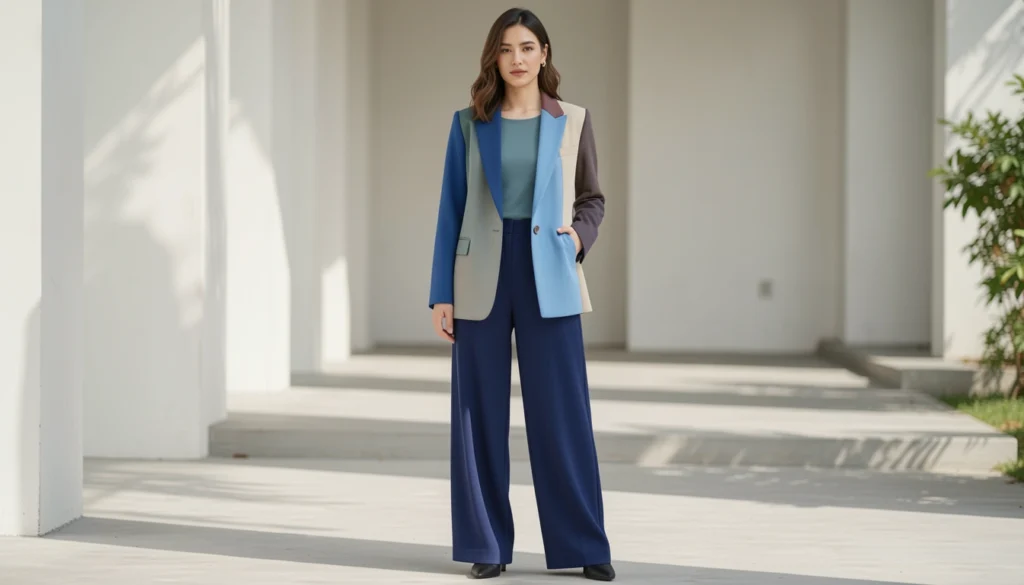
I once pulled on a bright blazer over black pants for a dinner. It felt wrong—too boxy, colors clashing like leftovers.
Color blocking in formal wear can look sharp if balanced. But most times, it tips into busy.
I've fixed it enough to know the feel. Here's how I make it work without second-guessing.
How to Wear Formal Color Blocking Outfits
This guide shows my exact way to layer two or three colors in formal pieces so the outfit holds together. You'll end up with clean lines that feel right from every angle. No guesswork, just wearable results.
What You’ll Need
- [Tailored navy blazer](https://www.amazon.com/s?k=tailored+navy+blazer+wool+blend&tag={{flowpinsystem-20}}
- [Crisp white button-up shirt](https://www.amazon.com/s?k=crisp+white+button-up+shirt+cotton&tag={{flowpinsystem-20}}
- [Bold red wide-leg pants](https://www.amazon.com/s?k=bold+red+wide-leg+pants+wool&tag={{flowpinsystem-20}}
- [Black slim trousers](https://www.amazon.com/s?k=black+slim+trousers+wool+blend&tag={{flowpinsystem-20}}
- [Structured black loafers](https://www.amazon.com/s?k=structured+black+loafers+leather&tag={{flowpinsystem-20}}
- [Thin gold belt](https://www.amazon.com/s?k=thin+gold+belt+structured&tag={{flowpinsystem-20}}
- [Minimal gold earrings](https://www.amazon.com/s?k=minimal+gold+earrings+simple&tag={{flowpinsystem-20}}
Step 1: Pick Two Strong Colors That Sit Well Together
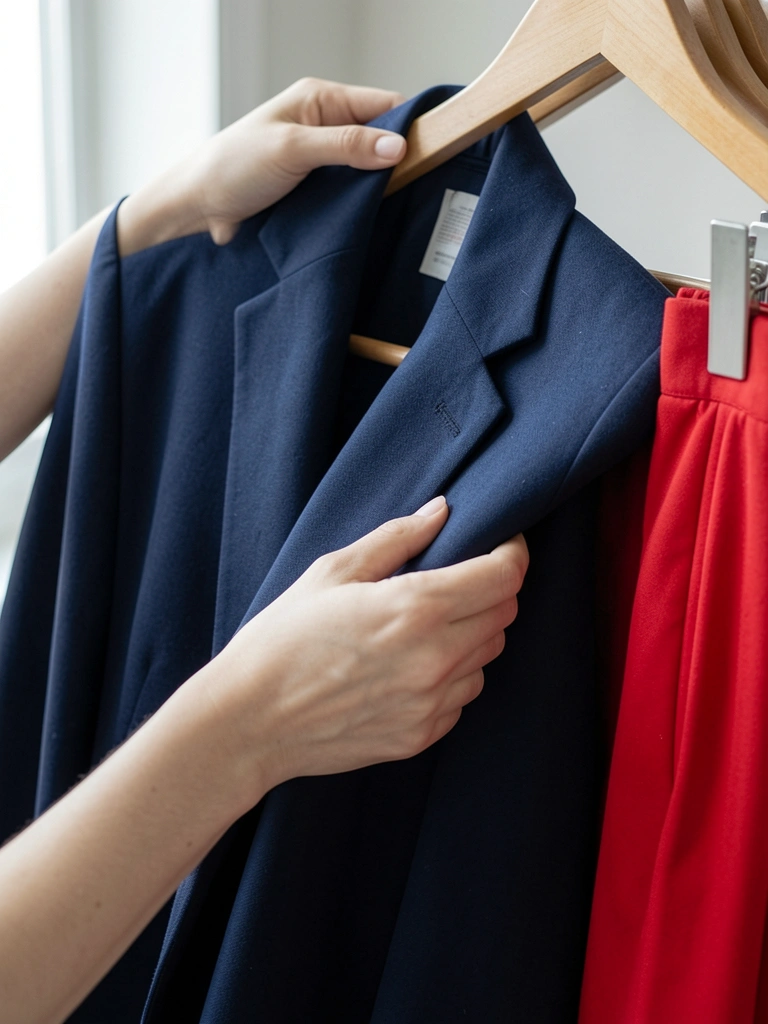
I start in my closet with just two colors—navy and red, say. One cool, one warm. This keeps the block simple.
Visually, it shifts from muddled to defined. The eye follows the clean split.
People miss how neutrals ground it—don't skip black pants as base. Avoid three colors early; it overwhelms the shape.
I feel the balance right away when colors echo but don't fight.
Step 2: Layer Top Over Bottom for Sharp Lines
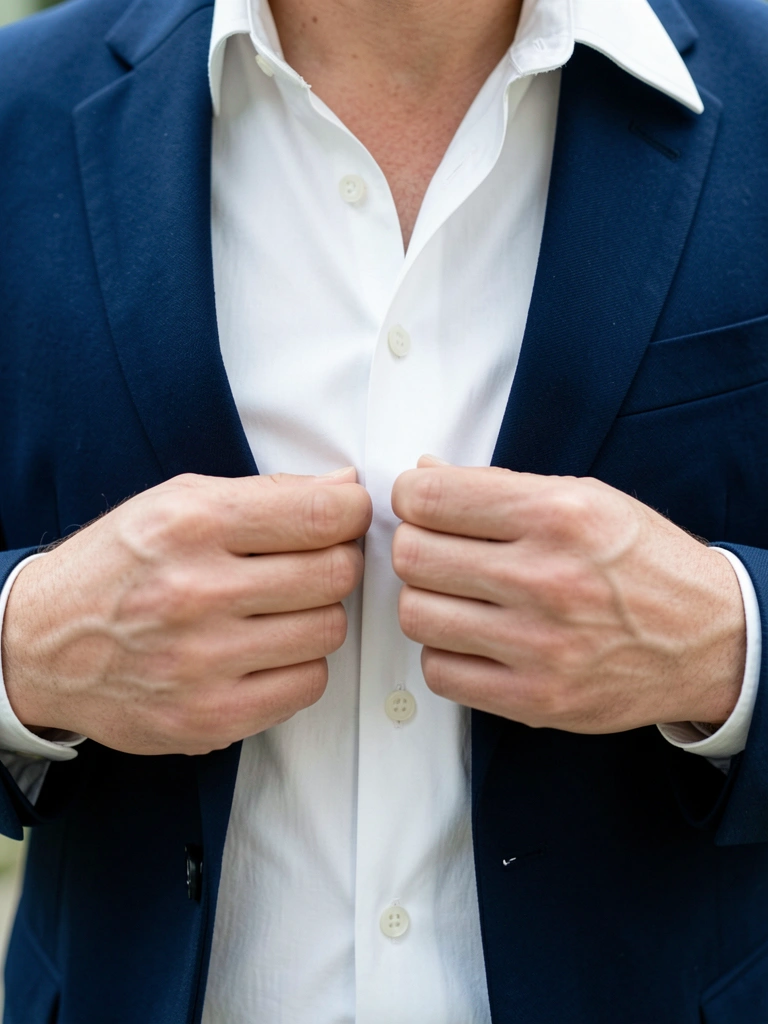
Next, I slip on white shirt, then navy blazer over red pants. The block hits at the waist—top ends, bottom starts.
It changes the look to tall and even. Proportions lock in.
The insight? Blazer hem skims hips exactly. Mistake to avoid: tucking everything tight—it shortens your legs.
This feels put-together, like the outfit knows its place.
Step 3: Balance Proportions with Pant Cut
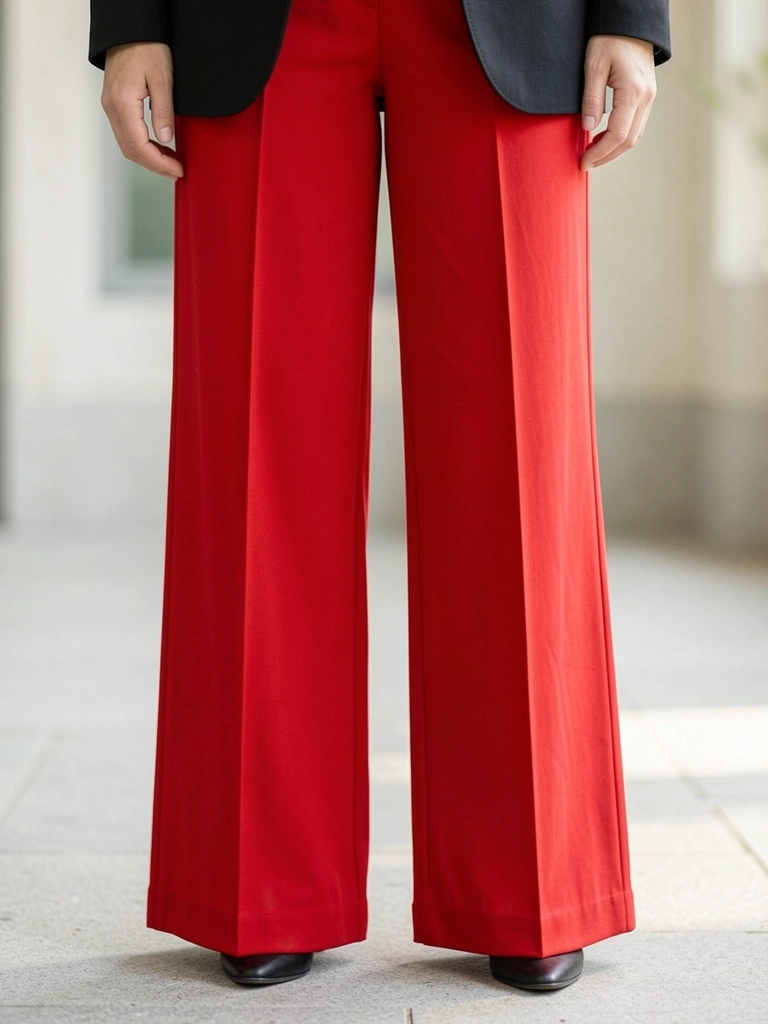
I choose wide-leg pants to match blazer volume. Slim up top, fuller below—or reverse.
Now the silhouette evens out, no heavy top trapping.
Most overlook pant rise—high waist pulls the block up. Don't wear low-rise; it chops the line.
I tug the fabric, see it flow straight. Comfortable weight settles right.
Step 4: Add One Neutral Anchor Piece
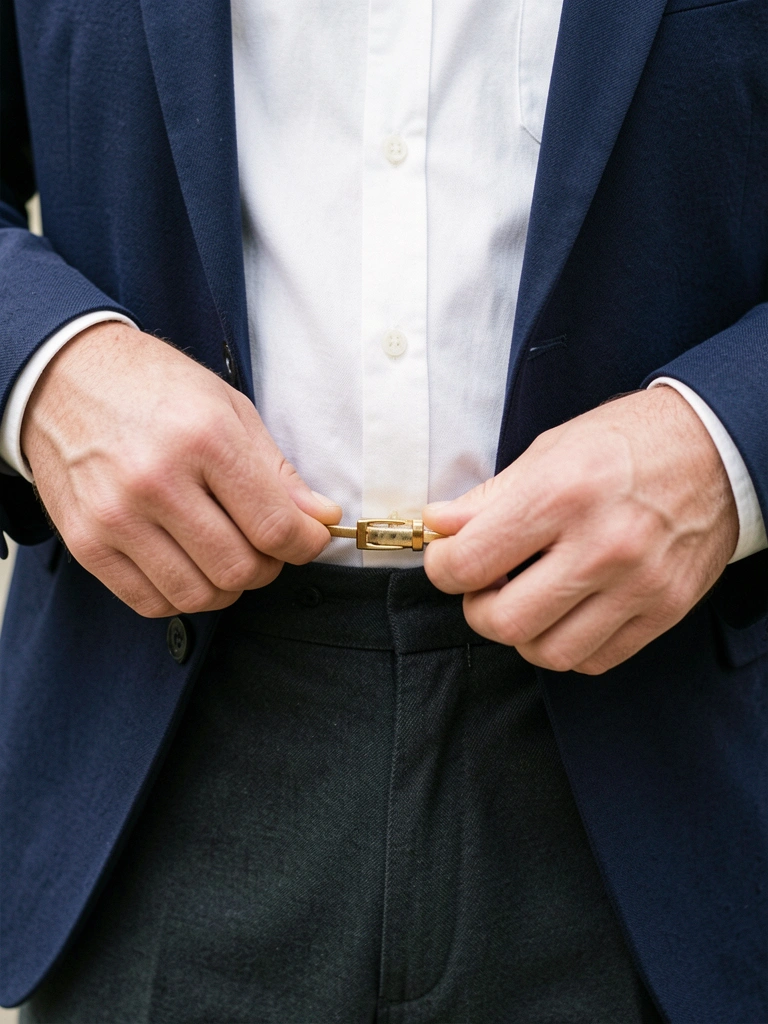
I cinch a thin gold belt at the block's edge. It pulls navy and red into one unit.
Visually, chaos turns crisp. The belt whispers unity.
Key miss: no shine at all—it dulls formal feel. Avoid chunky belts; they bulk the middle.
Feels secure now, like the outfit won't shift.
Step 5: Finish with Feet and Face for Full Balance
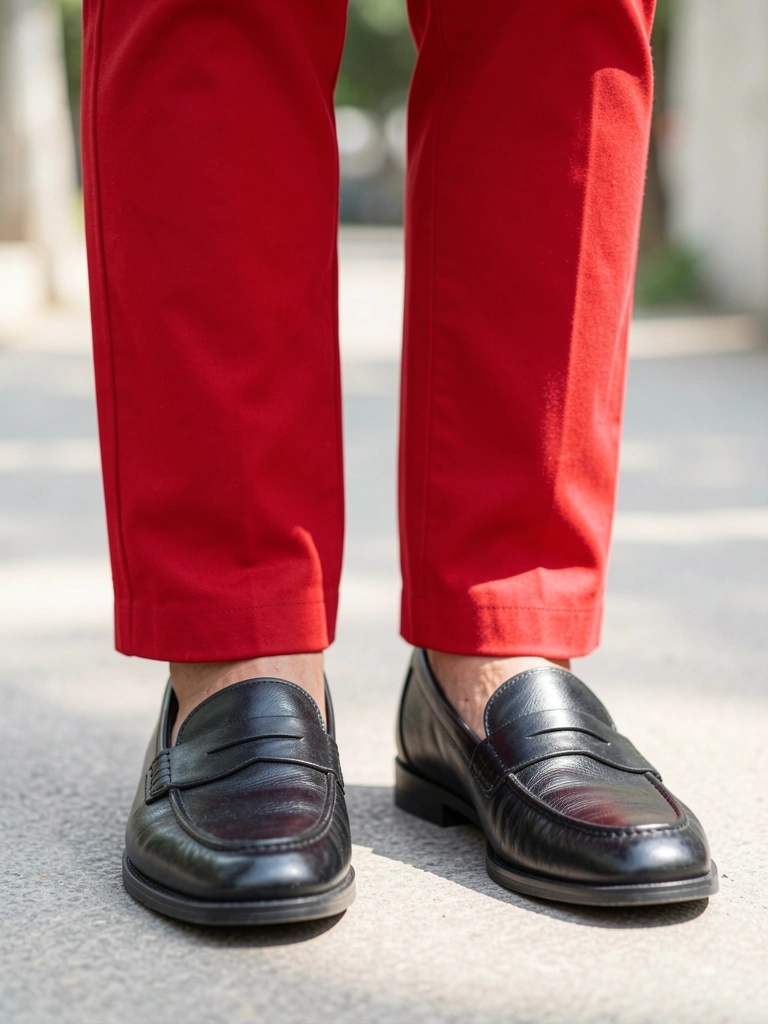
Black loafers ground it. Minimal gold earrings keep face clean.
The whole look breathes—balanced head to toe.
People forget shoes steal height; pointed ones stretch lines. Skip loud colors here.
I walk around, feel even pull. Ready.
Common Mistakes I Used to Make
I learned these the hard way.
- Colors too close in tone—looks flat, not blocked.
- Overlayering shirts under blazers—adds bulk at shoulders.
- Ignoring light: Navy reads darker indoors, throws balance.
Now I check in mirror under different lamps. Simple fix.
Easy Variations for Different Events
Switch it up without starting over.
- Day office: Navy blazer, black pants, white shirt.
- Evening: Red pants swap to black trousers, add belt shine.
Keeps the block but shifts mood. Test one change at a time.
Pairing with Accessories
Accessories stay back.
- Belt or earrings only—gold links colors.
- No bags or necklaces; they crowd blocks.
I limit to two pieces. Feels open, intentional.
Final Thoughts
Start with your closet basics. Try two colors once.
You'll see the balance click.
It works because it's simple. Wear it out, feel steady. Your outfits settle right.