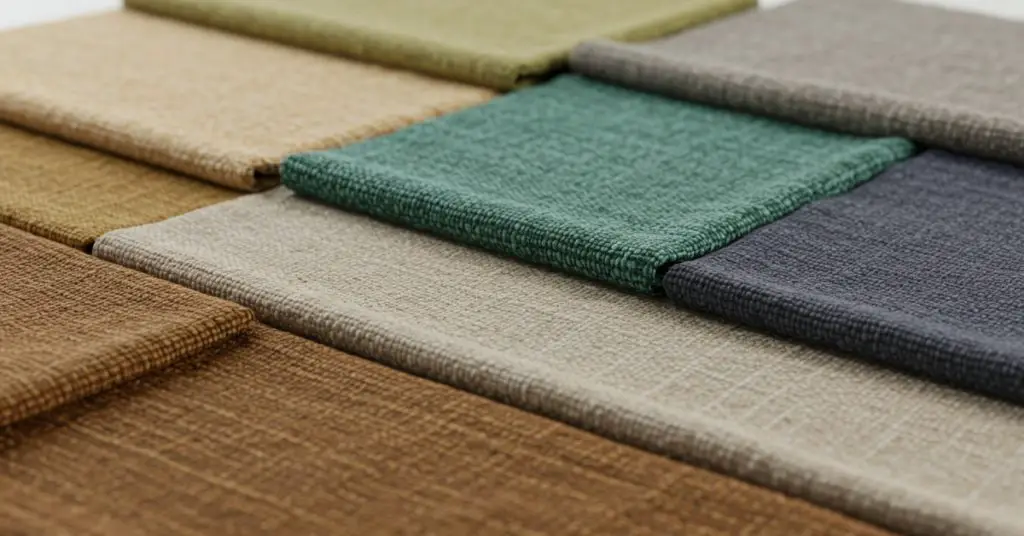
Fashion is changing, and fabric choice plays a big role in that change. Today, more people want clothes that look stylish and care for the planet.
That’s where eco-friendly fabrics come in. They are made with fewer chemicals, less water, and often last longer than fast-fashion materials.
If you’re looking to dress well while being kinder to the earth, these fabric choices can help. Here are 10 eco-friendly fabrics every fashion lover should know and how to add them to your wardrobe.
1. Organic Cotton
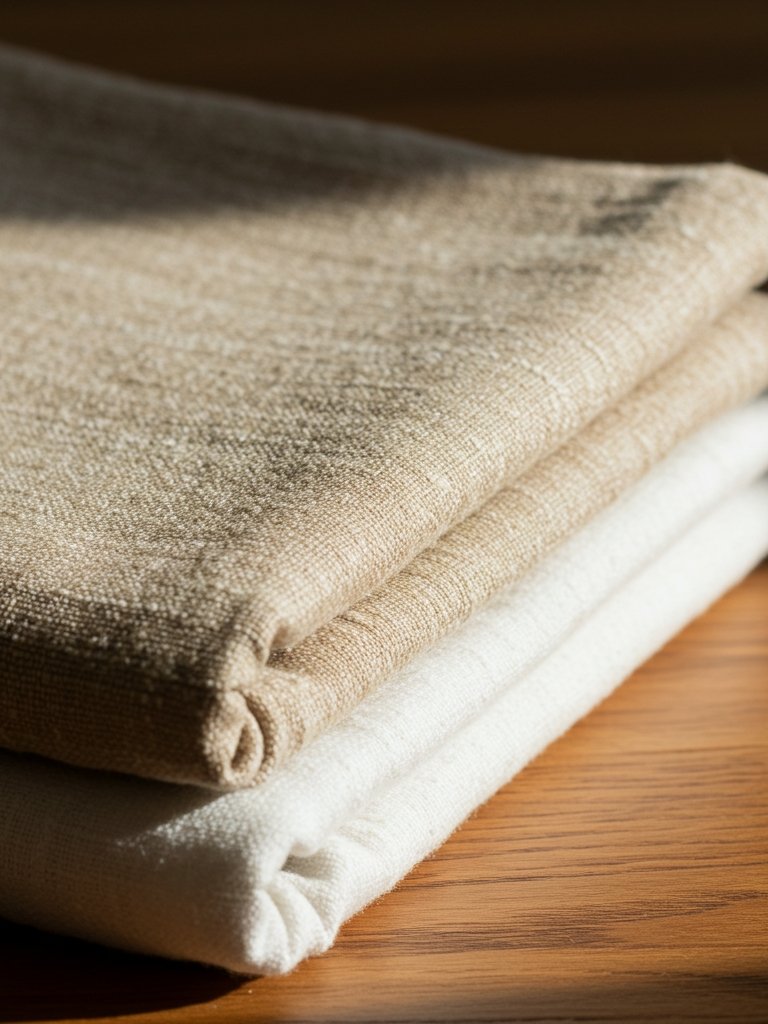
Organic cotton is one of the most popular planet-friendly fabrics. Unlike regular cotton, it’s grown without harmful pesticides. This makes it safer for farmers, the environment, and your skin. Clothes made from organic cotton feel soft, breathable, and durable.
For budget-friendly choices, check second-hand stores or online resale shops where organic cotton basics are common. If you’re shopping new, look for brands that label their items with “GOTS certified organic cotton.”
DIY lovers can reuse old cotton sheets or shirts to make tote bags or cleaning rags instead of buying new ones. This keeps waste out of landfills and gives the fabric a longer life. Choosing organic cotton is a simple way to wear clothes that are both stylish and responsible.
2. Hemp
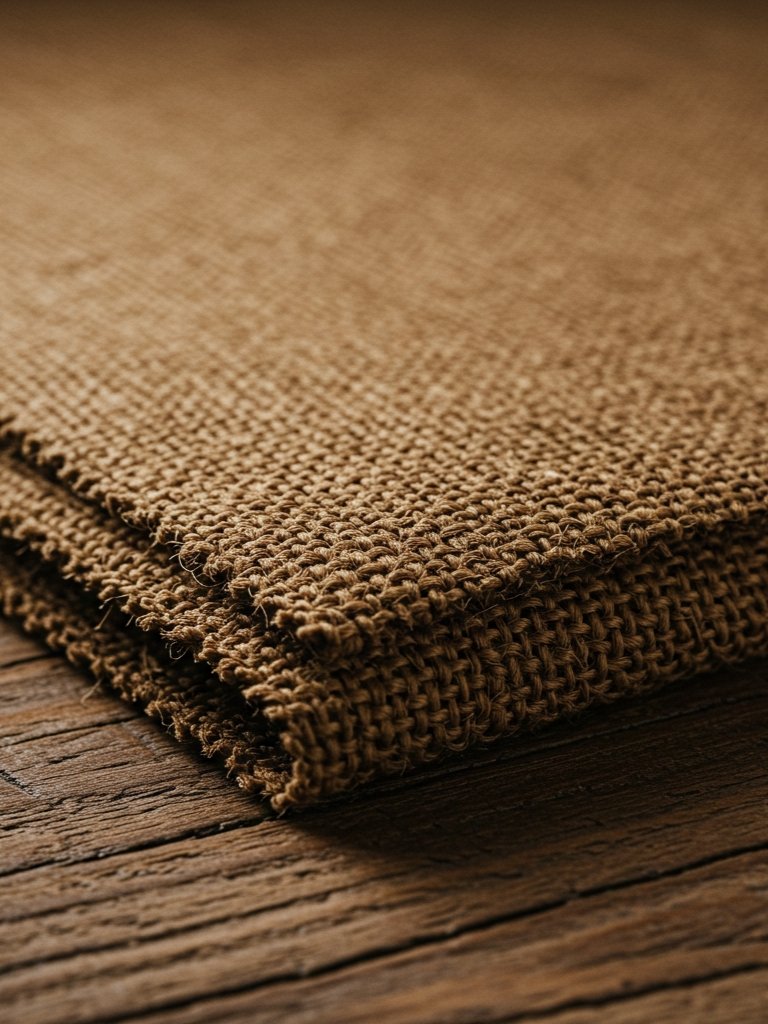
Hemp has been around for centuries, and it’s making a big comeback in fashion. It grows quickly, doesn’t need much water, and resists pests naturally. The fabric is strong yet softens with each wash, making it a great everyday choice.
Hemp clothing is often casual, like shirts, trousers, and tote bags. For a budget-friendly idea, start with small hemp accessories such as hats or scarves. They’re affordable and easy to mix into your wardrobe.
If you like DIY projects, hemp fabric works well for sewing durable grocery bags or cushion covers. It’s a strong fiber, so your creations will last longer than synthetic options. By choosing hemp, you get clothes that are stylish, long-lasting, and planet-conscious.
3. Linen
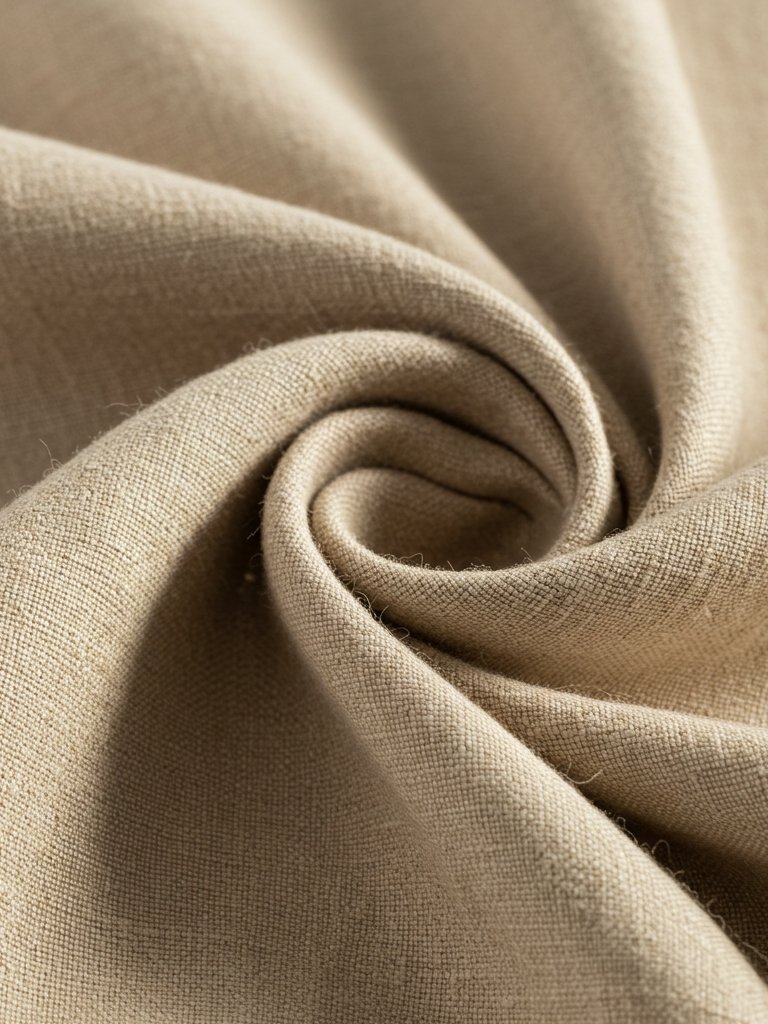
Linen is made from flax, a plant that uses very little water compared to cotton. It’s one of the most eco-friendly fabrics and is perfect for warm weather clothing. Linen is lightweight, breathable, and has a natural look that never goes out of style.
For affordable picks, check thrift shops for vintage linen shirts or dresses. They often look better with age, so you can save money and still wear timeless fashion.
DIY fans can repurpose old linen tablecloths into aprons or pillowcases. The fabric holds up well and gives a rustic touch to home projects. Wearing linen means you can stay cool, comfortable, and eco-conscious at the same time.
4. Bamboo
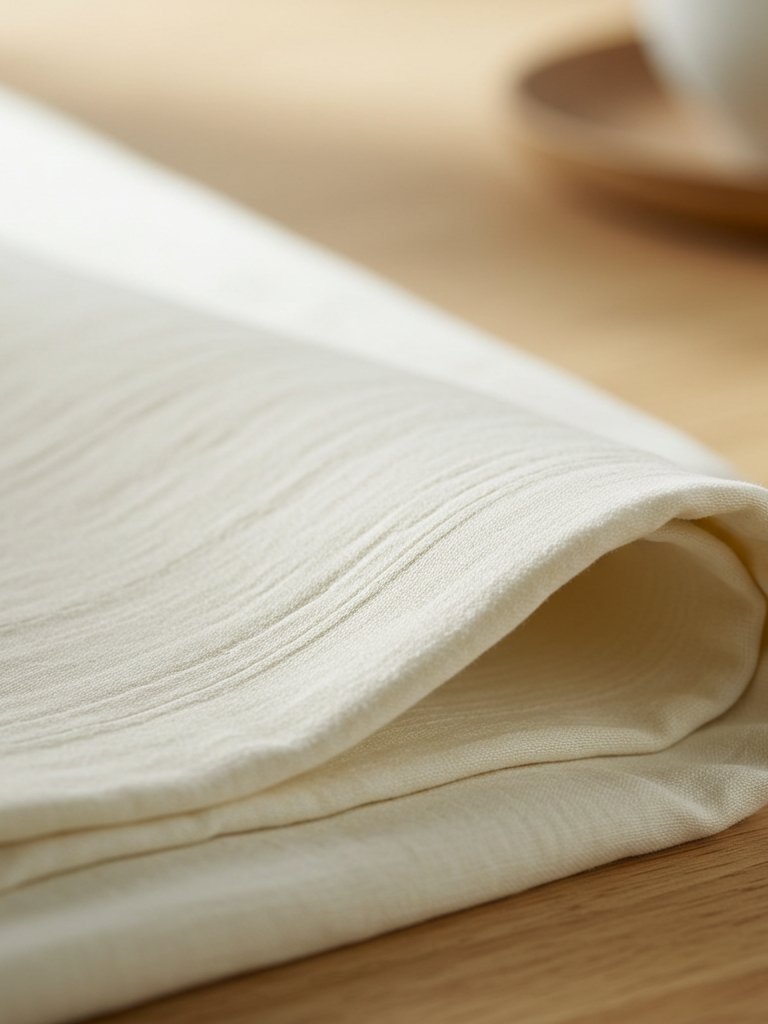
Bamboo fabric is silky, breathable, and naturally antibacterial. The plant itself grows super fast, making it a great sustainable crop. Many brands use bamboo for soft t-shirts, dresses, and even workout wear.
To save money, shop sales from eco-focused brands that carry bamboo basics. You can often find affordable bamboo socks or underwear, which are great starting pieces.
DIY crafters can experiment with bamboo fabric scraps for small sewing projects like handkerchiefs or headbands. This way, nothing goes to waste. Choosing bamboo means you’re adding comfort and sustainability to your wardrobe.
5. Tencel (Lyocell)
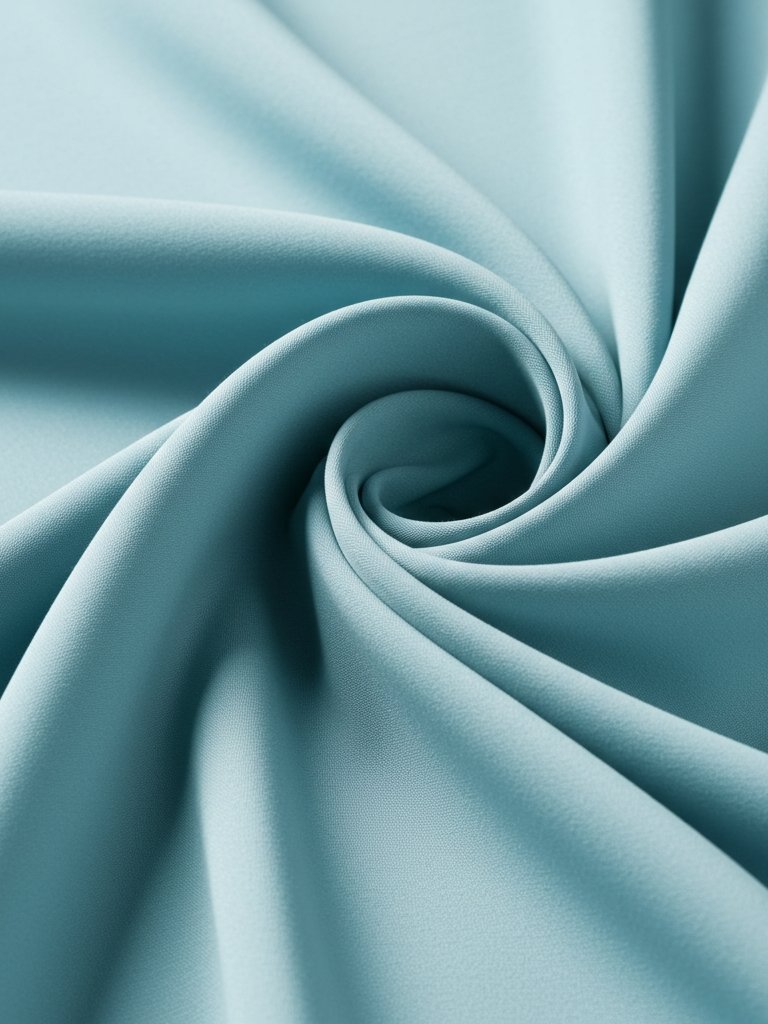
Tencel, also called Lyocell, is made from sustainably sourced wood pulp. It’s processed in a way that reuses water and chemicals, making it more eco-friendly than many fabrics. The result is a silky, soft material that drapes beautifully.
Budget-friendly ways to enjoy Tencel include looking for dresses or blouses during seasonal sales. The fabric lasts a long time, so it’s worth the small investment.
DIY sewing fans can use Tencel scraps to create scarves or reusable gift wrap. The smooth texture makes even simple projects feel elegant. Wearing Tencel means you get style with less impact on the environment.
6. Recycled Polyester
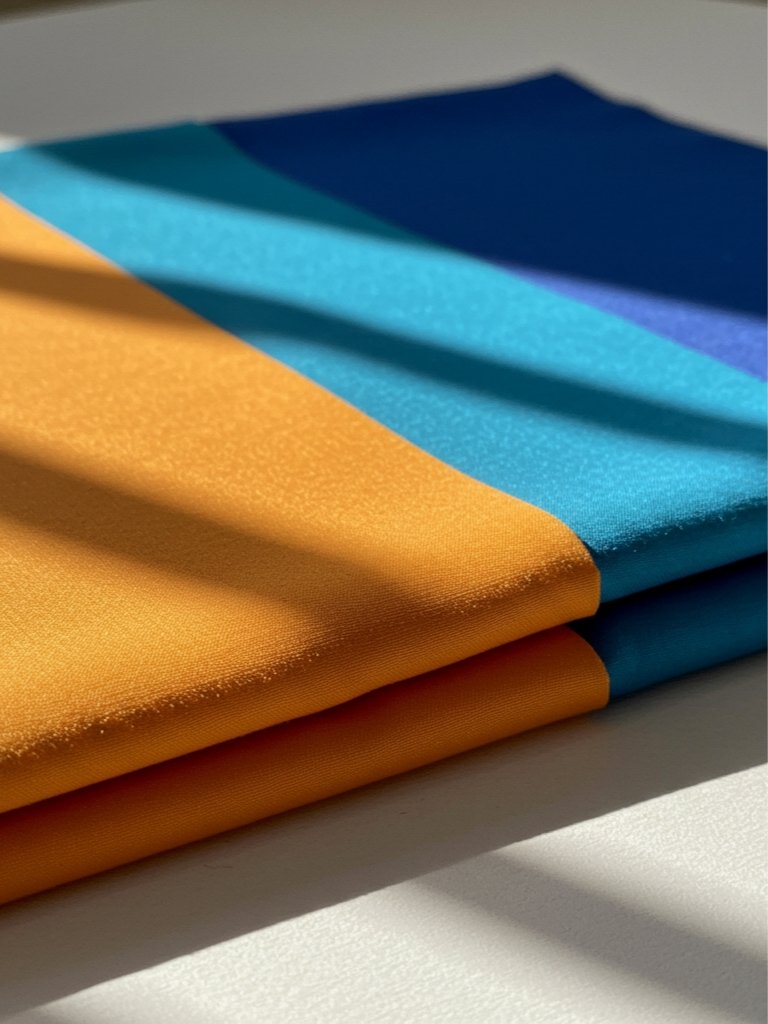
Recycled polyester is made from old plastic bottles and textile waste. This gives new life to materials that would otherwise end up in landfills. It’s often used for sportswear, jackets, and bags.
For affordable picks, check out activewear brands that sell recycled polyester leggings or t-shirts. They’re durable and usually cost about the same as regular polyester pieces.
DIY fans can use scraps for making gym headbands, patchwork projects, or even reusable shopping bags. It’s a practical way to reduce waste while enjoying modern fabrics. Choosing recycled polyester helps cut down plastic pollution in fashion.
7. Piñatex (Pineapple Leather)
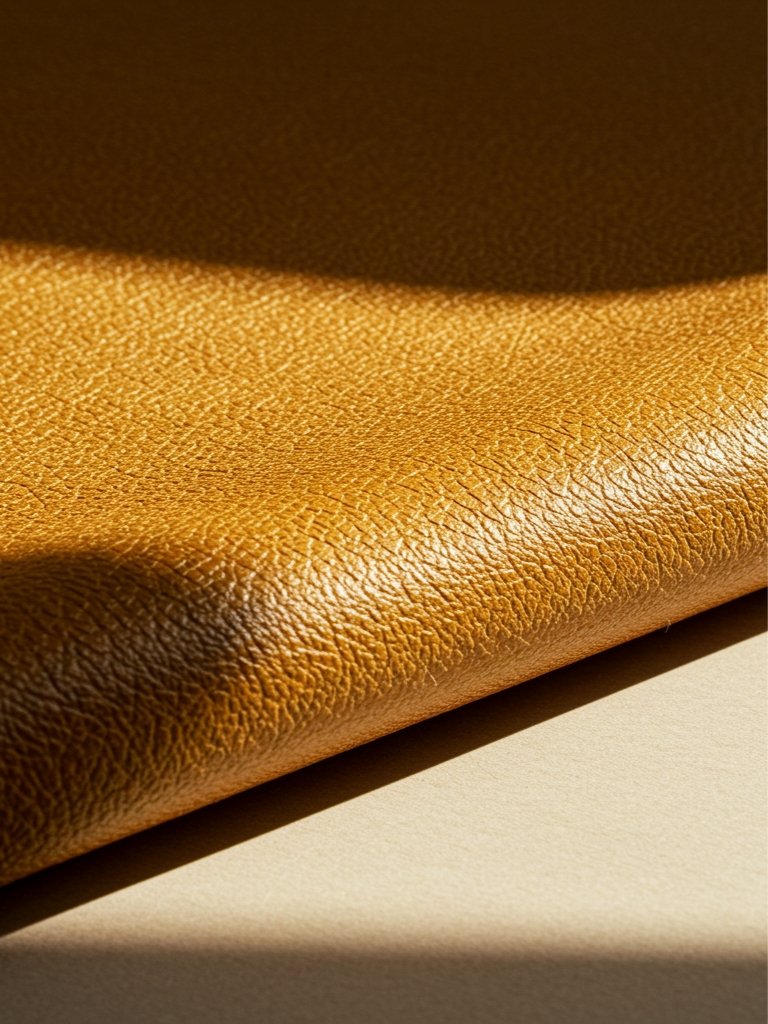
Piñatex is a leather alternative made from pineapple leaves. Farmers collect the leaves left after harvest, so no extra land or water is needed. The material is strong, stylish, and cruelty-free.
Piñatex is mostly used in shoes, bags, and wallets. If you want an affordable piece, start with small accessories like a coin purse or belt. They’re durable and trendy without the cost of real leather.
DIY lovers can’t make Piñatex at home, but they can reuse old faux-leather items by repairing or painting them. This helps stretch the life of accessories while saving money. Piñatex proves that fashion can look sharp without harming animals.
8. Cork Fabric
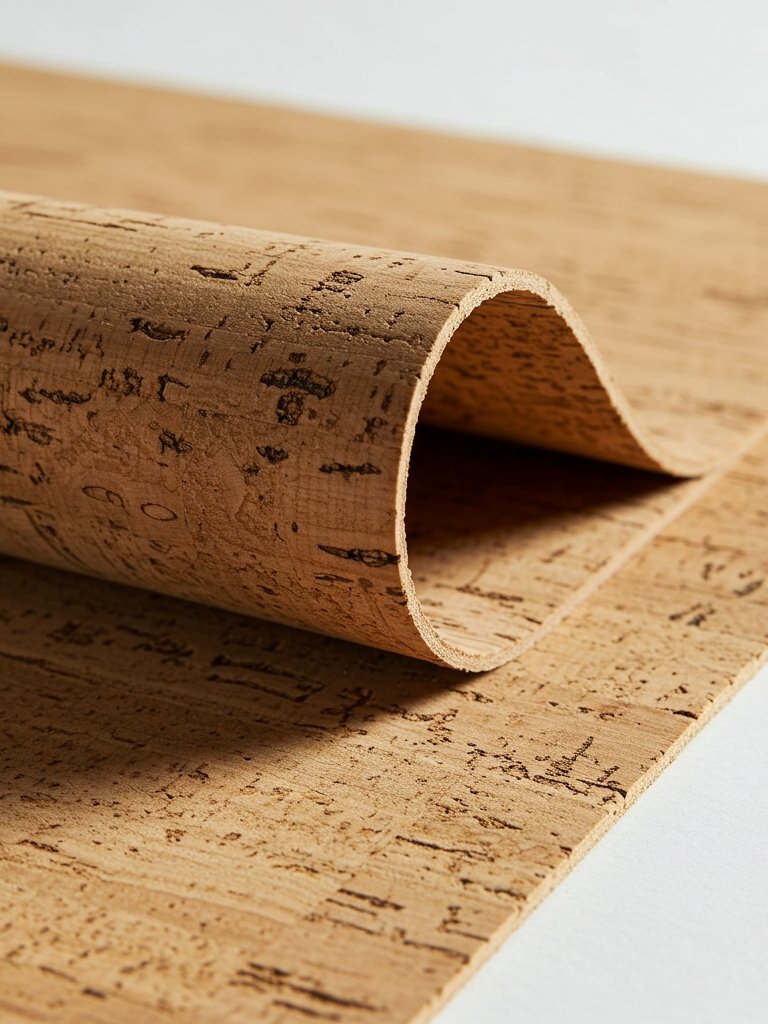
Cork isn’t just for wine bottles. It can be turned into a lightweight, water-resistant fabric. The cork is harvested without cutting down trees, making it an eco-friendly option.
Cork fabric is often used in wallets, shoes, and bags. If you’re on a budget, look for small cork accessories like keychains or cardholders. They add a stylish touch without costing too much.
DIY fans can order small cork fabric sheets online to make coasters or bookmarks. It’s an easy way to try the material at home. Choosing cork means adding durability and sustainability to your fashion choices.
9. Organic Wool
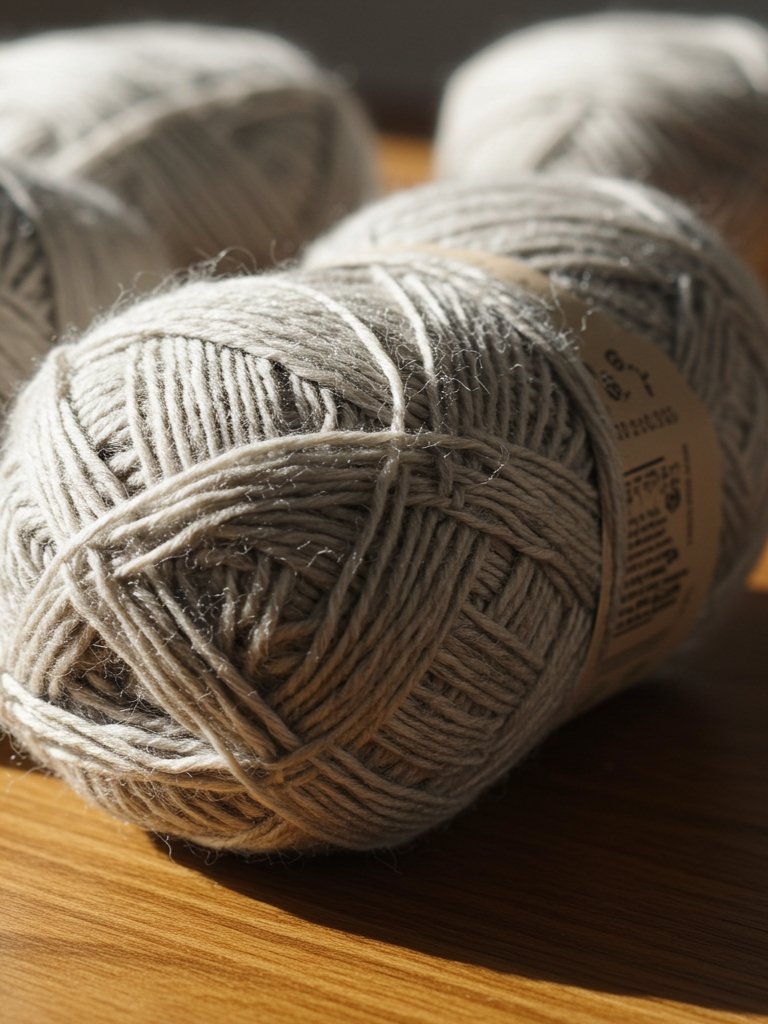
Wool can be eco-friendly when it’s produced responsibly. Organic wool comes from sheep raised without toxic chemicals or overgrazed land. The fabric is warm, durable, and naturally breathable.
Affordable ways to shop include buying second-hand sweaters or scarves made from wool. They often last for years, so even pre-owned items feel new.
DIY crafters can knit hats, socks, or blankets from organic wool yarn. It’s a cozy way to enjoy fashion while staying eco-friendly. Choosing organic wool helps support better farming practices and gives you lasting clothing.
10. Recycled Denim
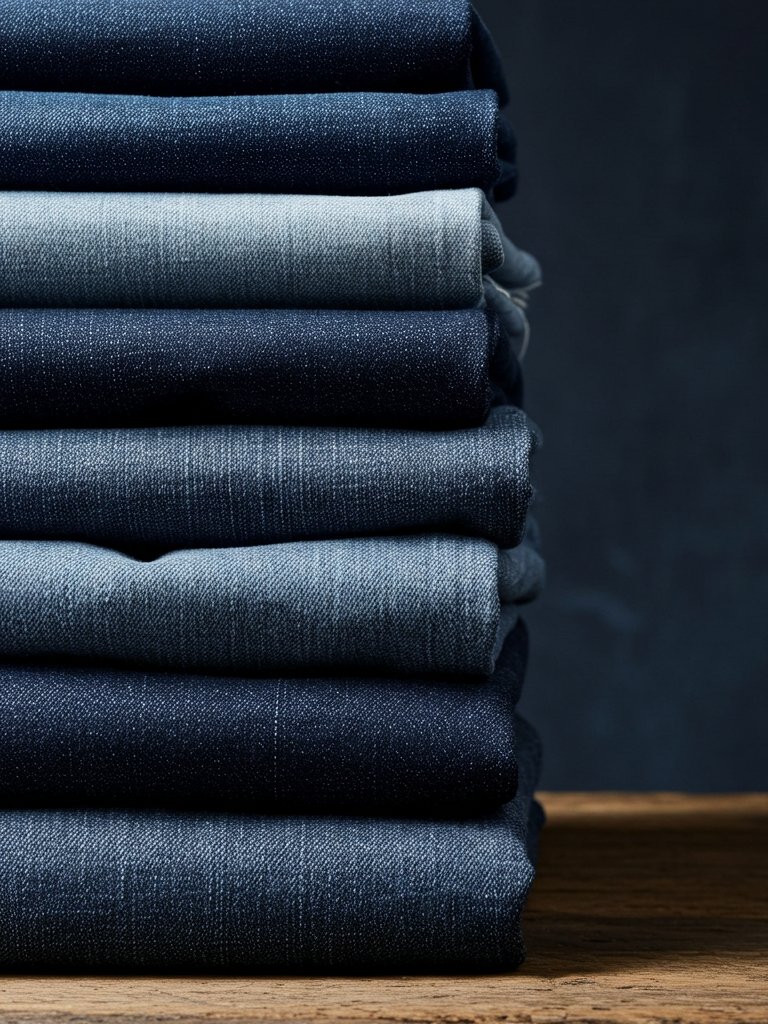
Denim production often uses a lot of water and chemicals. Recycled denim helps reduce this impact by reusing old jeans and textile scraps. The result is sturdy fabric with the same classic look.
Budget-friendly choices include shopping at thrift stores for recycled denim jackets or jeans. They’re stylish, timeless, and often cost less than new fast-fashion pieces.
DIY lovers can cut up old jeans to make tote bags, aprons, or patchwork quilts. This keeps denim out of landfills and gives you one-of-a-kind items. Recycled denim is proof that classic style can be eco-friendly too.
Which Eco-Friendly Fabric Matches Your Style?
Your Perfect Eco-Friendly Fabric Is:
Conclusion
Eco-friendly fabrics show that fashion and sustainability can go hand in hand. From organic cotton to recycled denim, each fabric offers a way to dress well while caring for the planet.
You don’t have to spend a lot thrift stores, sales, and DIY projects make it affordable. Next time you shop or sew, think about these fabrics. Your wardrobe can be stylish and kinder to the earth at the same time.