The purpose of this guide is to help you understand how to dress in a way that truly suits your body. Fashion is not about following every trend it’s about wearing clothes that make you feel confident and comfortable.
Dressing for your body type matters because the right clothes can highlight your best features and balance your overall look. When you understand your body shape, shopping becomes easier, outfits look more polished, and you feel more confident every day.
In this guide, we’ll walk through common body shape categories and show you how to dress each one in a simple and practical way.
How to Determine Your Body Type
Before choosing outfits, you need to know your body type. This is easier than it sounds.
Measure Key Areas
Use a measuring tape and note the size of:
- Shoulders
- Bust
- Waist
- Hips
Look for Visual Cues
Stand in front of a mirror and notice:
- Where your body is wider
- Where it is narrower
- How your waist compares to your hips and shoulders
Quick Body Type Self-Check
- Shoulders and hips balanced with a defined waist → Hourglass
- Hips wider than shoulders → Pear
- Waist wider than shoulders and hips → Apple
- Shoulders, waist, and hips similar → Rectangle
- Shoulders wider than hips → Inverted Triangle
This quick check helps you identify your general body shape.
Dressing Tips for Each Body Type
Hourglass Body Type
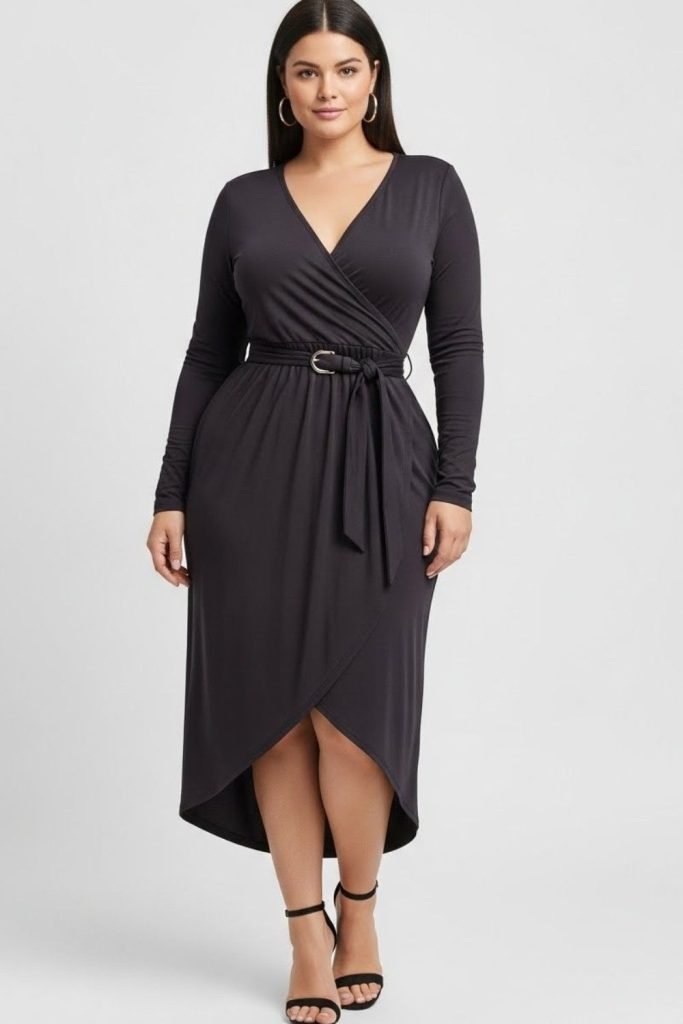
If you have an hourglass body type, the key is to highlight your natural waistline. Opt for fitted tops and dresses that follow the curves of your body, and use belts to accentuate your shape even more.
When it comes to silhouettes, wrap dresses and high-waisted skirts work beautifully, as they emphasize your waist and create a balanced look.
Soft, stretchy fabrics that move with your body are ideal, as they flatter your curves while keeping you comfortable and stylish.
Pear Body Type
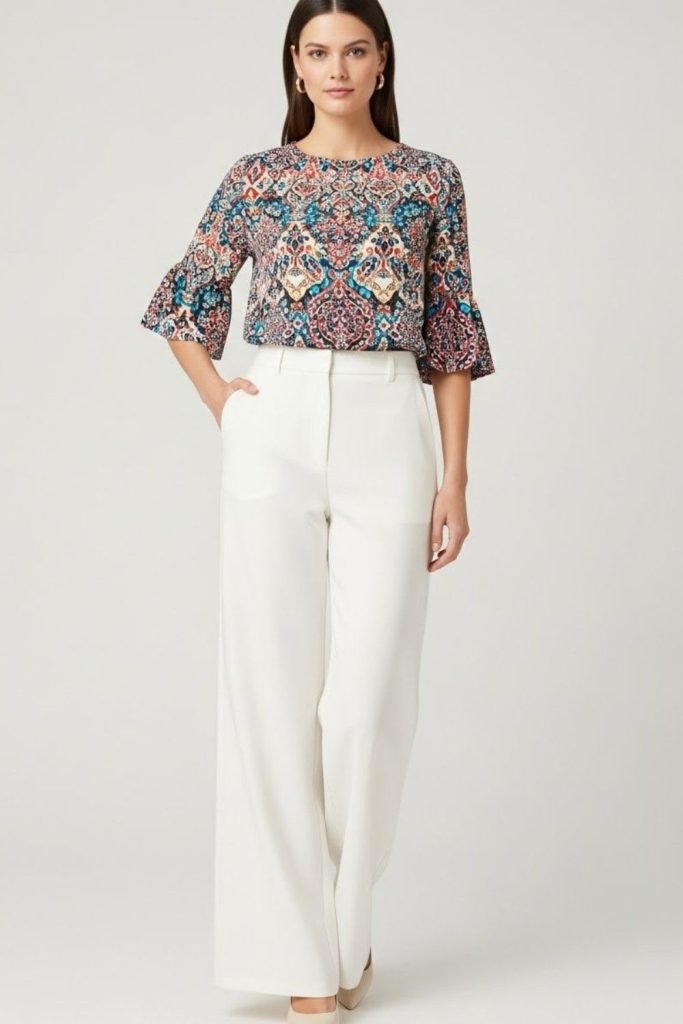
For a pear body type, the key is to balance the upper and lower body. You can draw attention to your upper body by choosing bright or patterned tops, while keeping your bottoms simple and structured.
A-line skirts work beautifully to skim over the hips, and straight-cut or wide-leg pants help create a balanced, flattering silhouette. This combination ensures that your proportions look even and your best features are highlighted.
Apple Body Type
To create a flattering waistline, it’s important to focus on the length of your clothing rather than tightness. Avoid clingy fabrics around the stomach, as they can draw attention to areas you may want to downplay.
Instead, choose pieces that naturally elongate your torso. V-neck tops are a great option because they create the illusion of a longer neckline, while empire waist dresses emphasize the slimmest part of your midsection and flow gently over the stomach.
Adding long layers, such as open cardigans or jackets, can further lengthen your silhouette and create a balanced, flattering look.
Rectangle Body Type
To add curves and definition to your figure, focus on creating shape using layers and strategic cuts. Choose clothing pieces that naturally add volume where needed, such as peplum tops or ruffled blouses, which enhance your silhouette.
You can also use belts to define your waist and create a more balanced, flattering look. Layering thoughtfully not only adds style but also helps accentuate your body’s natural curves.
Inverted Triangle Body Type
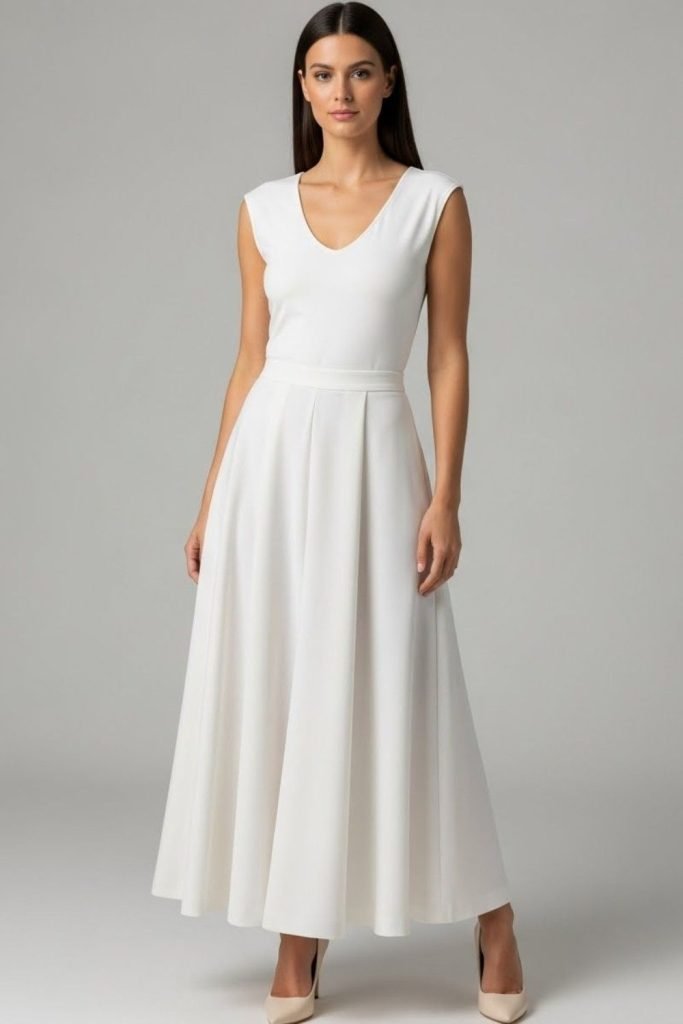
For those with broader shoulders, the key is to create balance by adding volume to the lower body while keeping the top half simple. This helps draw attention away from the shoulders and creates a more proportionate silhouette.
Flared skirts and wide-leg pants are excellent choices for adding fullness to the lower half, while V-neck or scoop-neck tops help elongate the neck and soften the appearance of broad shoulders.
Together, these styling choices make the overall look harmonious and flattering.
Universal Styling Rules
No matter your body type, some styling rules always help.
Fit and Proportion
Fit and proportion are key to looking polished and stylish. Clothes should fit your body properly not too tight to feel uncomfortable, and not too loose that they look shapeless.
A good rule is to balance fitted items with more relaxed pieces, creating a harmonious silhouette that highlights your best features while keeping your overall look comfortable and flattering.
Choosing Flattering Fabrics
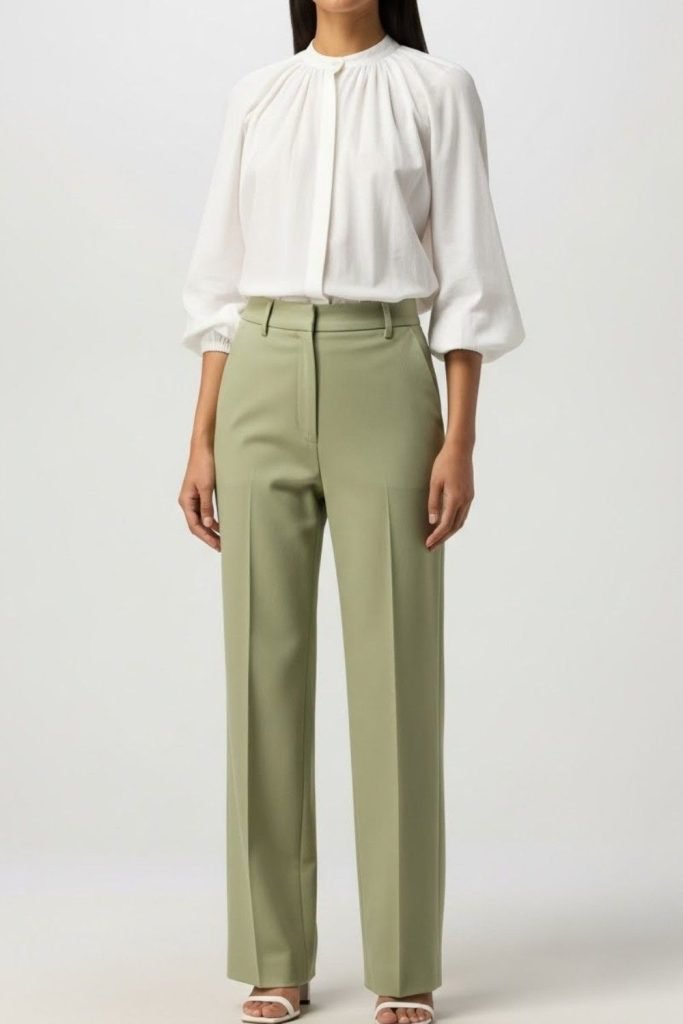
When choosing fabrics for your outfits, it’s important to consider how they interact with your body shape.
Stiff fabrics are great for adding structure and giving your clothes a more polished look, while soft fabrics create a flowing, relaxed feel that can make an outfit appear more graceful.
On the other hand, it’s best to avoid fabrics that cling in the wrong places, as they can highlight areas you might prefer to minimize and disrupt the balance of your overall look.
Color, Patterns, and Prints
When choosing colors, patterns, and prints, it’s important to consider how they affect your body shape. Dark colors can help slim certain areas, creating a more balanced look, while bright colors naturally draw attention to your best features.
Patterns and prints can also make a difference vertical stripes, for example, help elongate the body, making you appear taller and leaner. By selecting colors and patterns thoughtfully, you can enhance your shape and create a more flattering outfit.
Accessorizing by Body Shape
Accessories can completely change an outfit.
- Belts: Define the waist or create shape
- Jewelry: Draw attention upward with necklaces and earrings
- Footwear: Balance proportions with heels, flats, or chunky shoes
Accessories help guide the eye and balance your overall look.
Fit and Tailoring
Even the best outfit can look wrong if it doesn’t fit properly, which is why tailoring matters so much. Tailoring makes clothes look custom-made and significantly improves both comfort and confidence.
Even small adjustments, like shortening sleeves, adjusting waistlines, or fixing pant length, can make a huge difference. With a few simple alterations, an average outfit can instantly transform into a polished, well-fitted look.
Conclusion
Understanding your body type helps you dress with confidence and ease. When you know what works for your shape, getting dressed becomes faster and more enjoyable.
Don’t be afraid to experiment. Style is personal, and these guidelines are here to help—not restrict you.