How to Make A Medieval Dress At Home Step By Step For Beginners
This used to be the part where a costume felt like a pile of fabric with no shape. I’d try a dress and it would hang wrong or sit off my shoulders. Now I think in layers and proportions. I’ll steer you through basic choices.
What This Solves
You want a medieval look that feels intentional, not costume-y. This method helps with fit, silhouette, and movement.
I focus on the base layer, how the overdress sits, and where to add weight or drape. You’ll get a wearable outfit that reads medieval without overworking your hands.
What You’ll Need
- Natural linen chemise (light, breathable shift)
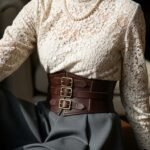
- Fitted bodice or linen waist cincher (neutral brown or natural)
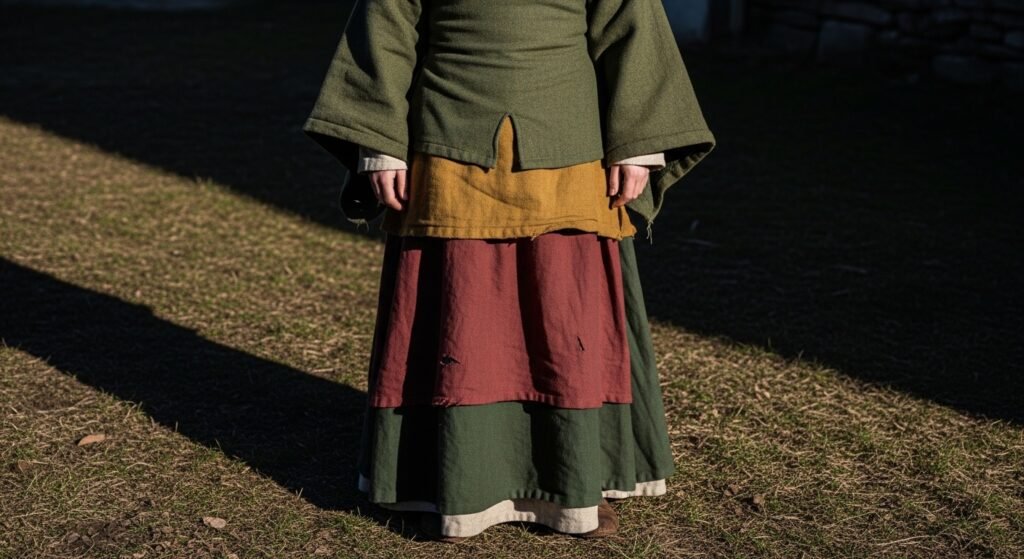
- Full wool overdress or long linen dress (earth tones)
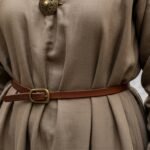
- Simple leather belt (braided or plain, brown)
- Wool cloak with hood (dark green or brown)
- Flat leather ankle boots (brown, low heel)
- Bronze or pewter cloak brooch (round or oval)
- Linen headscarf or coif (natural white)
Step 1: Start with a clean base layer
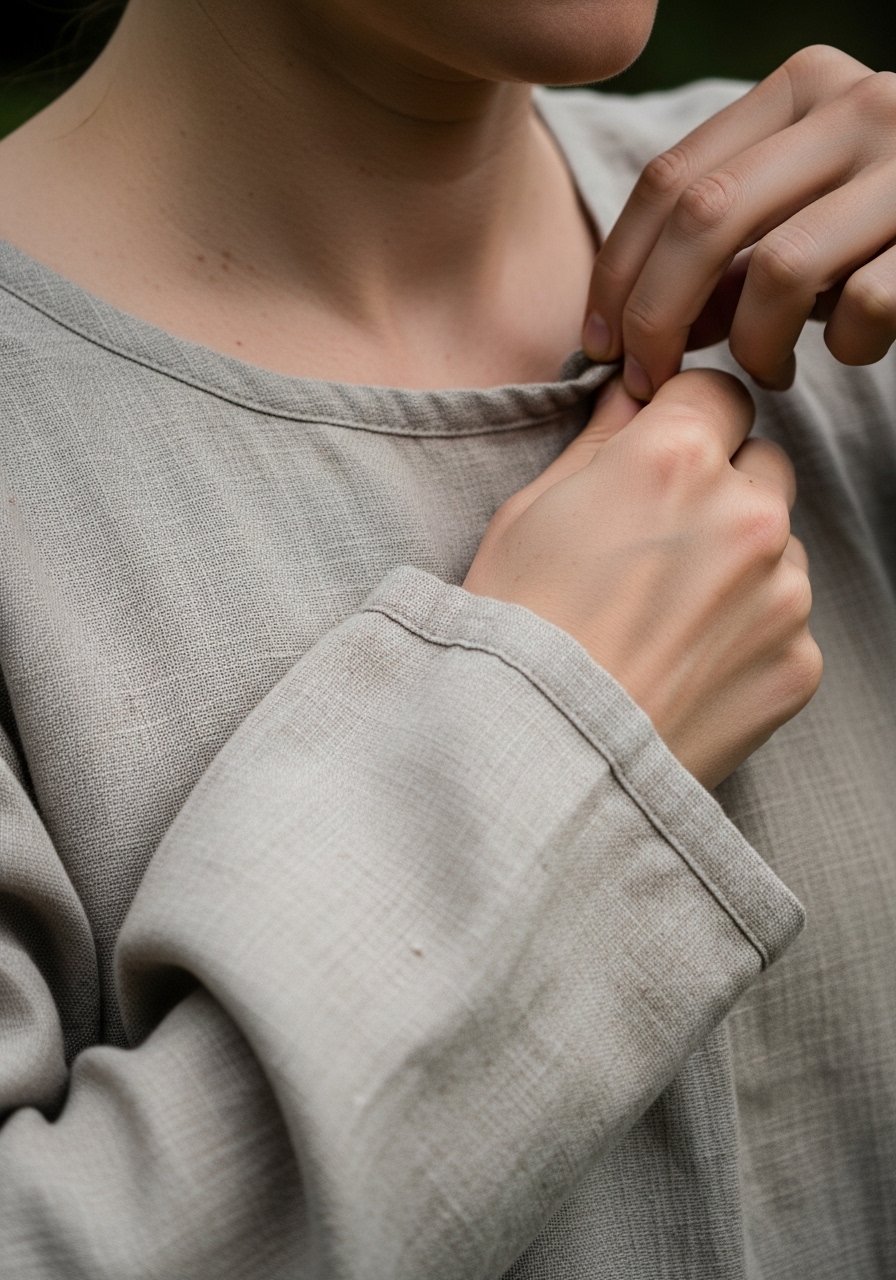
I always begin with the chemise. It’s the foundation that makes the rest sit right. Choose a simple natural linen that’s breathable and not too stiff.
Visually, a neat chemise smooths the shoulders and gives the overdress something to hang from. People often miss sleeve length—too long sleeves ruin the line. Avoid a bulky undershirt; it hides the dress’s shape and makes the waist float.
Step 2: Test the overdress for shoulder and bodice balance
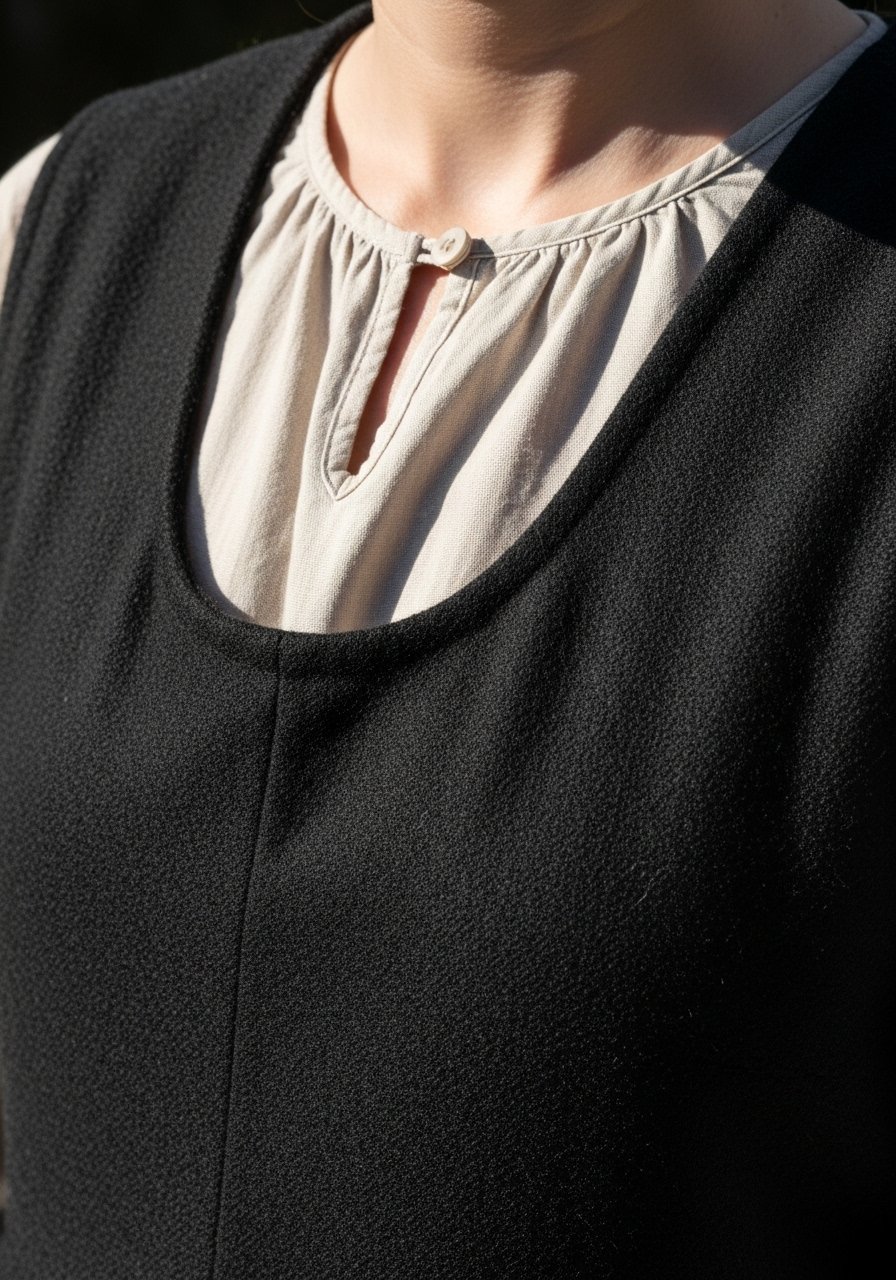
I put the overdress on and watch how it frames my shoulders. If it gaps or pulls, the whole look feels off. The right shoulder fit keeps the neckline intentional.
You’ll notice the skirt volume changes how the upper body reads. An insight: small shoulder adjustments change perceived torso length. Don’t force a tight neckline; that’s uncomfortable and looks strained. Let the dress rest naturally before deciding to cinch.
Step 3: Define the waist with a belt or bodice
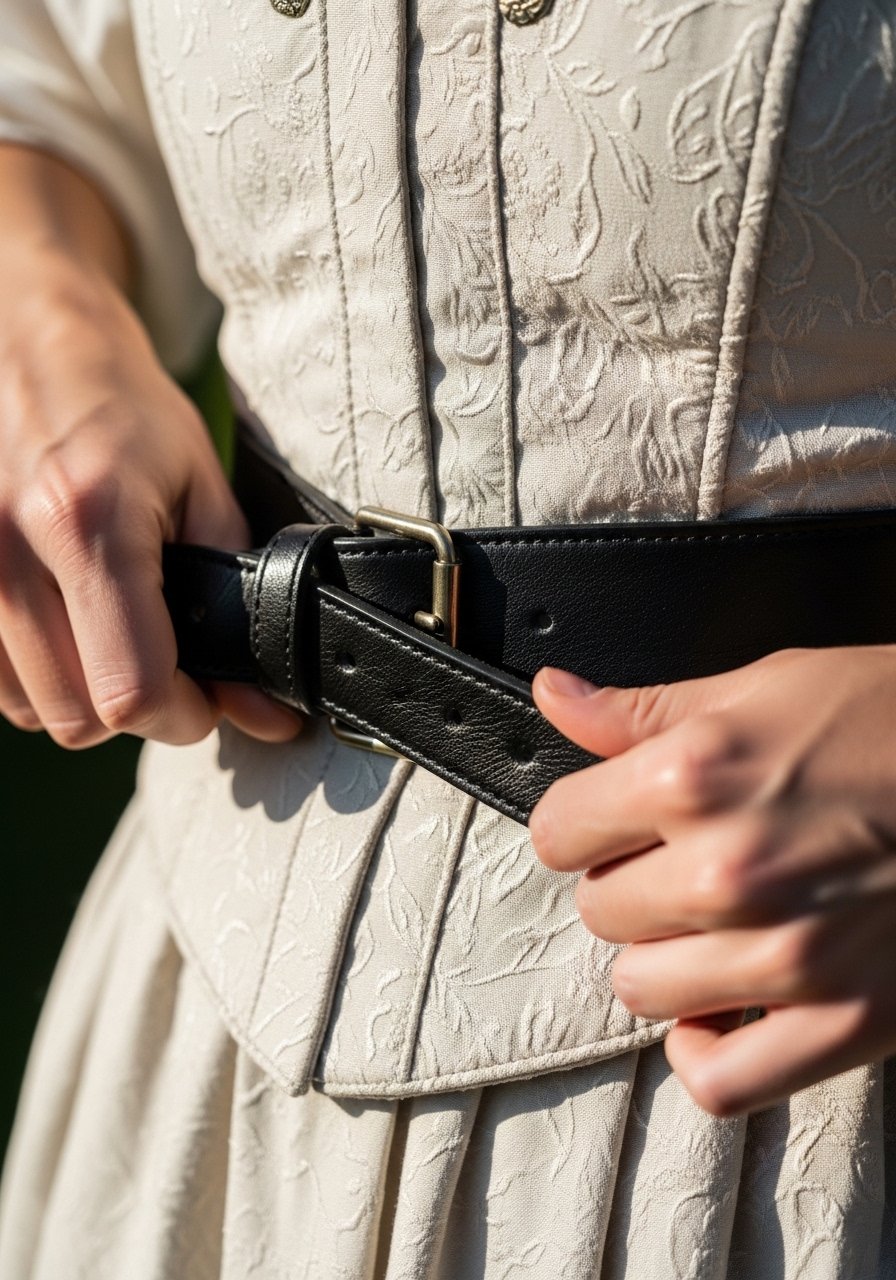
I add a belt or a simple bodice where the eye should rest. I aim for the natural waist or slightly above, depending on the period feel. This creates a clear silhouette.
What visually changes: the skirt gains structure and the torso reads shorter, which balances long sleeves or full skirts. Many miss the right belt width—too thin disappears, too wide dominates. Avoid cinching so tight it creases the fabric; you want shape, not discomfort.
Step 4: Layer the cloak and place accessories
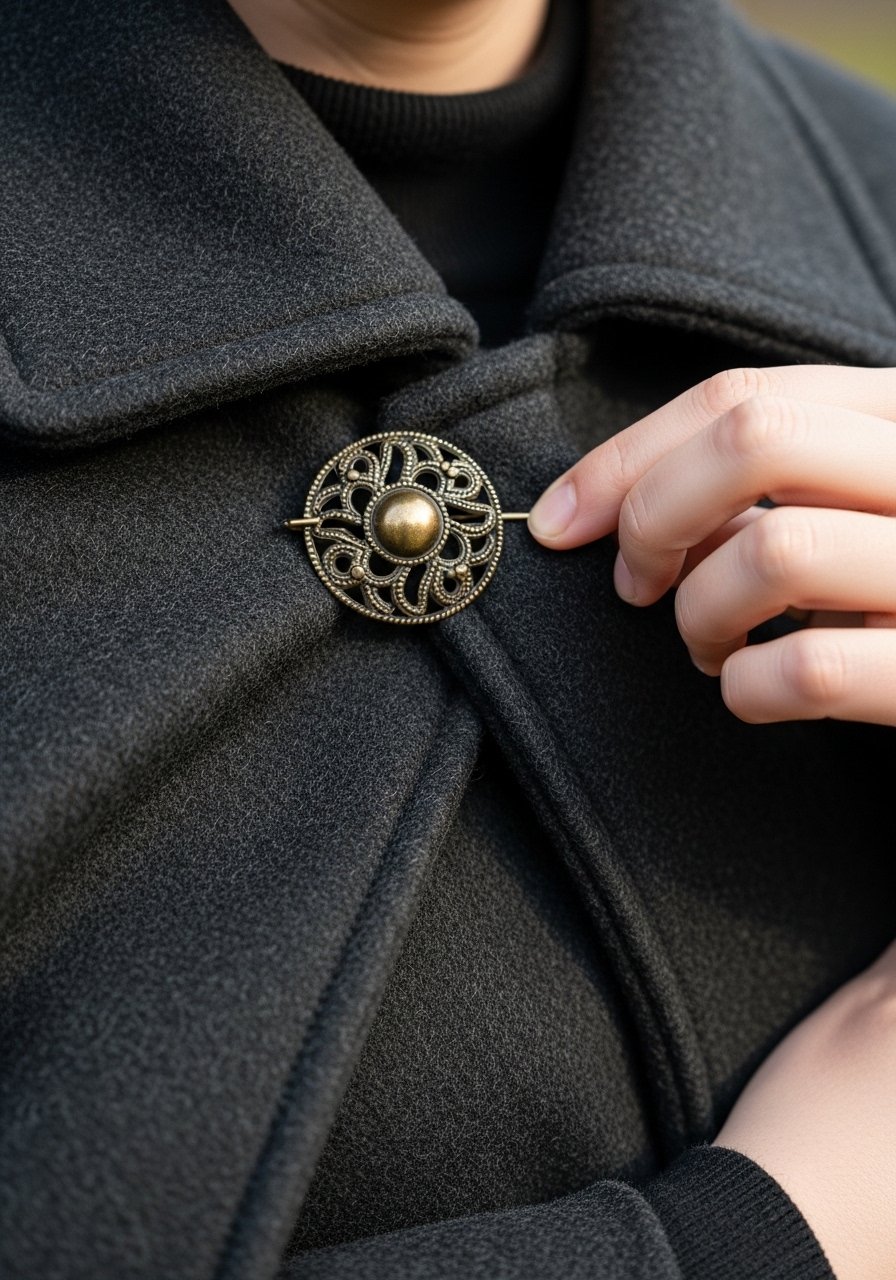
I drape a cloak or mantle to add weight and context. I fasten it with a brooch near the shoulder so the fold sits nicely across the chest. The cloak anchors the silhouette.
Accessories shift the eye—brooches, belts, and a simple coif complete the story. People often overload with shiny jewelry; medieval looks read better with a single focal piece. Avoid too many modern bits that break the period feel.
Step 5: Final fit check and movement test
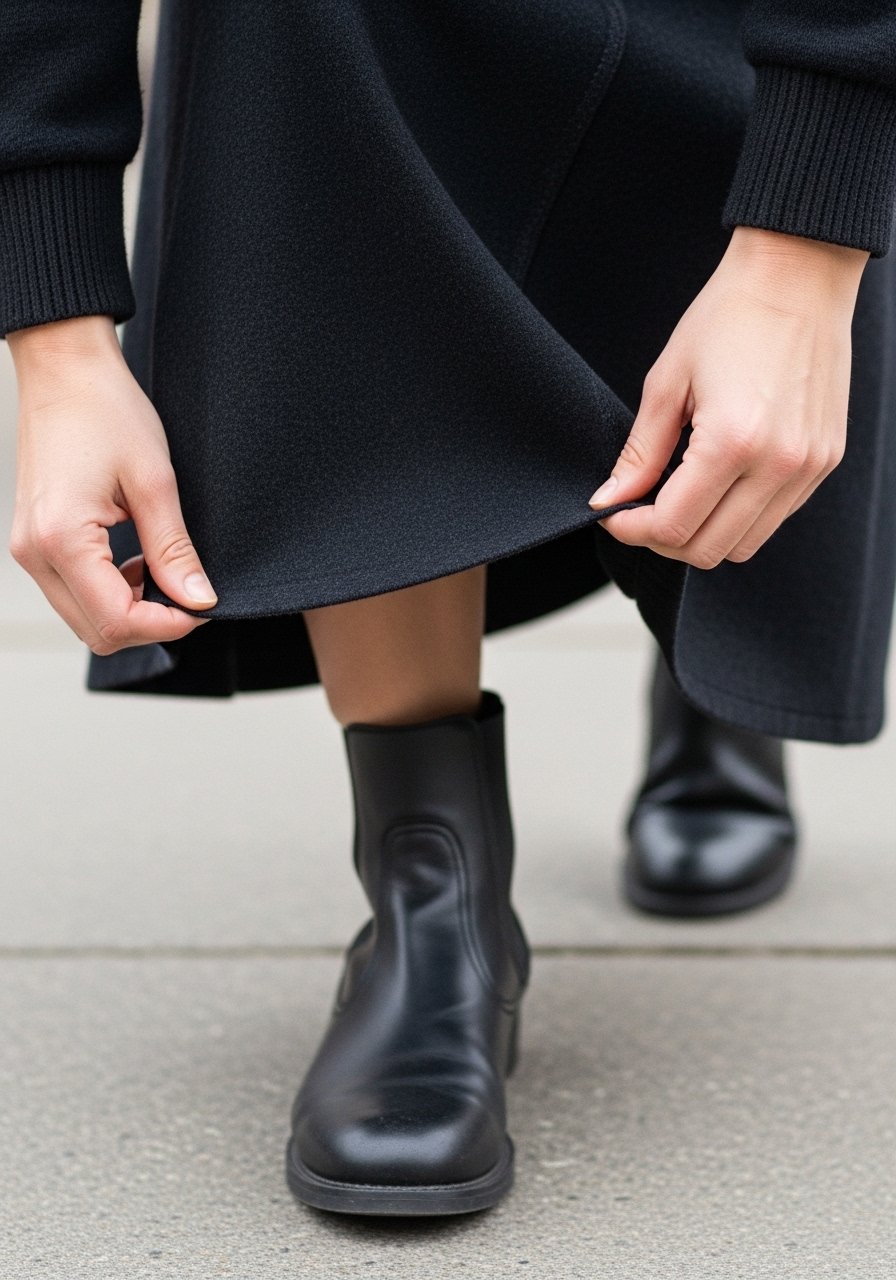
I walk, sit, and reach to see how the dress behaves. Hems should clear boots and not trip you. The way fabric moves tells you if proportions are right.
A key insight: movement reveals hidden fit issues you can’t see in a mirror. Common mistake: leaving the hem uneven because you liked the front length; it looks unfinished in motion. Tuck, fold, or adjust until it reads even from all angles.
Choosing Fabrics
Pick natural fibers when you can. Linen and wool age well and drape in a way that reads historical. Linen for the under layer, wool or heavier linen for outer layers.
Color choices are simple: earth tones read medieval without fuss. Texture matters more than bright color. Keep it cozy and intentional.
Proportions and Movement
Think vertical lines and where the eye rests. A defined waist and flowing skirt keep the silhouette balanced. Adjust sleeve width to match skirt volume.
Test the outfit with real movement. If you can’t sit or walk comfortably, tweak the waist or hem. Practical comfort keeps the look believable.
Simple Accessories That Read Medieval
One good brooch, a plain belt, and a linen coif do more than several modern pieces. Keep accessories in the same color family as the dress.
Avoid shiny modern metals and contemporary logos. Small details like a bronze brooch or braided belt make the outfit feel complete without fuss.
Final Thoughts
Start with small choices: the right chemise and a well-placed belt. That’s where the look lives. Try one change at a time and walk around the house.
You’ll learn what reads medieval on you. Keep what’s comfortable and let the layers do the work. It should feel intentional, not heavy.