I used to think medieval-inspired meant costume. It doesn’t.
I pulled together 27 real, wearable medieval dress ideas women can actually live in—coffee runs, markets, and dating nights.
I write what I’ve worn, what I returned, and what kept coming back into rotation.
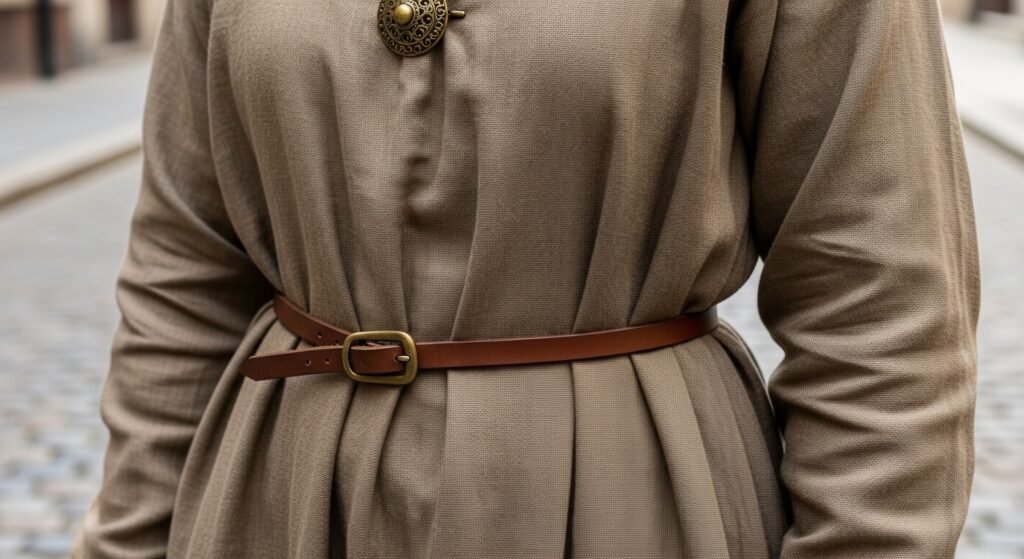
1. Linen Chemise Dress with Narrow Leather Belt
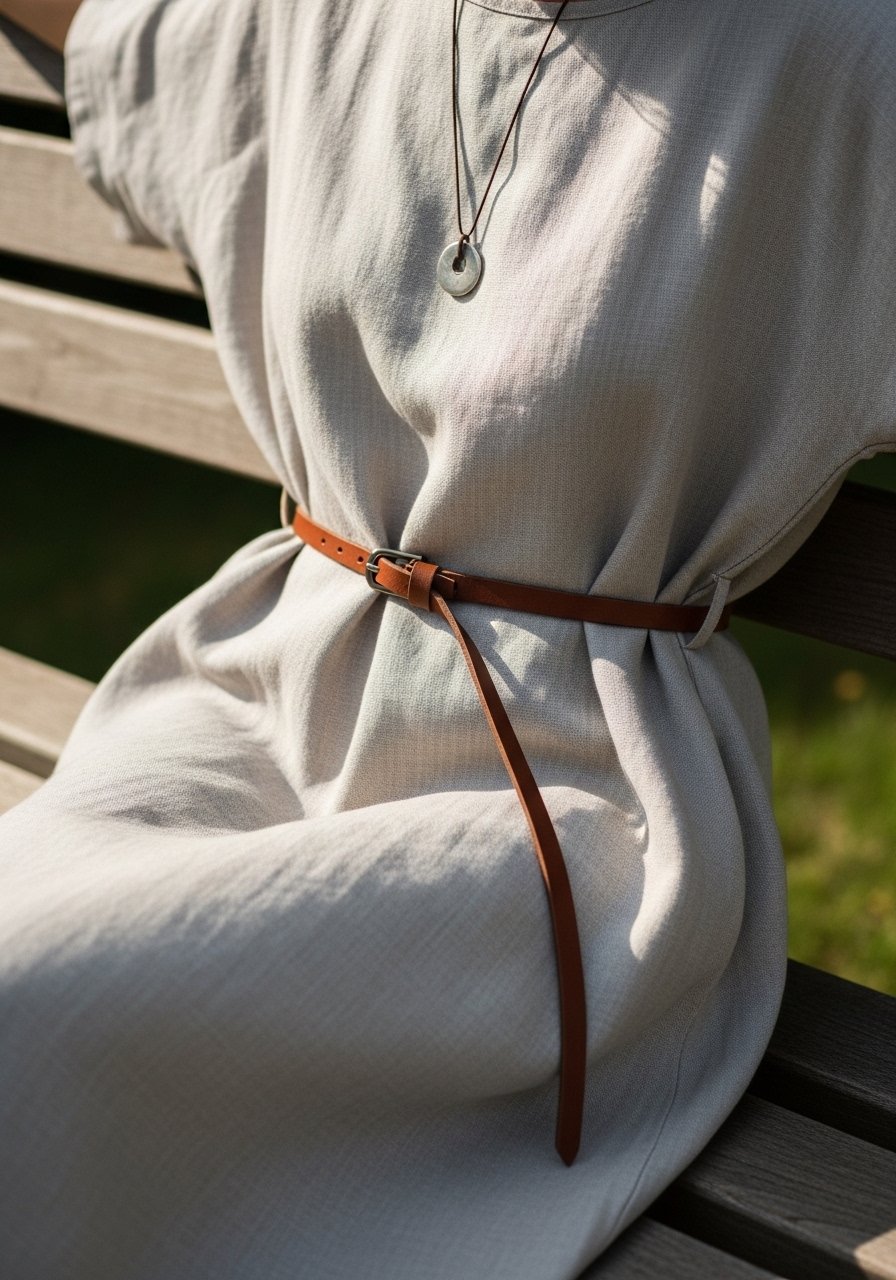
I love this because it feels like wearing breathable history. I wore it on long walk days—kept cool and moving. The shape is forgiving but looks intentional when belted.
Mistake: I once bought a linen too stiff; it needed washing to soften. Now I buy pre-washed linen.
Tip: Let the belt sit where your waist feels natural, not where magazines say.
What You’ll Need for This Look
- Lightweight linen chemise dress (natural fit, pre-washed)
- Narrow brown leather belt (medium brown)
- Simple brass pendant necklace
2. Velvet Overdress with Wool Cloak
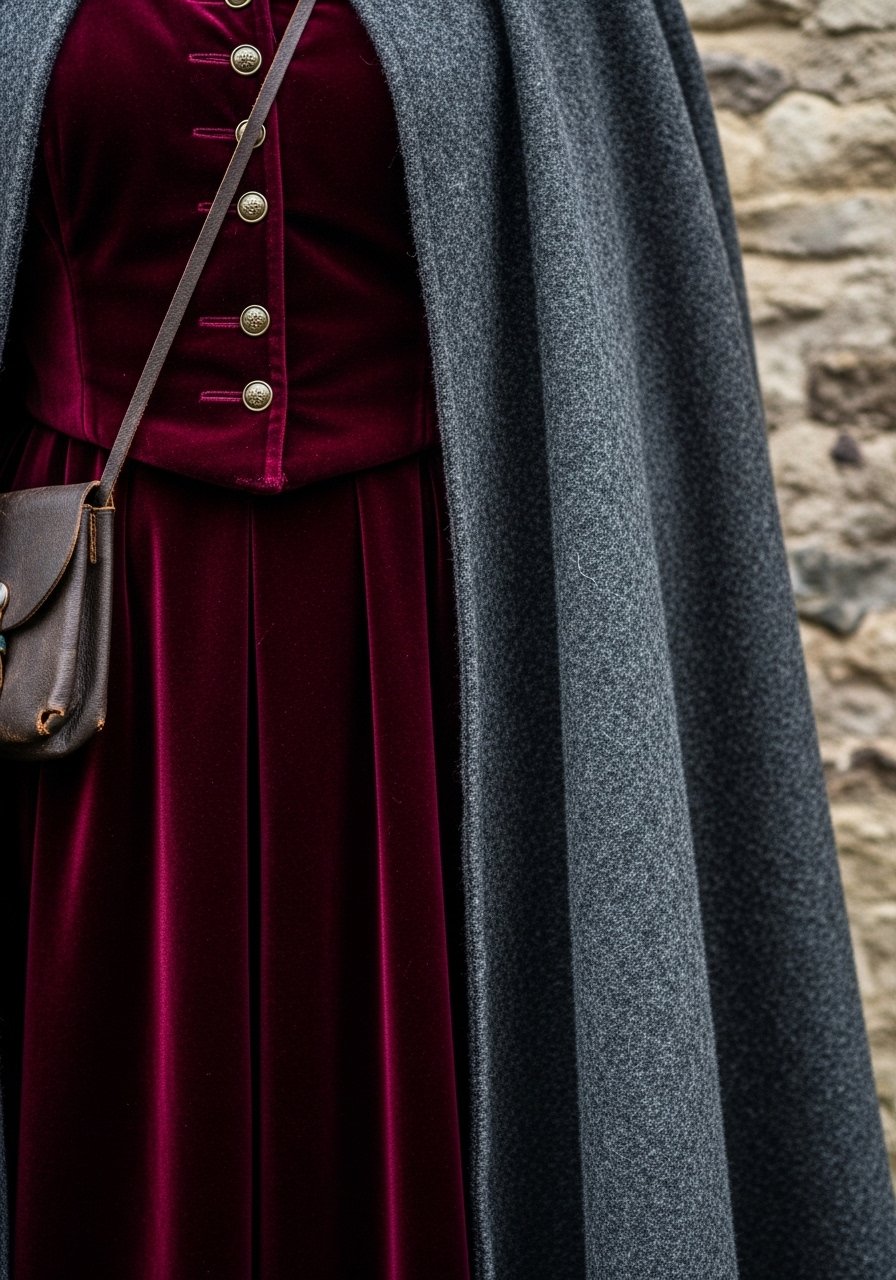
I break this out for chilly evenings. Velvet feels luxe but soft in rich colors. The cloak hides a messy hair day and makes the whole outfit look intentional.
Wear note: Heavy velvet plus thick cloak equals warmth—great for winter, not July. I learned that the hard way.
Tip: Keep jewelry minimal; velvet is already a statement.
What You’ll Need for This Look
- Velvet overdress (deep burgundy or forest green)
- Charcoal wool cloak with hood
- Small leather belt pouch
3. Corset Top over a Simple Maxi Skirt
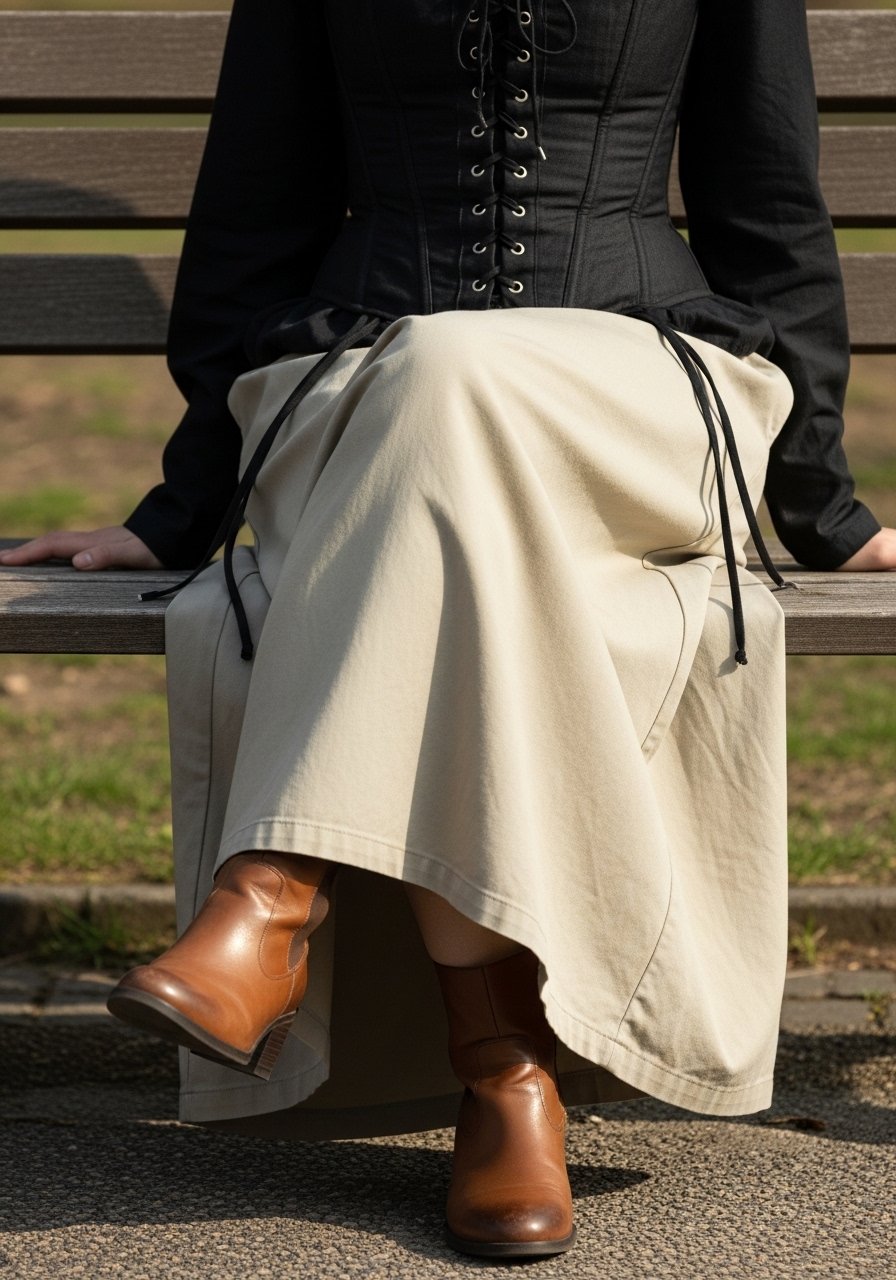
I wear corset tops as shaping layers, not equipment. Over a soft skirt they give structure without pain. I felt grounded and more upright walking around museums.
Mistake: My first corset had stiff boning—couldn’t sit comfortably. I swapped for softer, flexible stays.
Tip: Choose stretch-backed corsets for everyday wear.
What You’ll Need for This Look
4. Peasant Blouse with High-Waisted Trousers

This is my casual medieval nod. The blouse breathes; high-waisted trousers keep it modern and practical. I wore it to work; it felt soft but not sloppy.
What changed: Tucking the blouse in made it look intentional instead of costume-y.
Tip: Roll sleeve cuffs to keep it daytime-friendly.
What You’ll Need for This Look
- White peasant blouse (soft cotton, gathered sleeves)
- High-waisted wool trousers (straight fit)
- Leather loafers (brown)
5. Layered Skirts with Lace-Up Boots
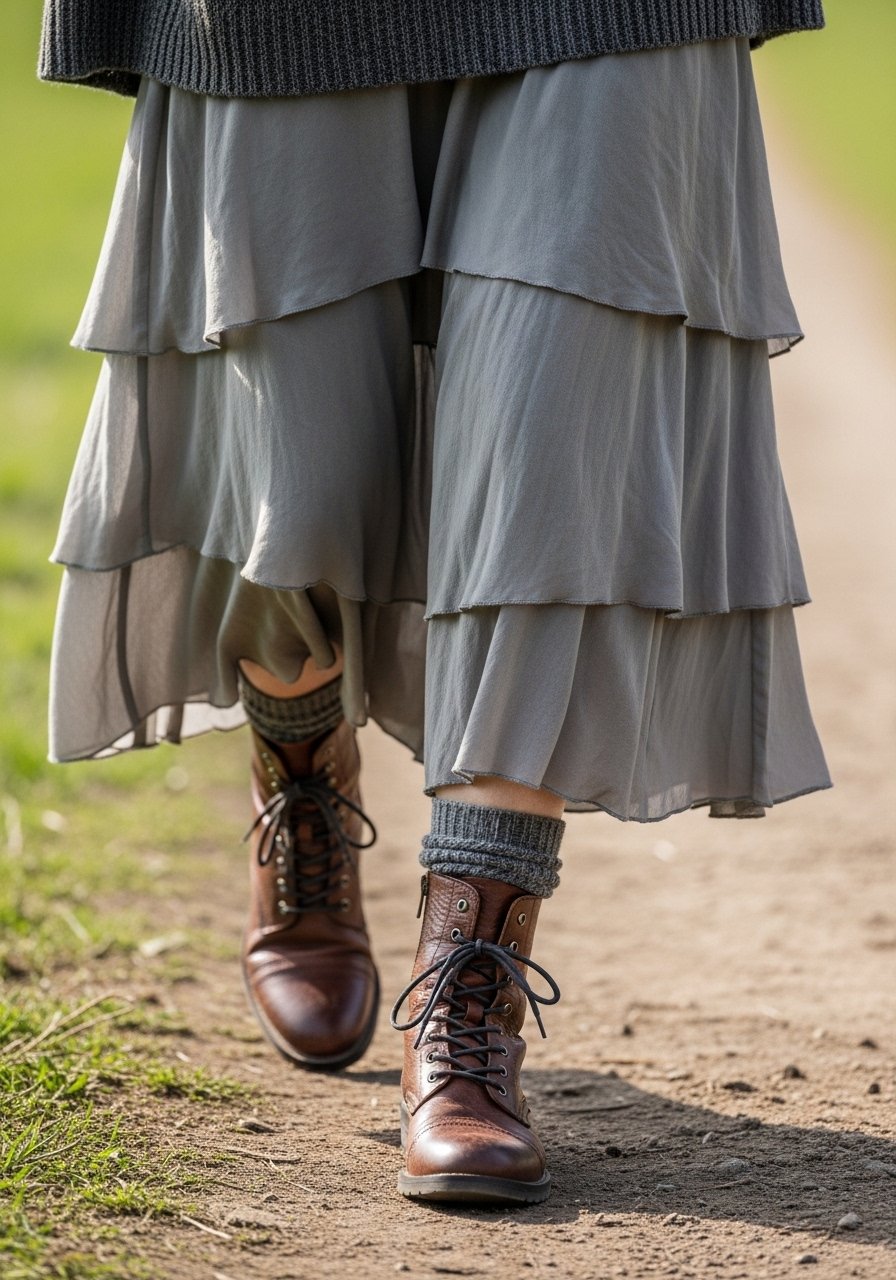
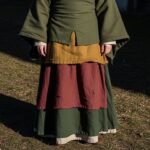
I stack a midi over a maxi for movement and depth. It’s one of those looks that breathes when you walk. The lace-up boots finish it in a grounded way.
Mistake: Early on I used too many colors; now I stick to three tones max for calm layering.
Tip: Keep skirt fabrics different weights—cotton with a heavier wool outer layer reads intentional.
What You’ll Need for This Look
6. Simple Shift Dress with Brooch and Cloaklet

This is my quick-out-the-door outfit that still reads medieval. The brooch lifts the neckline; the cloaklet adds drama without bulk. I felt put-together in two minutes.
What changed: Swapping a heavy necklace for a single brooch stopped the outfit from looking crowded.
Tip: Use a brooch that sits flat so it won’t snag fabrics.
What You’ll Need for This Look
7. Fitted Bodice over a Printed Midi
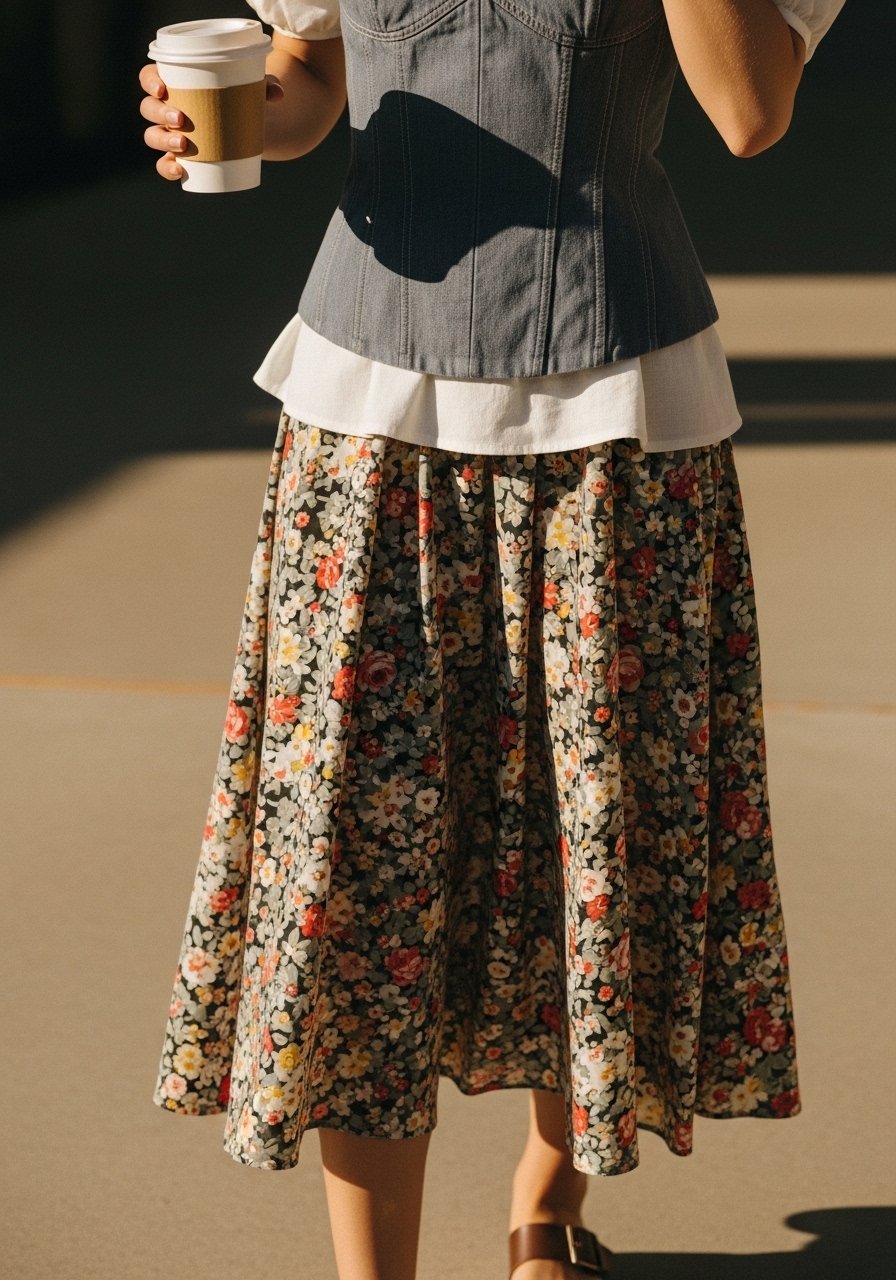
I wear this when I want medieval hints without costume. The bodice sculpts; the printed midi keeps it soft and everyday. It’s a combo I reach for for brunch.
Mistake: I once chose a bodice with too-narrow straps—it dug in. Now I test straps while moving.
Tip: Keep skirt prints small to prevent competition with the bodice’s texture.
What You’ll Need for This Look
8. Wool Tunic with Skinny Leggings and Tall Boots
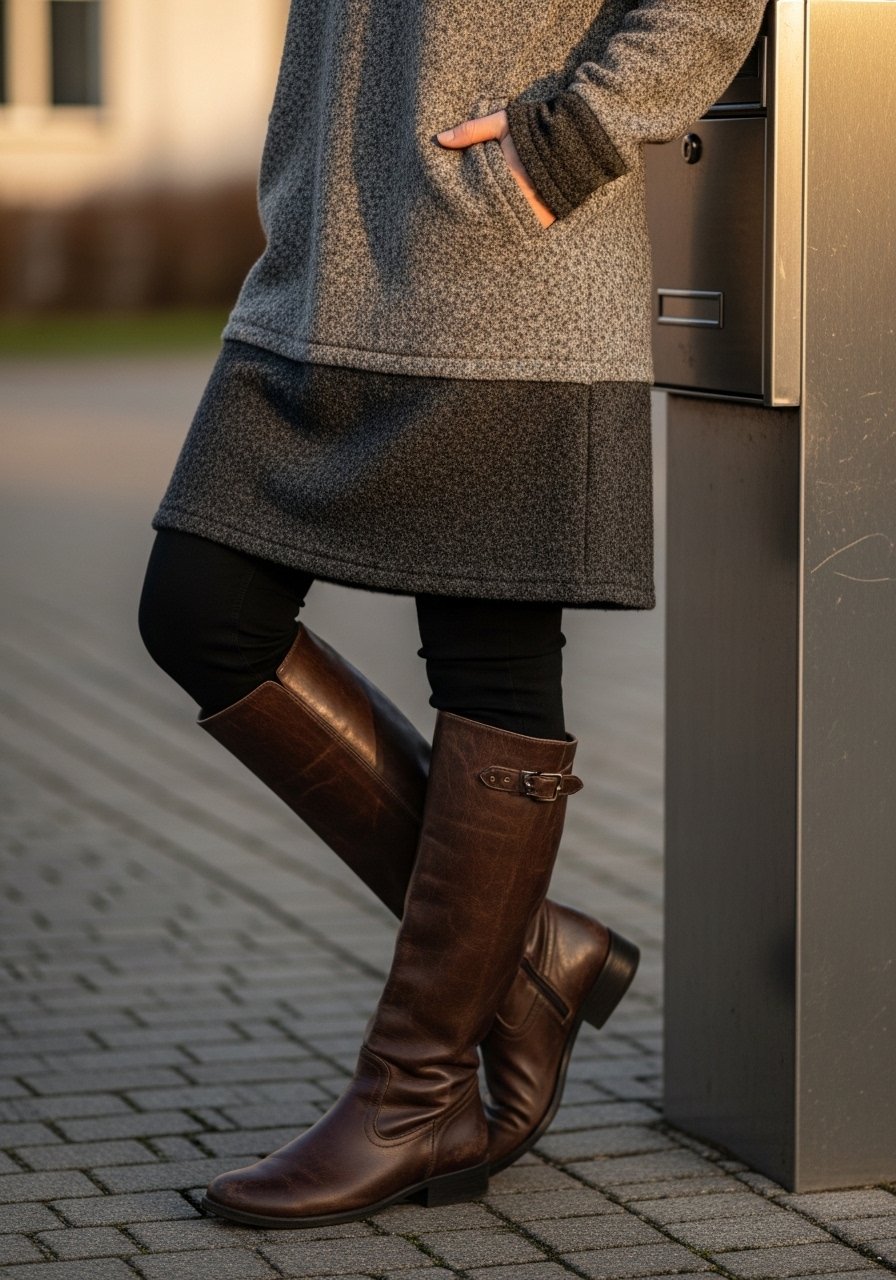
This is my go-to for busy winter days. The tunic gives coverage; leggings keep it practical. Tall boots make it feel medieval without fuss.
What changed: Choosing leggings with a thicker knit stops them from looking like activewear.
Tip: Balance proportions—if the tunic is long, keep the top half simple.
What You’ll Need for This Look
9. Silk Slip Dress with Fur-Trimmed Cape

This is my date-night medieval. The silk slip is simple and feels intimate; the fur-trimmed cape adds vintage drama. I felt dressed up without costume jewelry.
Mistake: Tried real fur once—too heavy and hot. I now pick faux fur for comfort.
Tip: Keep shoes simple; the cape is the focal point.
What You’ll Need for This Look
10. Embroidered Tunic with Wide Leather Belt
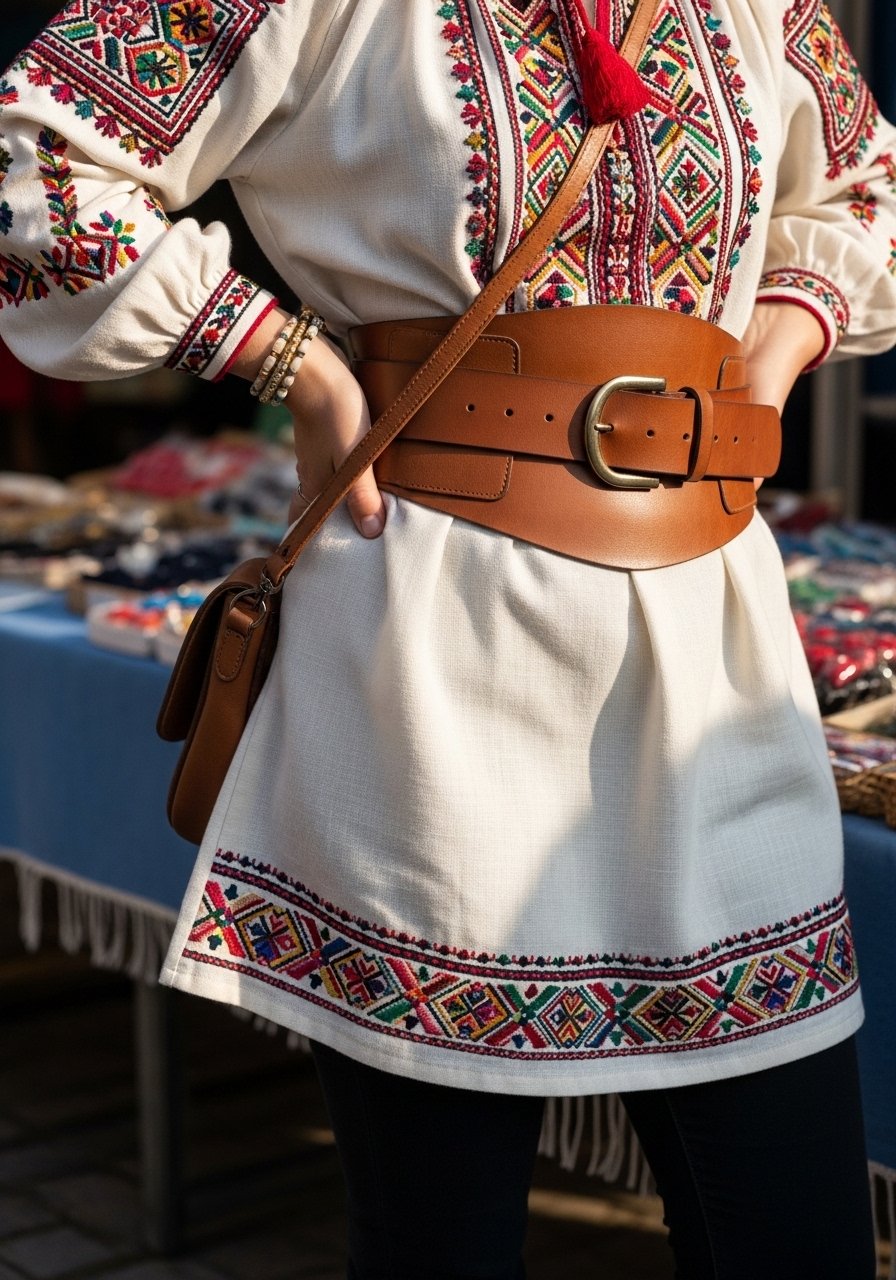
I love the tunic’s detail—embroidered sleeves feel handcrafted. The wide belt anchors the look and provides shape without being fussy.
What changed: Swapping a narrow belt for a wide one stopped the tunic from looking shapeless.
Tip: Choose embroidery colors that pick up other accessories.
What You’ll Need for This Look
- Embroidered cotton tunic (mid-thigh)
- Wide leather waist belt (dark brown)
- Small leather crossbody bag
11. Layered Chemise and Lace-Up Bodice with Flat Shoes
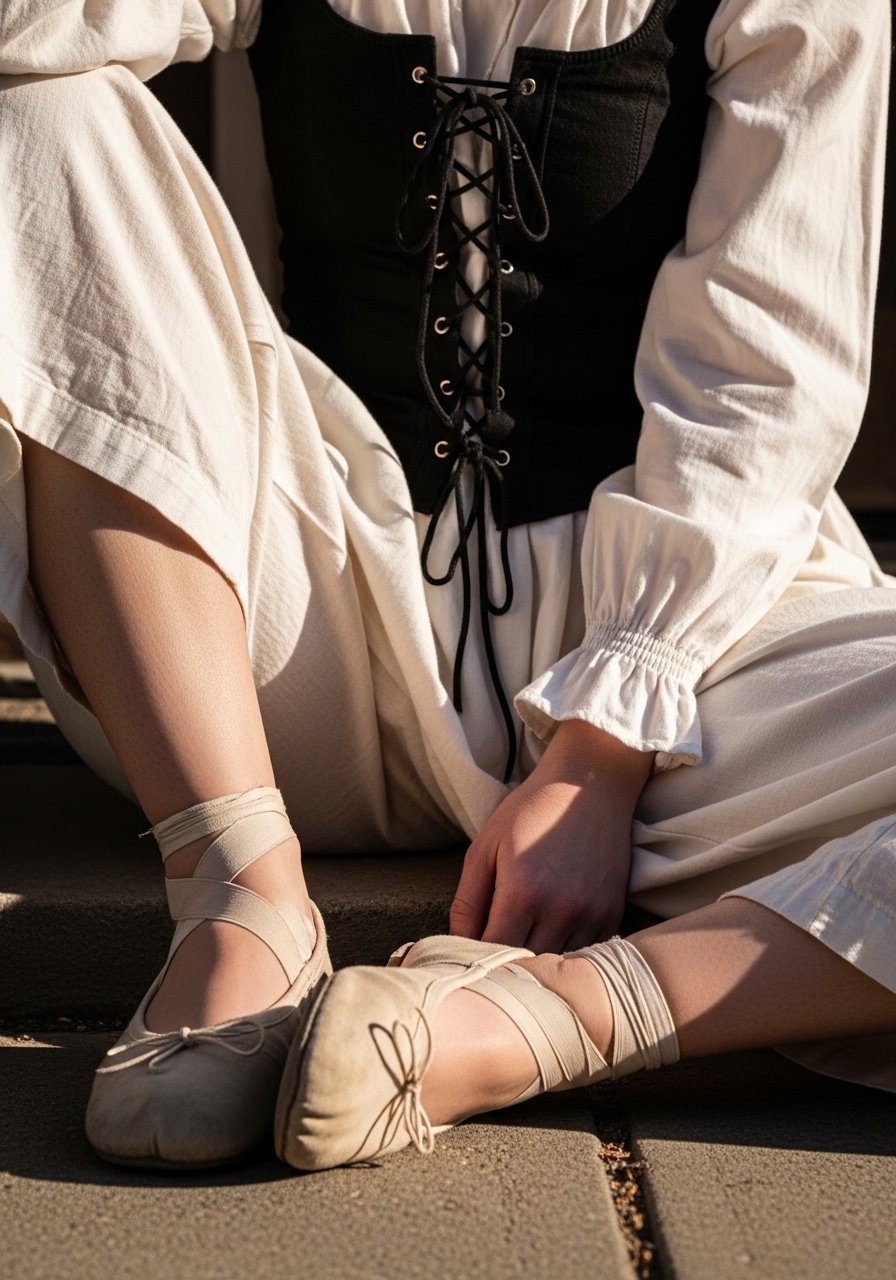
This is a quiet, comfortable routine outfit. The chemise is light; the bodice gives a hint of history. Flats make it practical for errands.
Mistake: First chemise was too sheer—now I choose a slightly heavier weave.
Tip: Keep the bodice snug but not constrictive; you should breathe easily.
What You’ll Need for This Look
12. Faux Chainmail Tunic Over Knit Top and Jeans
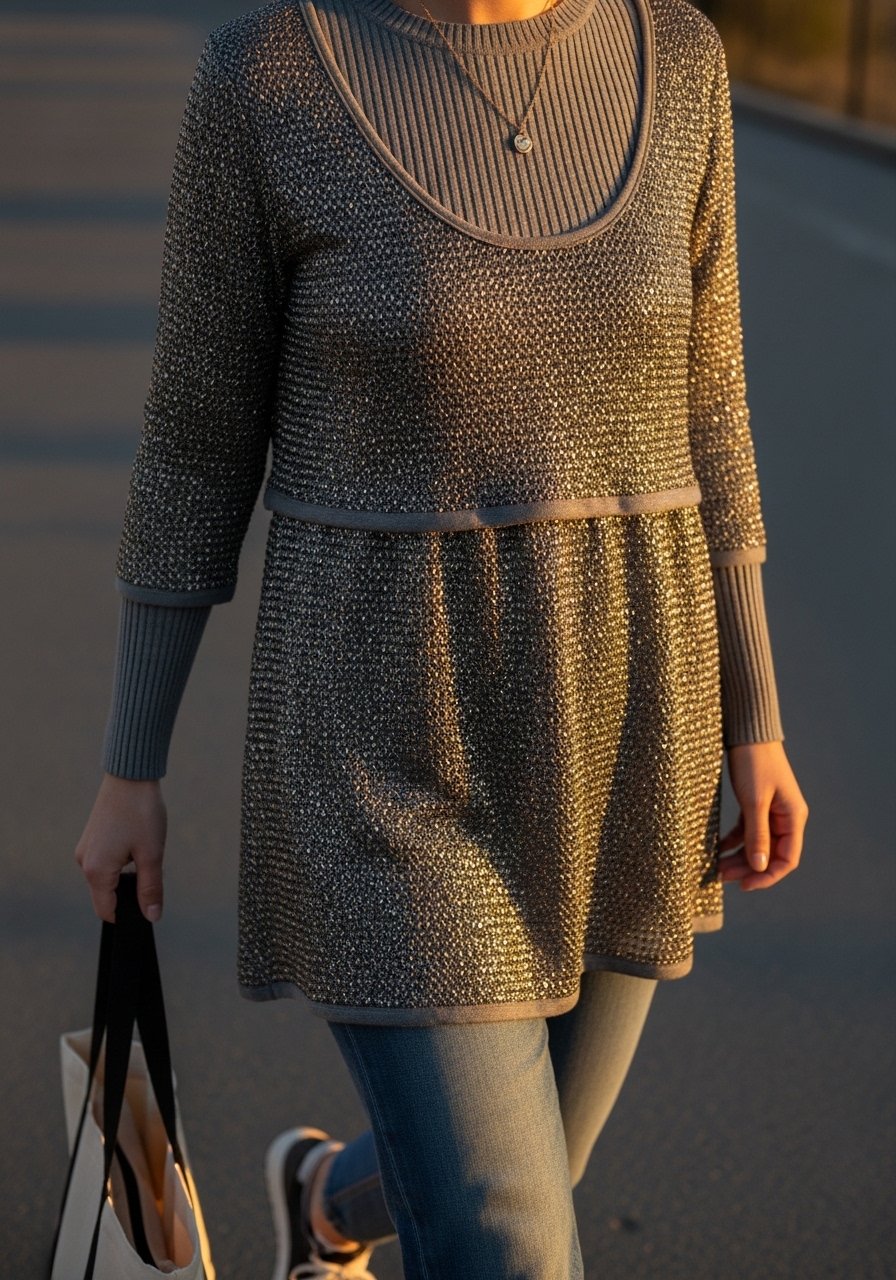
I like subtle nods—this tunic has texture without weight. Over a knit and jeans it reads playful and modern. I wore it to a gallery opening and felt quirky in a good way.
What changed: Choosing a soft faux chainmail versus actual metal kept it wearable.
Tip: Balance with soft fabrics elsewhere to avoid stiffness.
What You’ll Need for This Look
13. Velvet Blazer with Flared Trousers and Brooch

I treat a velvet blazer like a modern doublet. It’s structured and surprisingly easy to wear. Paired with flares, it felt like a casual evening uniform.
Mistake: I once bought a blazer with shiny lining that squeaked—returned it. Now I check lining finish.
Tip: A single brooch changes the whole vibe to more period-adjacent.
What You’ll Need for This Look
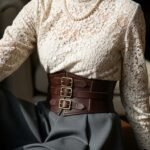
14. Long-Sleeve Lace Top with Leather Skirt
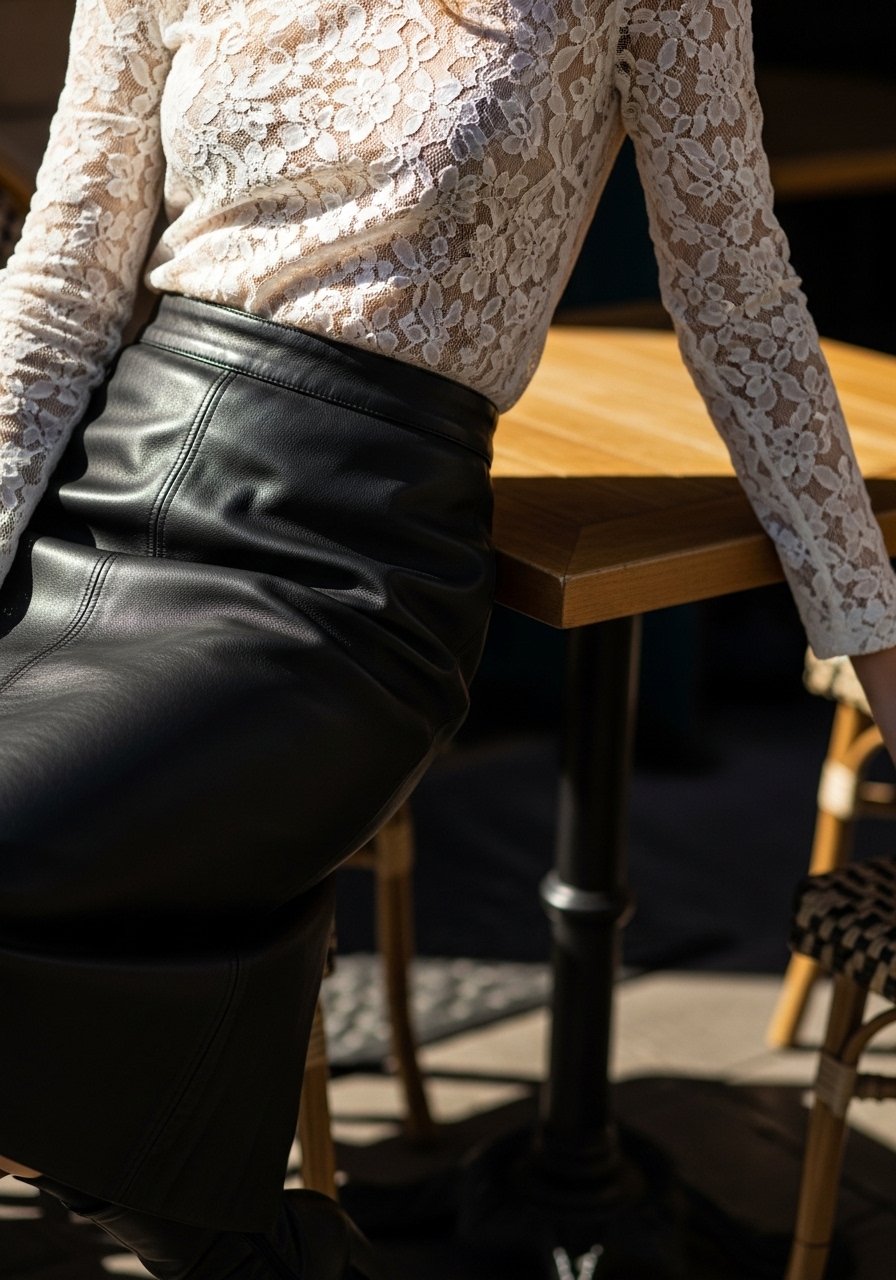
This is my dressier medieval hint. Lace sleeves feel old-world; the leather skirt keeps it modern and street-friendly. I wore it to a dinner and felt composed.
What changed: I swapped an oversized skirt for a fitted one to avoid altar-robe vibes.
Tip: Keep makeup simple—let textures do the talking.
What You’ll Need for This Look
15. Hooded Linen Dress with Braided Belt

I reach for this on relaxed weekends. The hood is practical for surprise drizzle; the braided belt adds craftiness. It’s one of those outfits that’s calming to put on.
Mistake: The first hood I bought was too small—now I test under motion.
Tip: Keep footwear light—woven sandals or flats complement the soft linen.
What You’ll Need for This Look
16. Split-Sleeve Gown with Subtle Slit and Flats
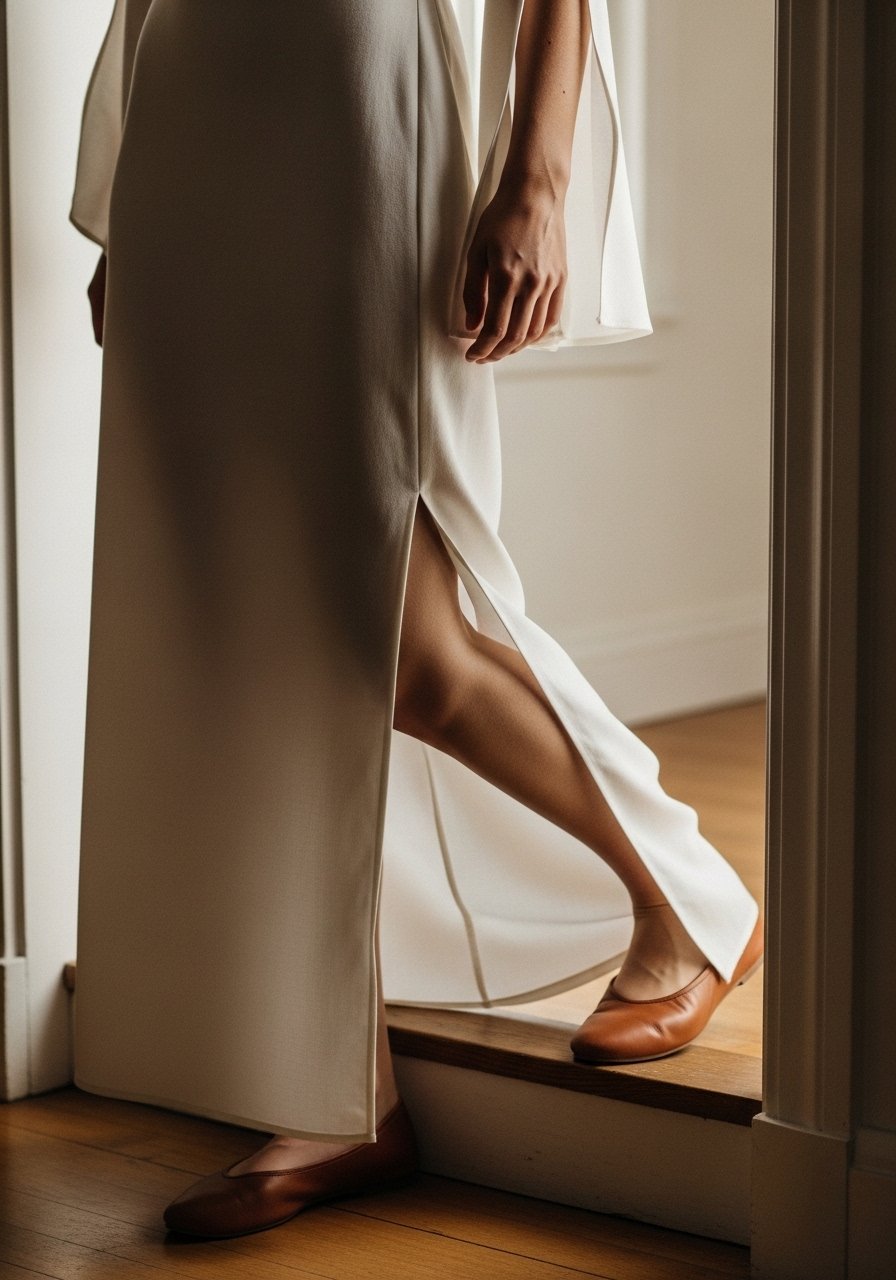
This is an easy party look that’s still comfortable. The slit keeps walking natural; split sleeves catch light while staying practical. I danced easily in it.
What changed: I once had a slit too high—keep it modest for comfort.
Tip: Flats or low heels make it wearable for longer evenings.
What You’ll Need for This Look
17. Short Cloak over Jeans and Simple Tee
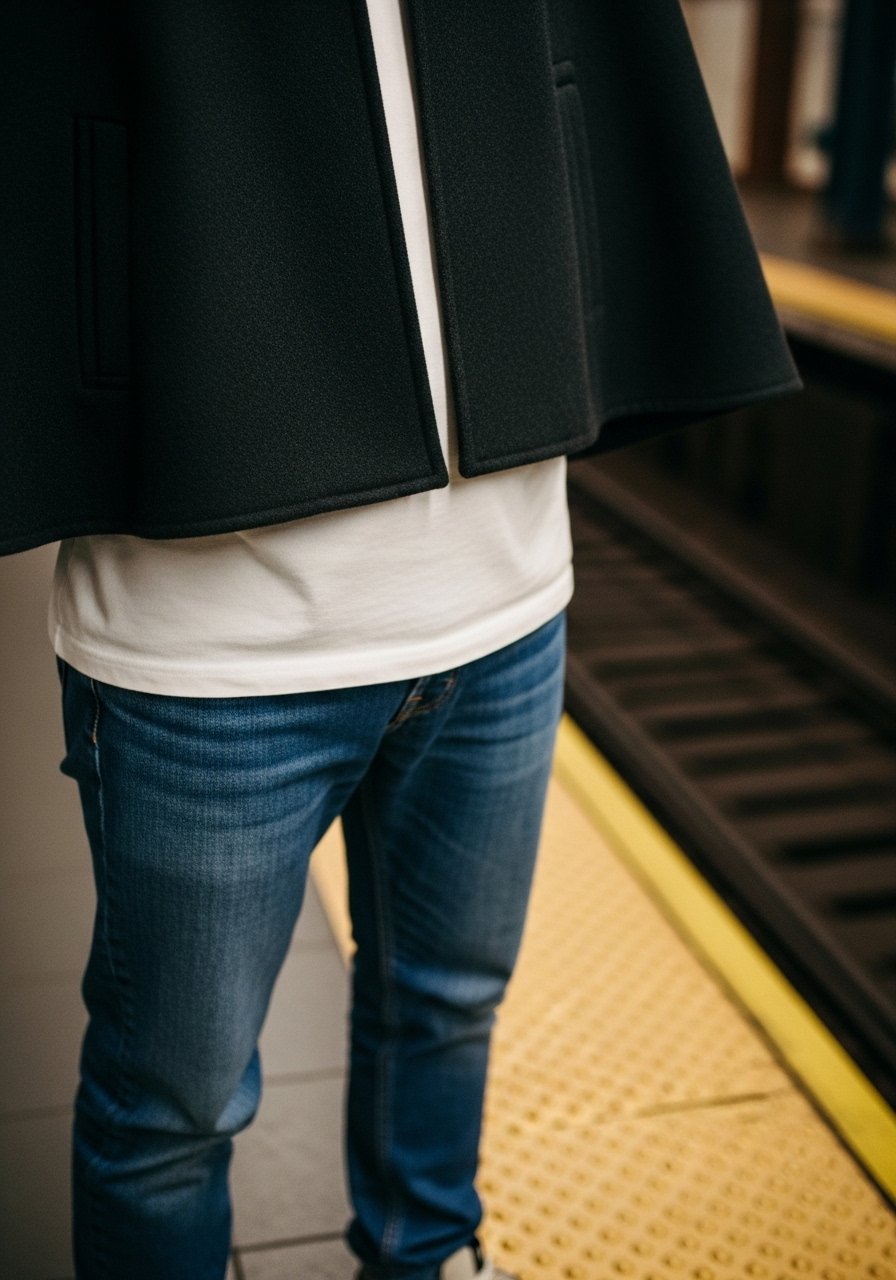
This is my city take—cloak for flair, jeans for reality. People ask where I got the cloak; it reads special without feeling overdone.
What changed: I chose a cropped cloak so it wouldn’t swallow my silhouette.
Tip: Keep the tee fitted so layers don’t bulk up.
What You’ll Need for This Look
18. High-Neck Ruffled Blouse with A-Line Skirt
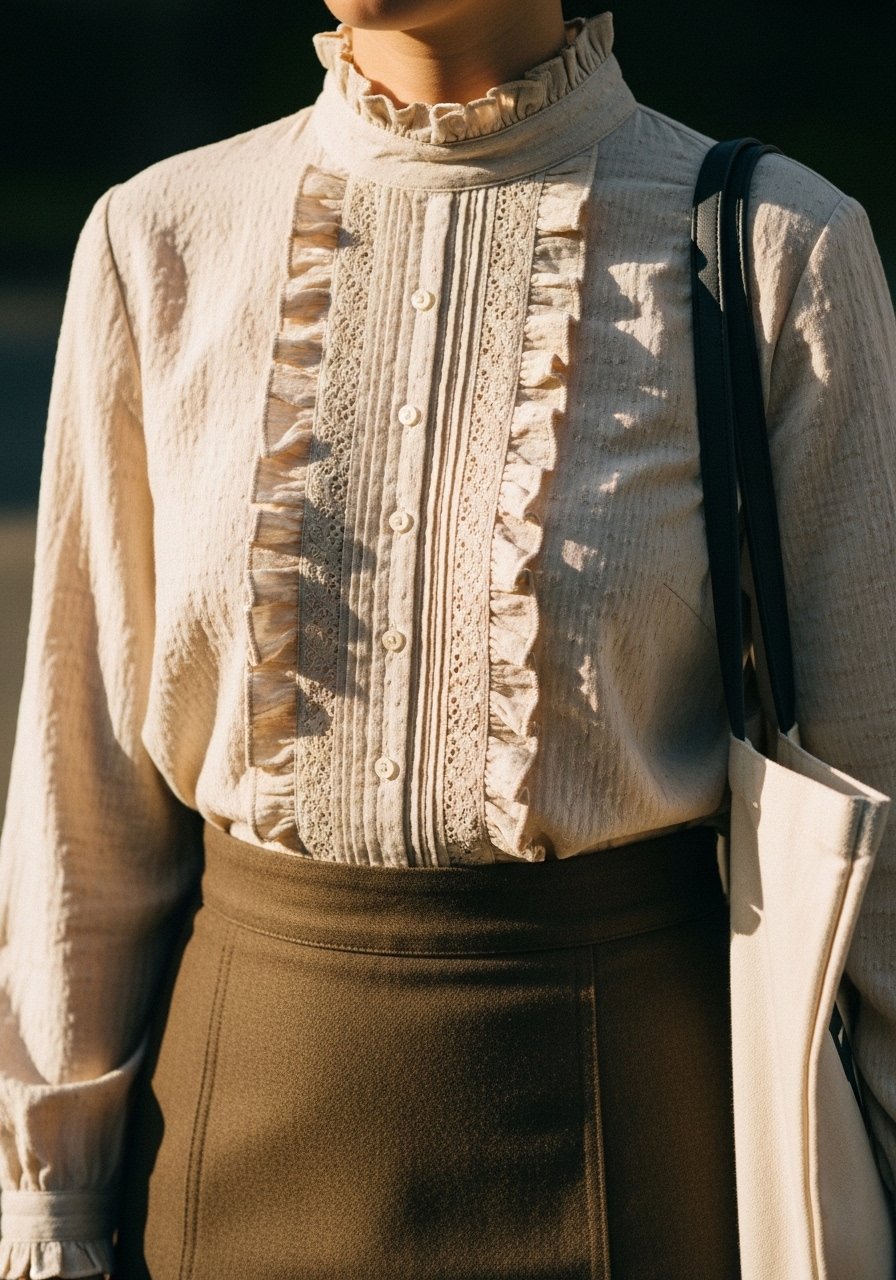
This feels like intentional vintage: ruffles read historic, the A-line skirt keeps it wearable. I wore it to a work meeting and felt quietly confident.
What changed: I once picked a blouse with large ruffles that overwhelmed my face; now I favor small, close ruffles.
Tip: Tuck the blouse to mark the waist and avoid bulk.
What You’ll Need for This Look
19. Brocade Waistcoat with Slim Black Jeans
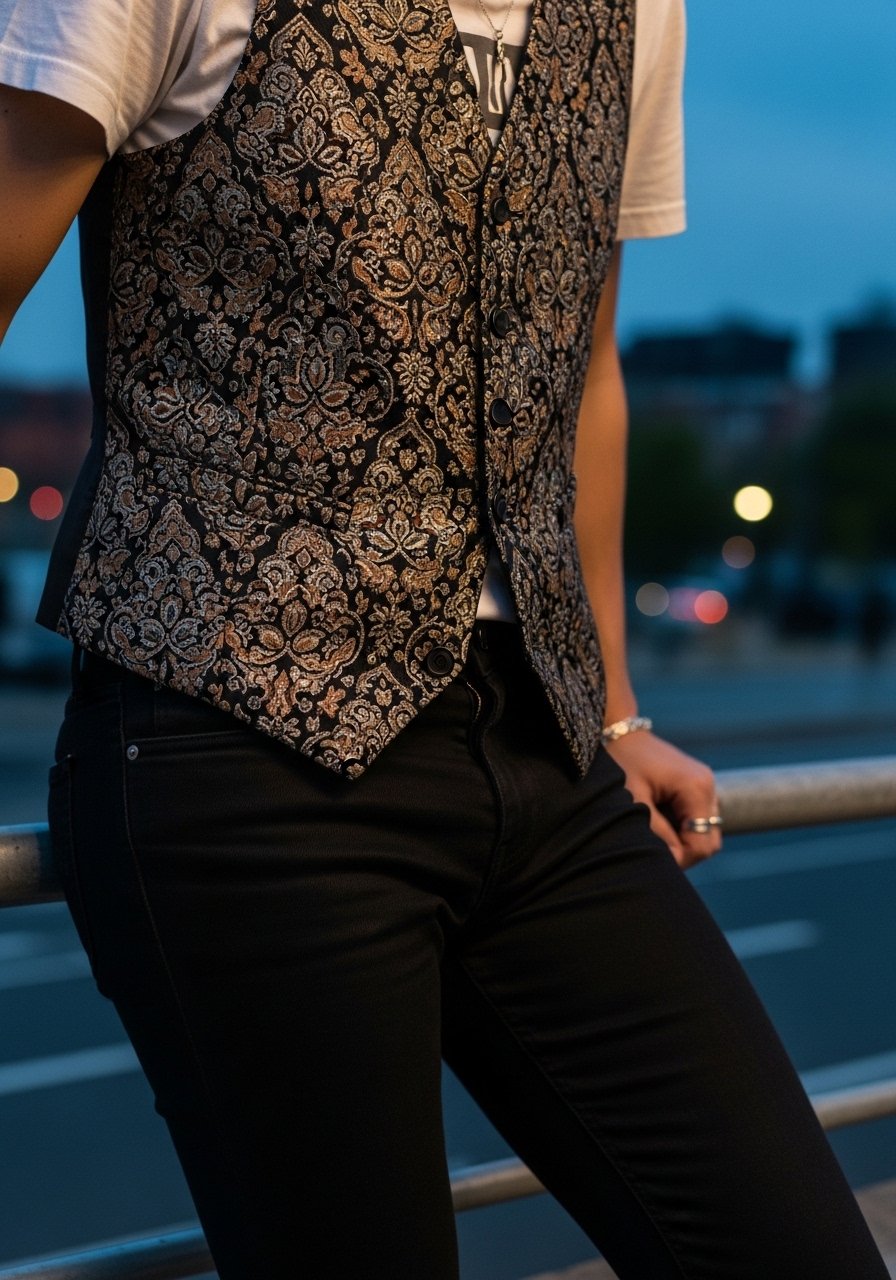
I wear a brocade waistcoat when I want texture without a full dress. It’s an accent piece that makes jeans feel deliberate.
Mistake: I once layered it over a patterned shirt—too busy. Now I stick to solids underneath.
Tip: Let the waistcoat be the focal point; keep other pieces subdued.
What You’ll Need for This Look
20. Grommet-Laced Top with Cargo Skirt
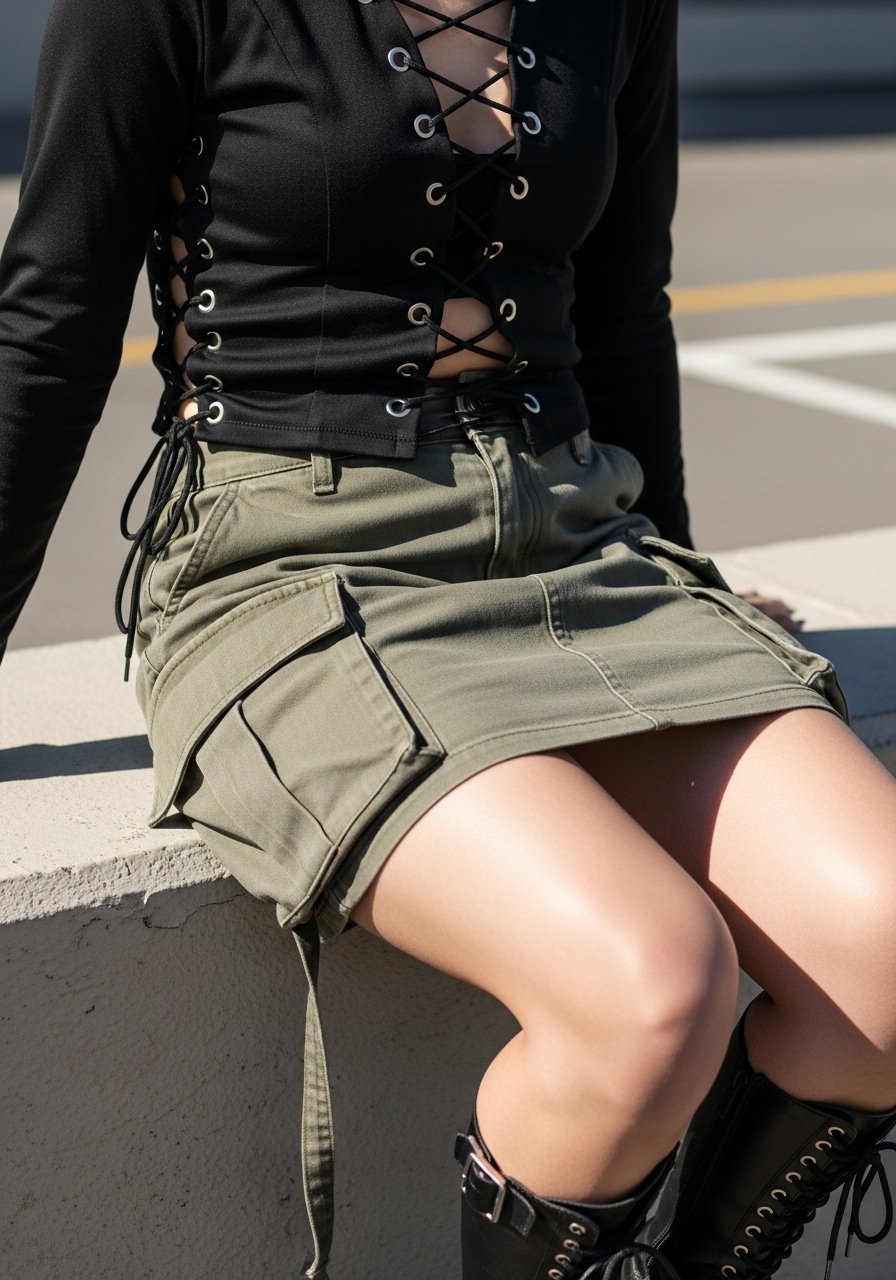
This is my practical medieval riff. The lacing adds period detail; the cargo skirt keeps it useful. I carried groceries and felt like I’d dressed with purpose.
What changed: I once chose heavy metal grommets that snagged—now I look for smooth finishes.
Tip: Use low-profile boots to keep the look everyday-friendly.
What You’ll Need for This Look
21. Drawstring Waist Dress with Simple Headband
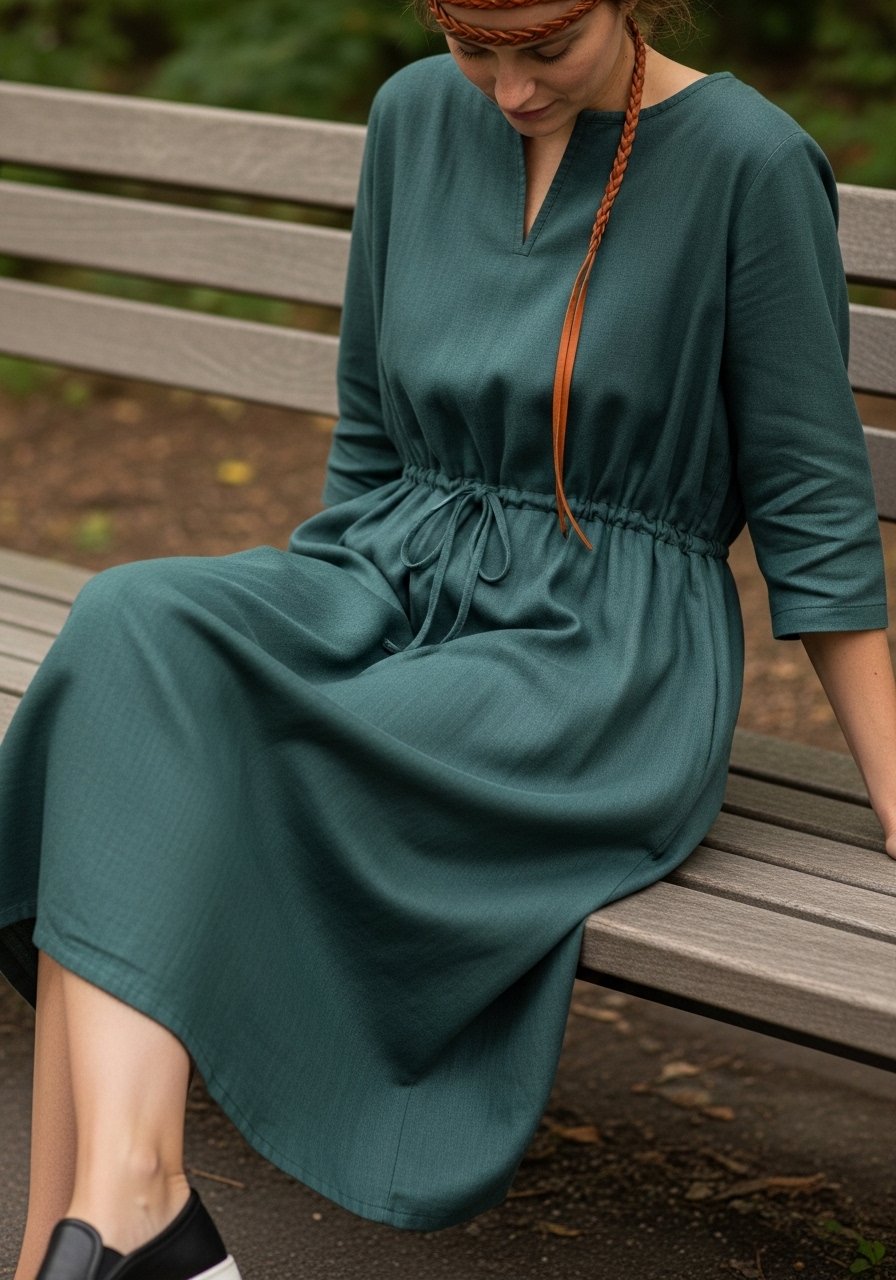
I pull this dress on when I want comfort and shape. The drawstring lets you choose how fitted you feel that day. The headband keeps hair off my face and reads medieval without ceremony.
What changed: I used to tie the drawstring too tightly—now I keep it relaxed.
Tip: A thin leather headband reads authentic and is low-maintenance.
What You’ll Need for This Look
22. Peplum Doublet with Cropped Trousers
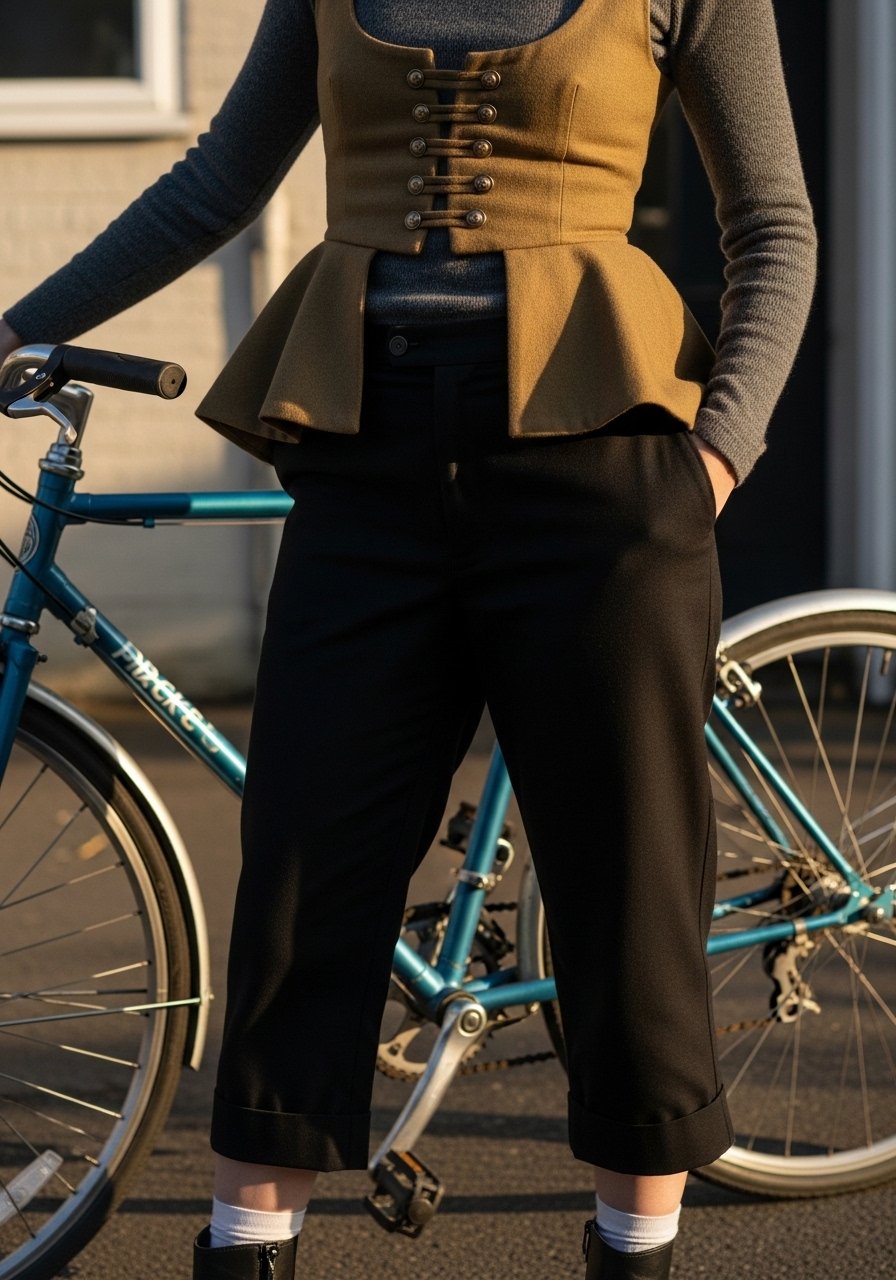
This is my structured look for calendar days—sharp but not stiff. The peplum gives waist definition; cropped trousers keep proportions tidy.
Mistake: I once picked a peplum that flared too wide; it read theatrical. Now I choose subtle peplums.
Tip: Pair with ankle boots to keep lines clean.
What You’ll Need for This Look
23. Minimalist Surcoat over Knit Dress
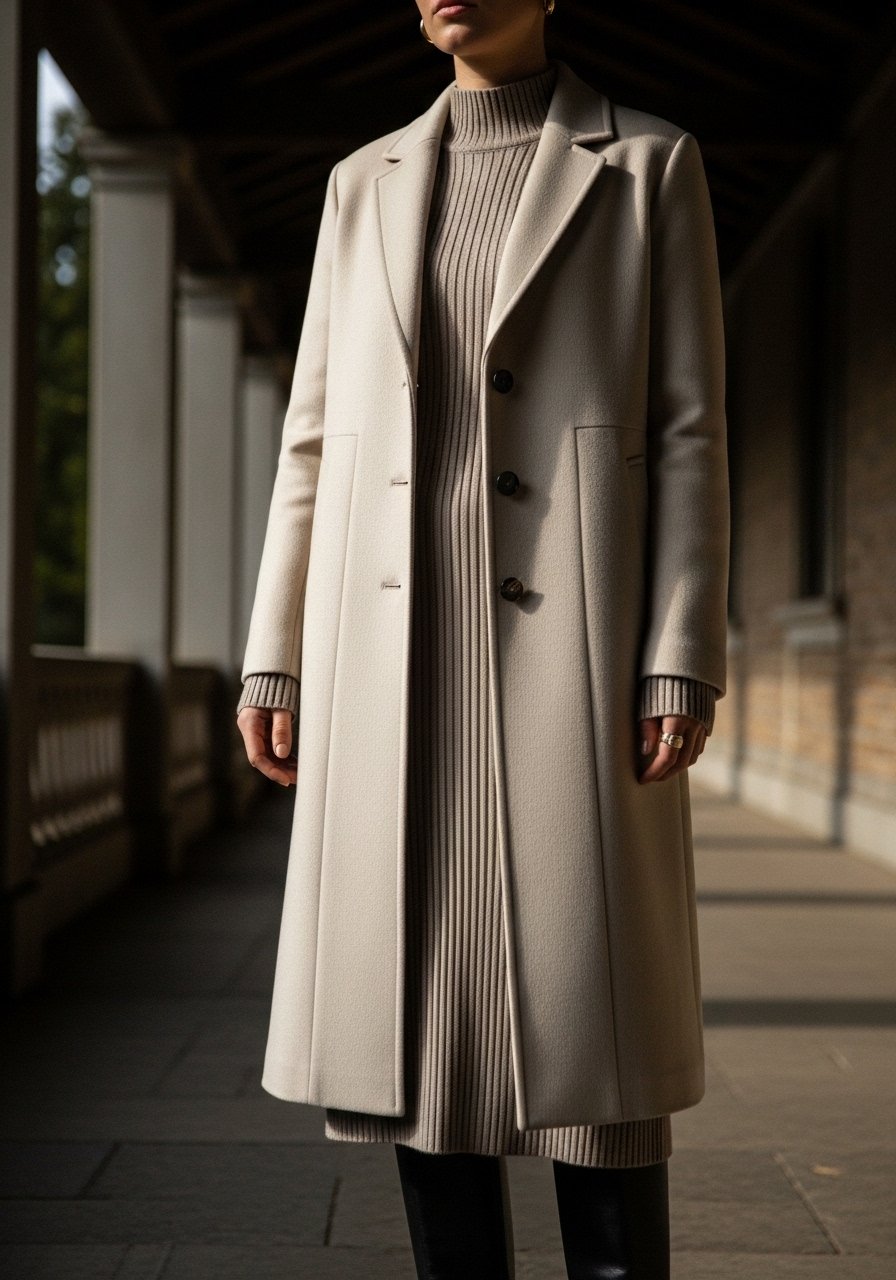
This feels pared-back and wearable. The surcoat adds silhouette without bulk. Paired with a knit dress it felt calm and modern.
What changed: I tried a patterned surcoat and it clashed. I now prefer solids for this combo.
Tip: Keep the surcoat slightly shorter than the dress to show the hem.
What You’ll Need for This Look
24. Draped Wrap Dress with Simple Rope Belt
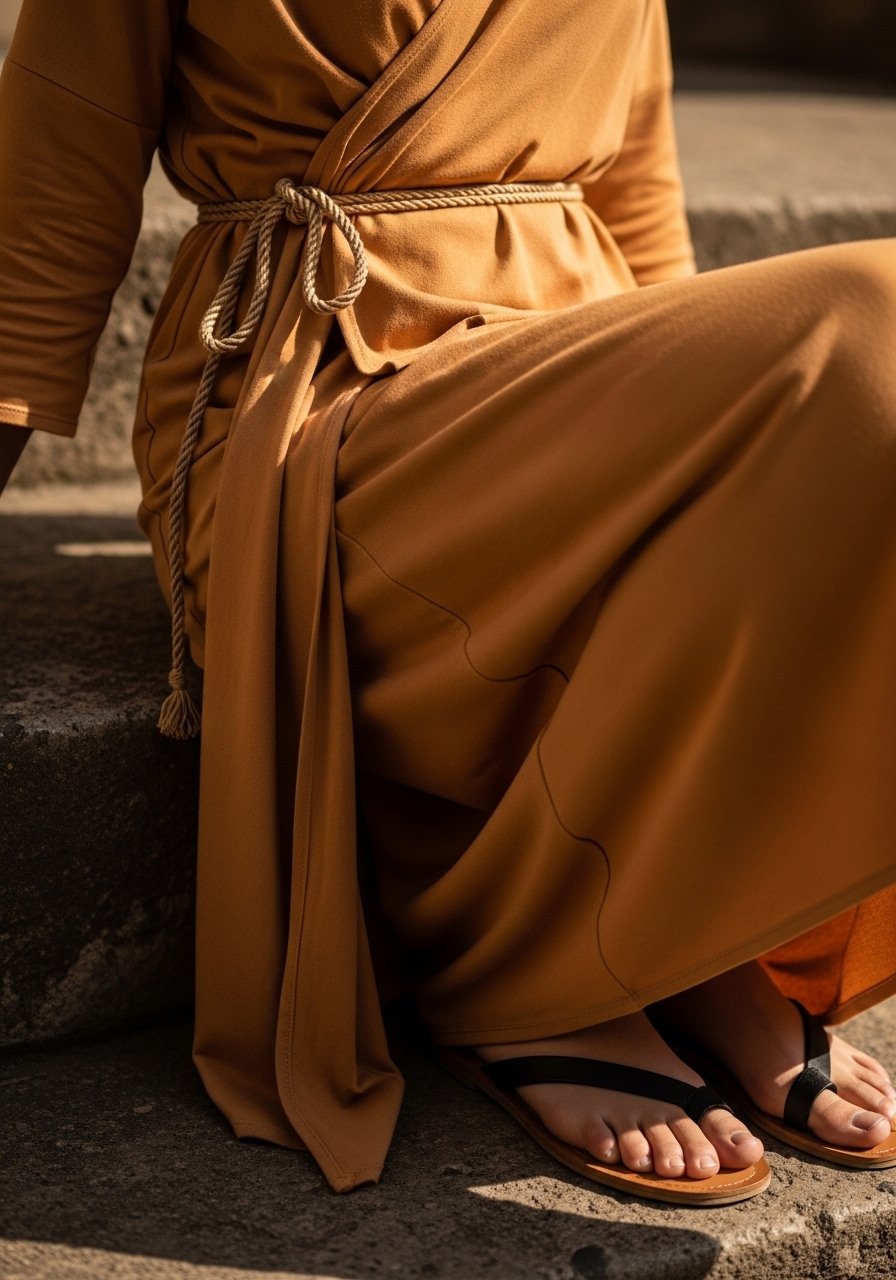
I reach for this when I want something that moves with me. The drape flatters different shapes; the rope belt keeps it casually medieval.
Mistake: I once used a bulky belt that destroyed the drape. Keep belts delicate.
Tip: Use a soft rope or braided leather for a gentle waist mark.
What You’ll Need for This Look
25. Embellished Headband with Simple White Dress
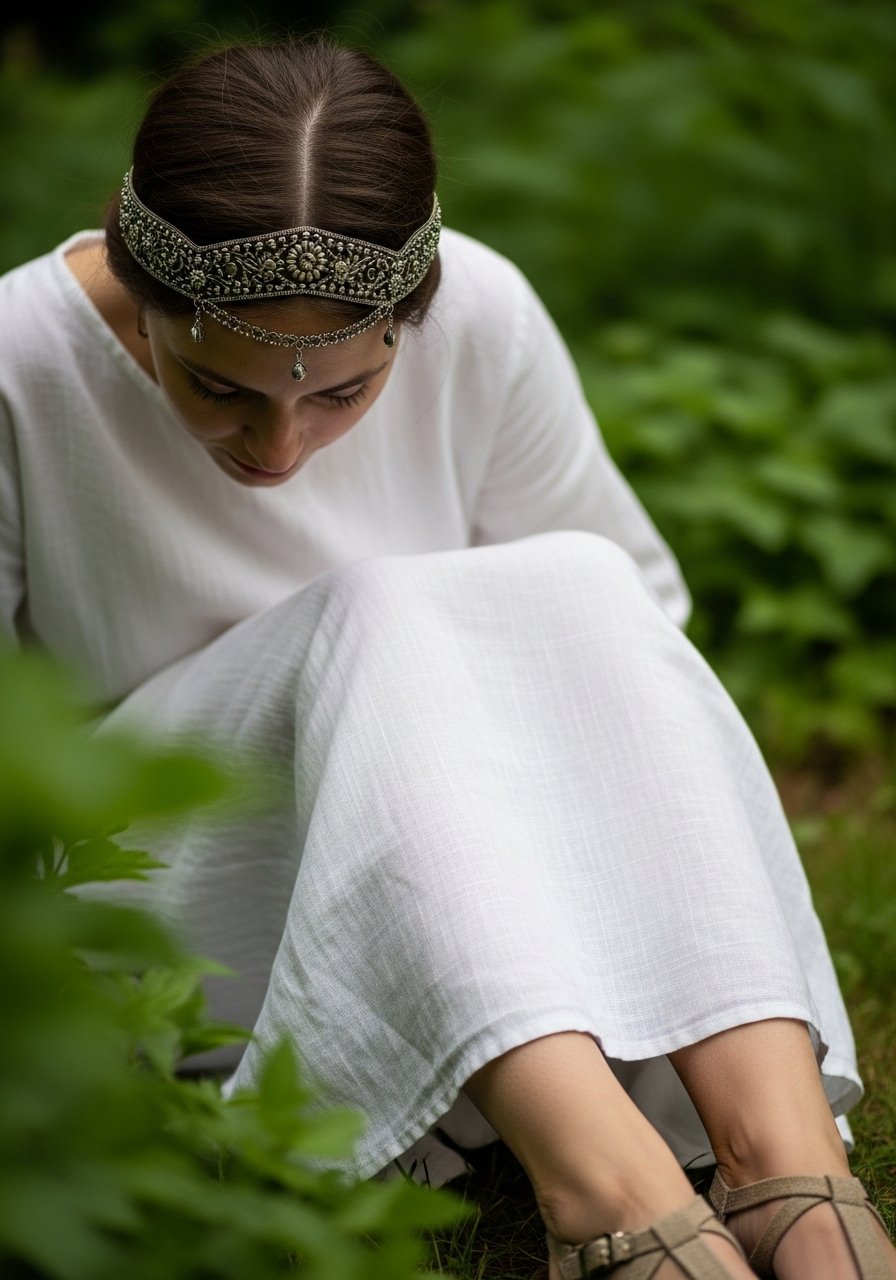
Sometimes accessories sell the story. An embellished headband makes a plain dress feel intentional and slightly historic. I wore this to a small gathering and felt comfortable and special.
What changed: Cheap metal turned my scalp green once—now I choose plated finishes.
Tip: Keep the dress minimal so the headband reads like a decision, not a costume.
What You’ll Need for This Look
26. Layered Collared Chemise and Fitted Vest
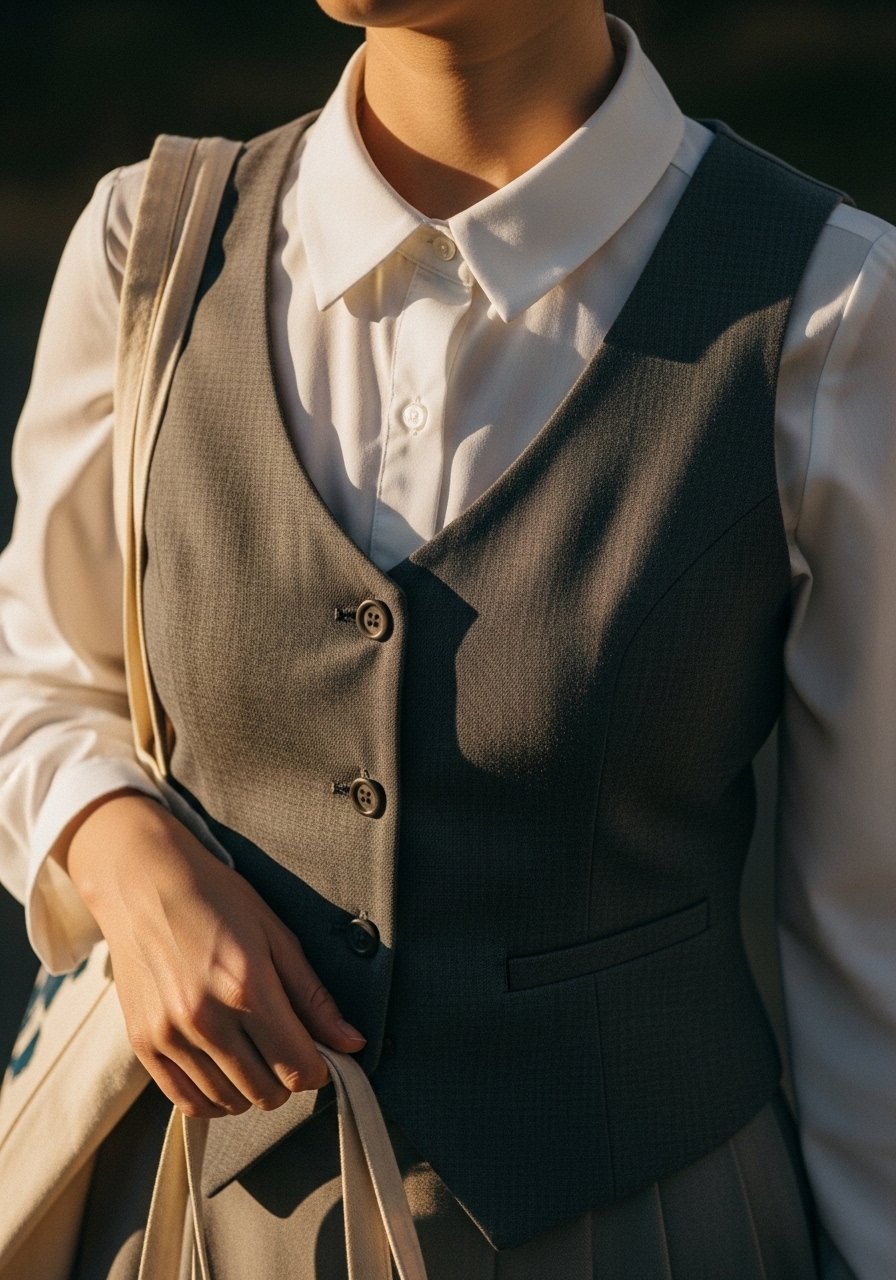
I like a collared chemise for tidy necklines; add a fitted vest and you get a modern take on medieval tailoring. It’s office-appropriate but with character.
What changed: I used to button the vest fully; leaving the top button open softens the face.
Tip: Keep the collar crisp—iron lightly for polish.
What You’ll Need for This Look
27. Simple Linen Shift with Leather Cuff and Tote
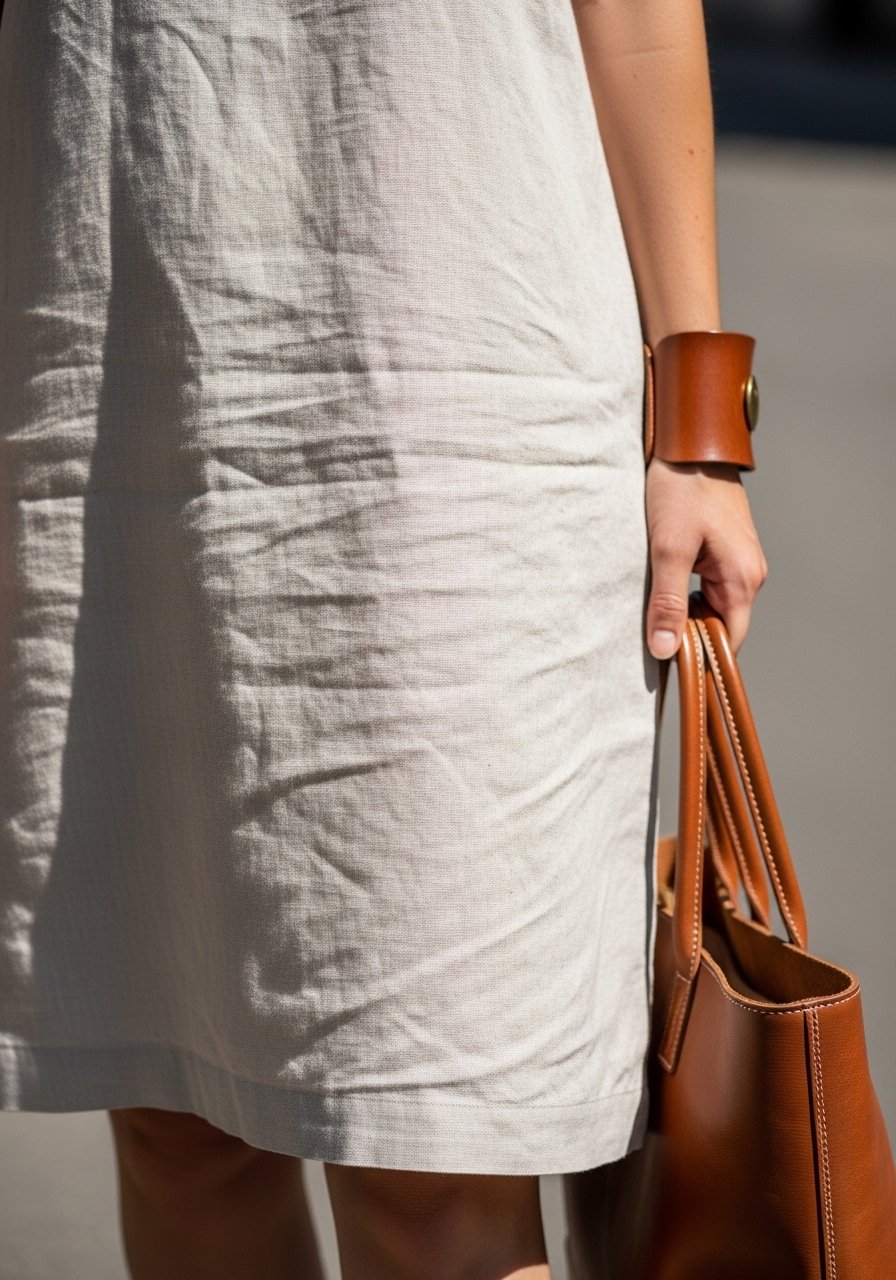
This is my everyday medieval shorthand. The shift is comfortable; the leather cuff gives a crafted edge. I wear it when I want to keep things simple and tactile.
Mistake: Chose a linen too transparent once—now I check lining or wear a slip.
Tip: A good tote balances the relaxed silhouette and carries everything.
What You’ll Need for This Look
Final Thoughts
I didn’t set out to build a medieval wardrobe. I collected pieces that felt right and practical.
Try one look at a time. Keep fabrics you can move in and accessories that don’t scream costume.
Wear what makes you feel steady and comfortable—those choices last.